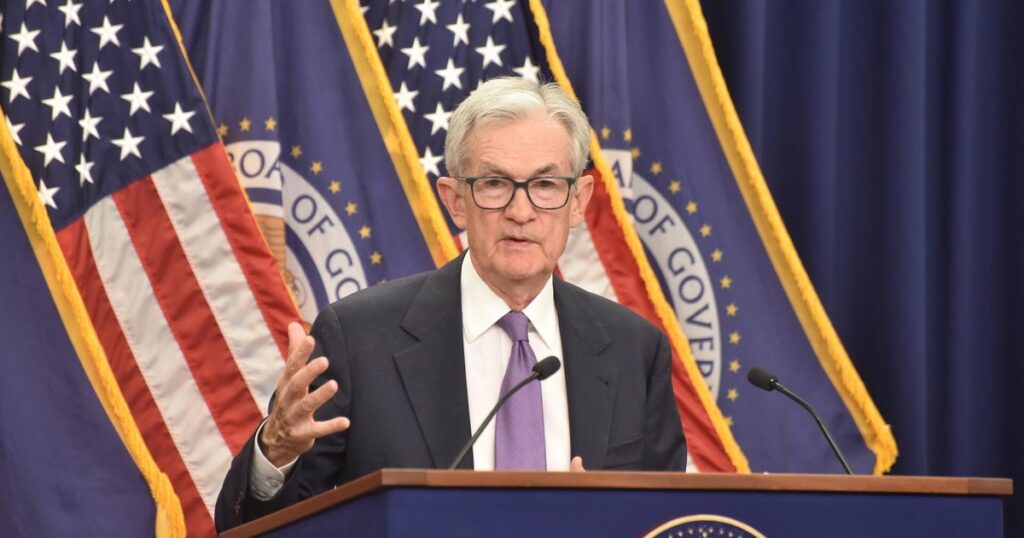
A federal judge dismissed grand jury subpoenas targeting Federal Reserve Chair Jerome Powell, ruling they were intended to pressure him rather than investigate legitimate criminal conduct. The investigation, led by U.S. Attorney Jeanine Pirro, focused on Powell’s testimony about a costly Federal Reserve renovation project but was criticized as politically motivated, especially given President Trump’s public attacks on Powell for resisting interest rate cuts. The ruling blocks the subpoenas, prompting plans for an appeal from the Justice Department, while some lawmakers welcomed the decision as a check on a weak investigation.
Posts tagged as “Office for the District of Columbia”

The United States Supreme Court is set to hear a pivotal case regarding the establishment of St. Isidore of Seville Catholic Virtual School in Oklahoma, which could become the nation's first religious charter school. This case has sparked debate over the potential impact on laws in 45 states, the District of Columbia, and the federal charter school program, all of which currently require charter schools to be nonsectarian. A ruling in favor of the school could lead to public funds being directed to religious institutions, challenging the separation of church and state and potentially setting a precedent for the future of public funding for religious education nationwide.
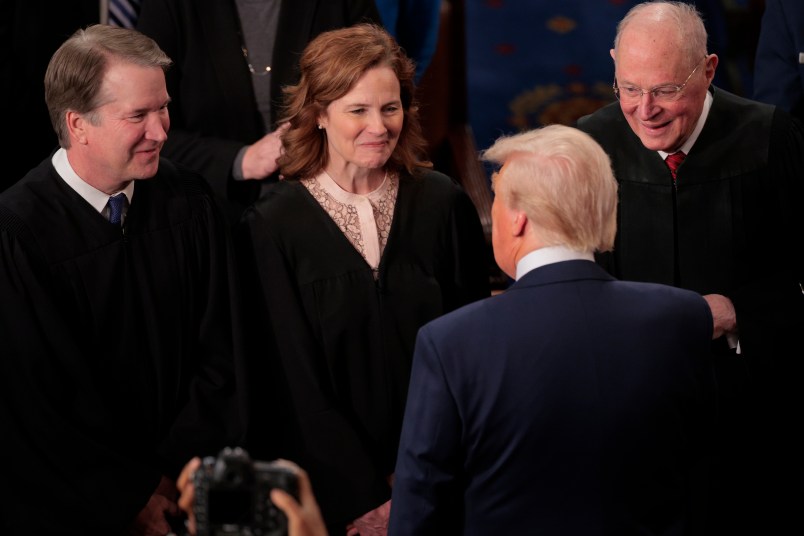
The United States Supreme Court has been asked by the Justice Department to intervene in lower court rulings that ordered the reinstatement of two federal board members dismissed by former President Trump, arguing that these decisions undermine presidential authority and separation of powers. Solicitor General D. John Sauer contends that the protections against at-will firing do not apply to the members of the Merit Systems Protection Board and the National Labor Relations Board, seeking emergency relief from the Supreme Court. The Justice Department's appeal, which includes a request for a stay and for the Supreme Court to directly take up the case, highlights the urgency and potential implications for presidential power over independent federal agencies.

The Supreme Court ruled 5-4 in favor of the Trump administration's use of the Alien Enemies Act of 1798 to expedite the deportation of individuals alleged to be members of the Tren de Aragua gang, provided they are afforded due process. This decision overturns a previous federal judge's order that had halted these deportations due to concerns about the lack of legal proceedings. The Supreme Court emphasized the importance of jurisdiction, noting that the detainees are held in Texas, and redirected the legal proceedings to a more appropriate venue, highlighting the ongoing debate over immigration policy and the application of historical statutes.
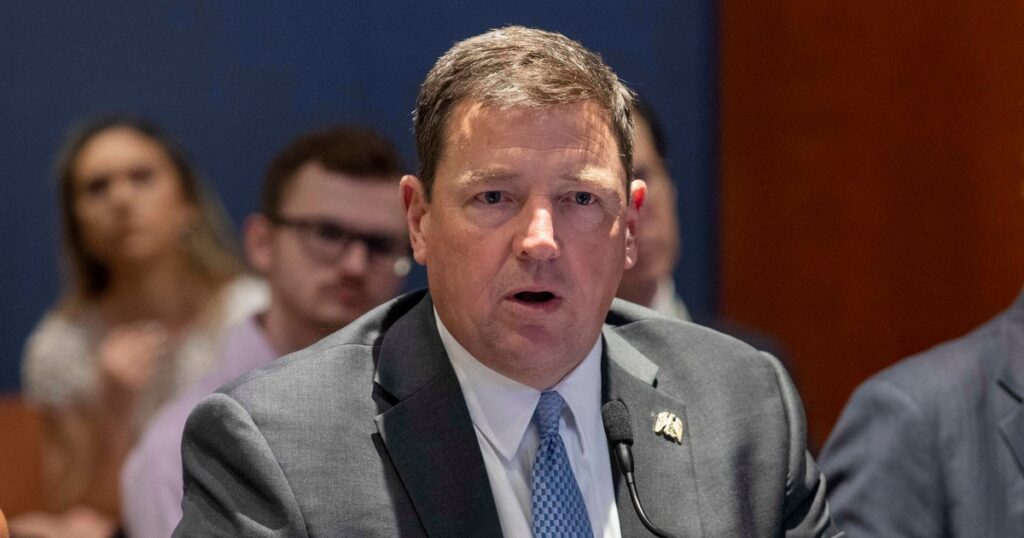
President Donald Trump's nomination of Ed Martin as the U.S. attorney for the District of Columbia has generated significant controversy due to Martin's past advocacy for the "Stop the Steal" movement and his representation of defendants from the U.S. Capitol riot. Senator Adam Schiff has announced plans to place a hold on Martin's nomination, citing concerns over Martin's controversial actions and statements, which pose a major obstacle to his confirmation. Martin's tenure as interim U.S. attorney has been criticized for politically charged actions, including demoting federal prosecutors involved in January 6th cases, raising concerns about the impartiality and integrity of the prosecutorial process.
U.S. District Judge James Boasberg has temporarily blocked the Trump administration's attempt to deport migrants using a rarely used wartime law, leading to significant backlash from President Trump and his supporters, who have called for his impeachment. Despite the criticism, Boasberg, a bipartisan appointee with a long-standing career, is seen as asserting judicial independence amidst political tensions over immigration enforcement. The situation has escalated with personal attacks on Boasberg and his family, highlighting the contentious political climate and ongoing tensions between the Trump administration and the federal judiciary.
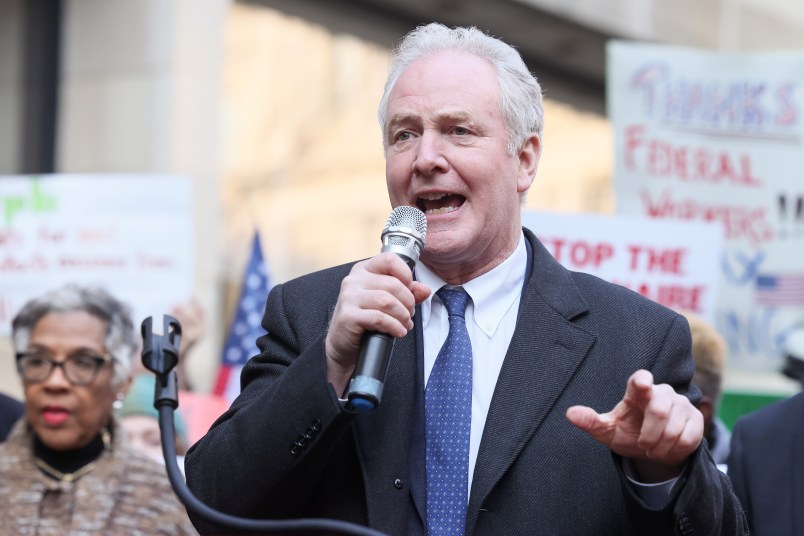
The United States Senate unanimously passed a bill to address a provision in recent government funding legislation that threatened to cut Washington, D.C.'s budget by approximately $1 billion. This bipartisan bill, introduced by Senators Susan Collins and Chris Van Hollen, allows the District to maintain its current level of local fund spending, countering the House Republican continuing resolution that had initially included the budget cuts. The swift passage of the bill highlights the urgency and bipartisan support to protect D.C.'s financial interests, ensuring the well-being of its residents amid ongoing budget negotiations.
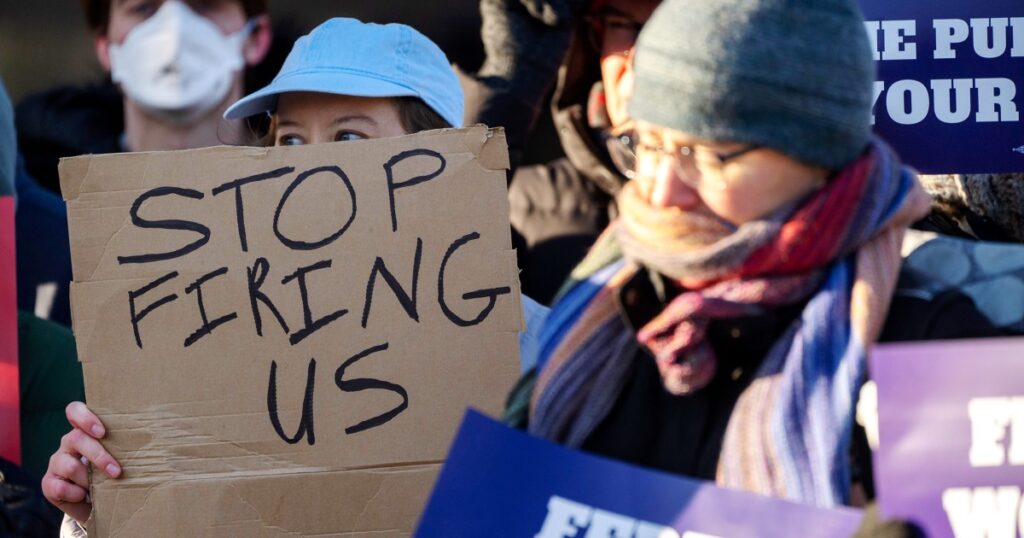
A federal judge in Maryland has issued a temporary restraining order to halt the mass terminations of probationary federal workers, mandating their reinstatement, following a lawsuit by 19 states and the District of Columbia. The ruling criticized the lack of advance notice and individualized assessments, arguing that the terminations violated federal regulations and lacked procedural safeguards. This legal intervention highlights the ongoing scrutiny of employment practices within federal agencies and may set a precedent for balancing administrative discretion with employee rights.