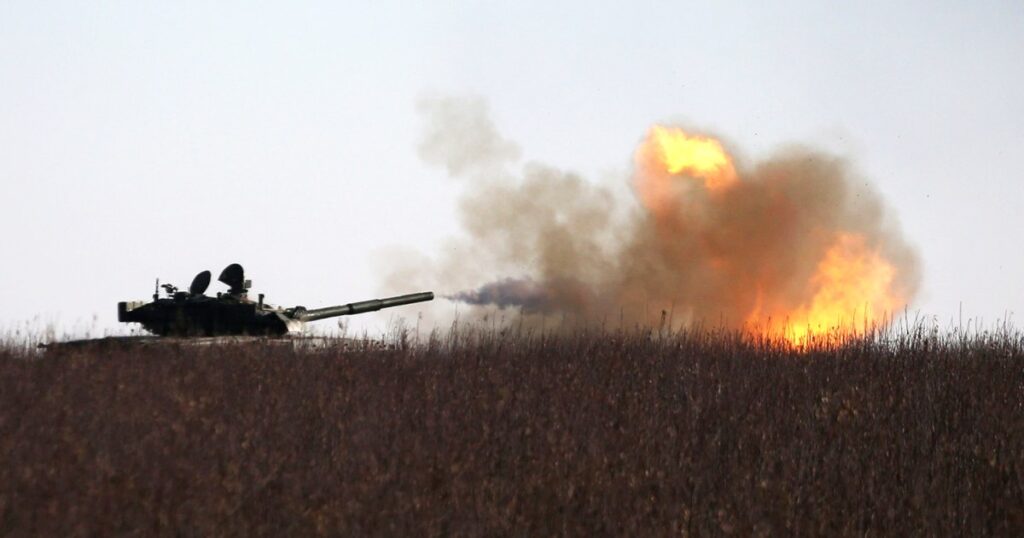
The United Nations General Assembly passed a resolution calling for an end to the conflict in Ukraine, which includes Russia ceasing attacks on critical infrastructure, the end of Western sanctions, and measures to ensure the safety of nuclear facilities. China has proposed a 12-point plan for a cease-fire and peace talks, but has refused to criticize Russia's invasion of Ukraine. The resolution is a step in the right direction, but it remains to be seen whether it will be enough to bring an end to the conflict.
Posts tagged as “China”
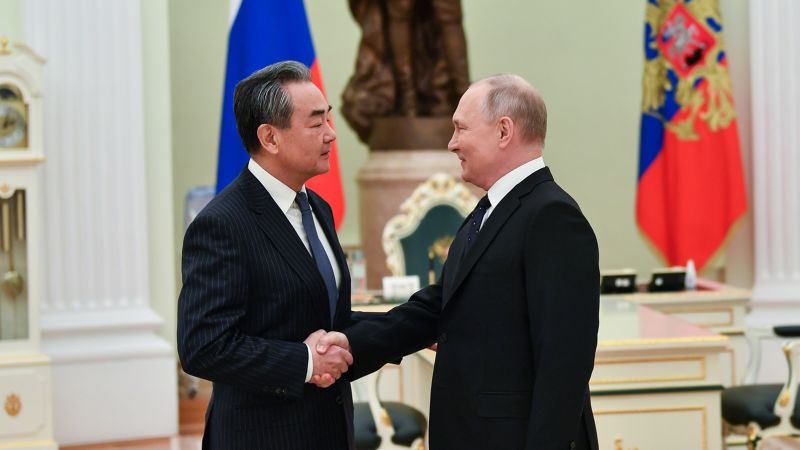
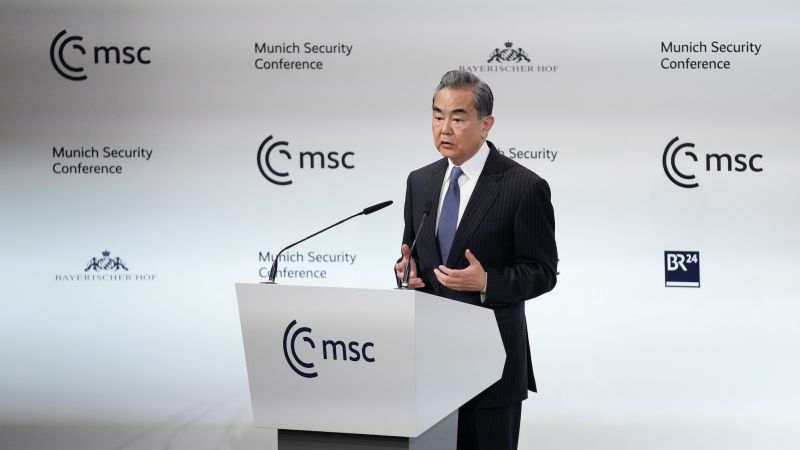
China has released a 12-point document calling for a cease-fire between Ukraine and Russia and the opening of peace talks, while also urging the end of Western sanctions imposed on Russia and measures to ensure nuclear facilities. The proposal also calls for the establishment of humanitarian corridors and steps to ensure the export of grain, while stressing its opposition to the use of nuclear weapons. China's proposal could help to de-escalate the situation and bring the two sides back to the negotiating table, but its success remains to be seen.
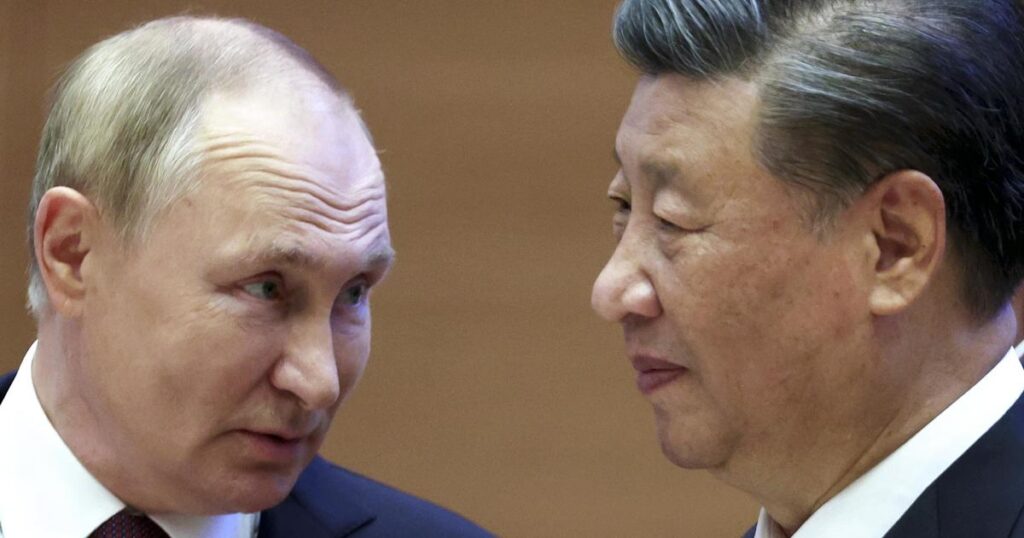
Russia is continuing to strengthen its nuclear forces, with President Vladimir Putin announcing the mass production of air-based hypersonic Kinzhal systems and the mass supplies of sea-based Zircon hypersonic missiles. Chinese President Xi Jinping is expected to visit Moscow soon, potentially to strengthen ties between the two countries. The implications of the visit are still unknown, but it is clear that the two countries are looking to increase their cooperation in the face of heightened tensions in the region.
Chinese Foreign Minister Wang Yi recently visited Moscow, where he met with Russian President Vladimir Putin. Putin expressed enthusiasm for a potential visit from Chinese President Xi Jinping, and the two discussed deepening their strategic partnership. The visit comes at a time of increased diplomatic activity in Europe, and is part of the growing relationship between Russia and China, which has included joint projects such as the construction of a high-speed railway.
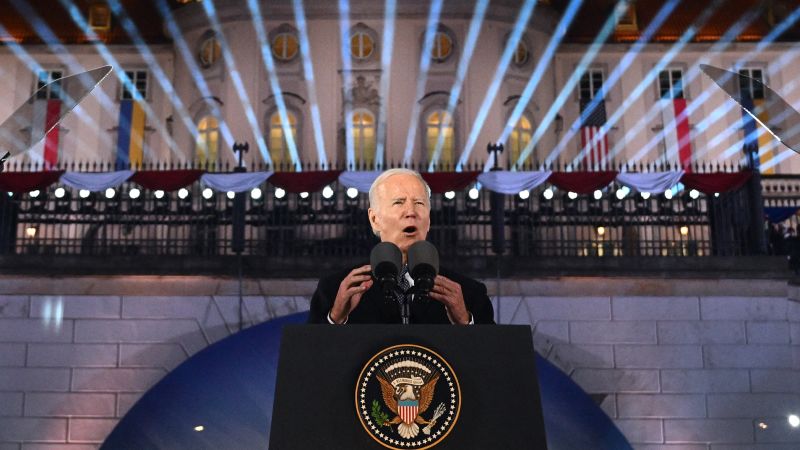
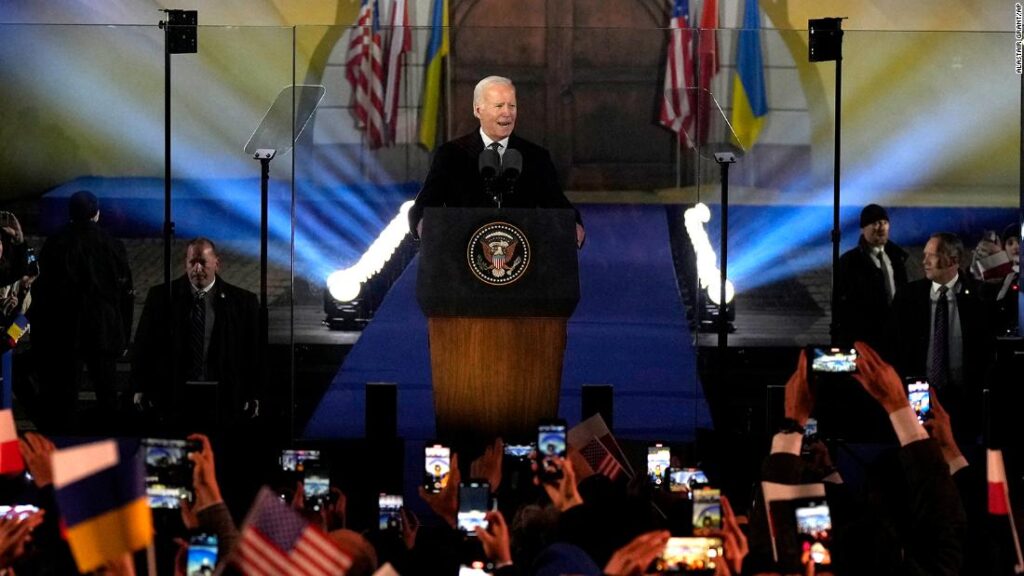
President Joe Biden has returned to Warsaw, Poland to mark the one-year anniversary of the Russian invasion of Ukraine. He warned of hard and bitter days ahead, but pledged that the US and its allies would have Ukraine's back. Biden also declared that democracies of the world will stand guard over freedom, and that Kyiv stands strong against Russian aggression. The US and its allies have been providing support to Ukraine, including military aid, diplomatic support, and economic assistance.
In his annual state of the nation address, Russian President Vladimir Putin accused the West of starting the war in Ukraine and announced that Russia is suspending its participation in the New START nuclear arms reduction treaty. The US has condemned Putin's speech and is urging Russia to return to the negotiating table and extend the treaty, which is a "cornerstone of strategic stability" between the two nuclear superpowers.
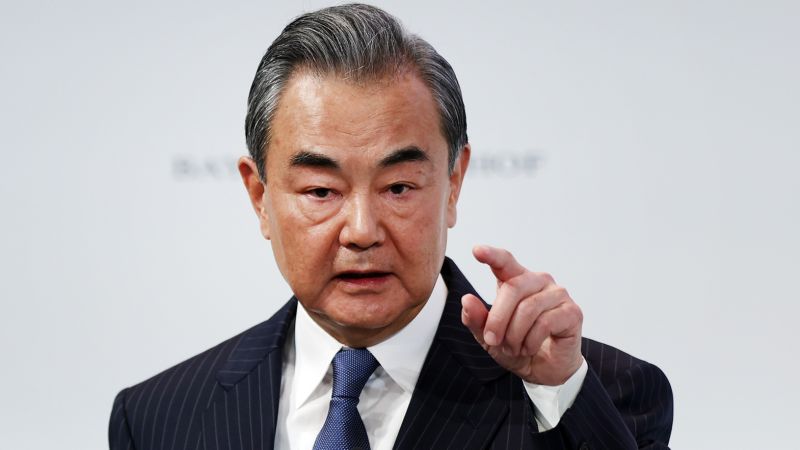
Wang Yi, China's top diplomat, has arrived in Moscow for a high-profile visit that includes a meeting with Russian Foreign Minister Sergey Lavrov. The visit comes as tensions between Washington and Beijing continue to rise, with the U.S. Ambassador to the United Nations warning China against providing lethal aid to Russia in its war against Ukraine. Wang's visit is the final stop in an eight-day international tour and it is unclear what topics will be discussed, but it is likely to include the ongoing conflict in Ukraine and U.S.-China relations.
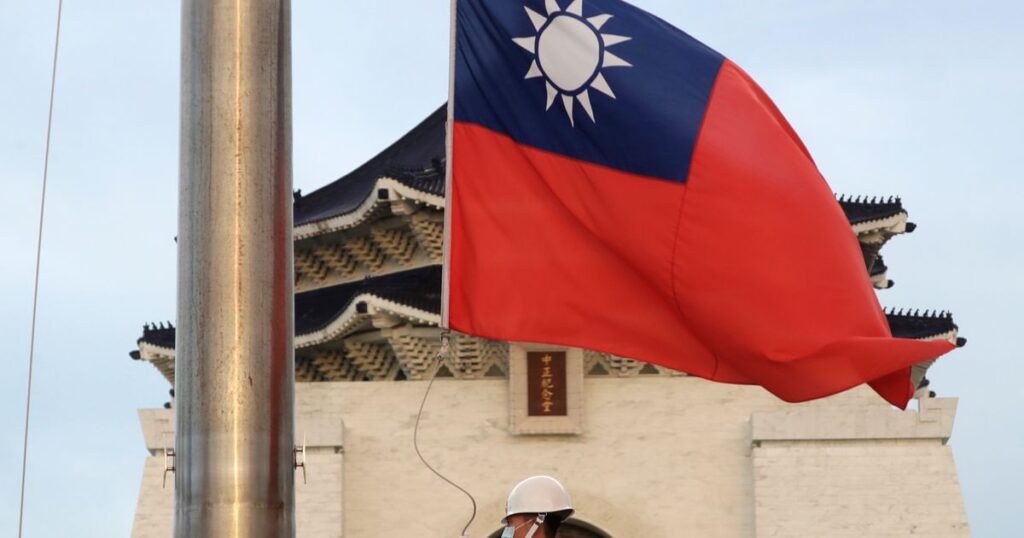
U.S. lawmakers visited Taiwan on Monday and Tuesday to meet with President Tsai Ing-wen and deepen military cooperation between the two sides. The delegation also held talks with Taiwan Semiconductor Manufacturing Company’s founder Morris Chang, and China responded to the visit by holding large-scale military exercises. The visit is a sign of the strong relationship between the U.S. and Taiwan, despite the ongoing tensions between the U.S. and China.