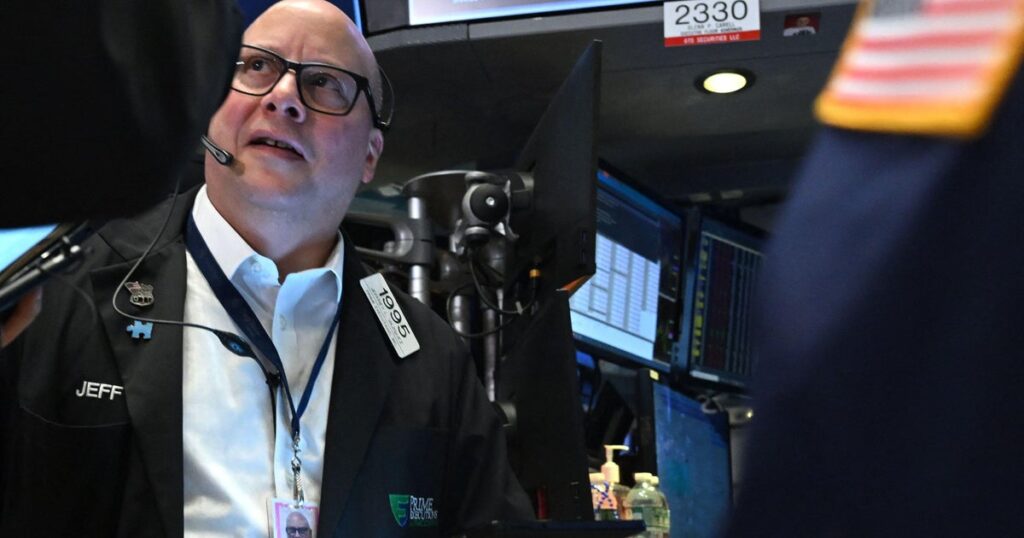
Recent market volatility has been significantly influenced by President Donald Trump's unpredictable policy decisions, leading to investor concerns about the sustainability of future market rallies. The situation has been exacerbated by China's announcement of additional countermeasures in response to the U.S. imposing a higher-than-expected tax on Chinese imports, which has accelerated stock market losses and affected the bond market. UBS strategist Bhanu Baweja and other analysts highlight the ongoing trade war as a threat to the economy, with recent fluctuations partially reversing historic stock gains and contributing to broader economic uncertainty.
Posts tagged as “China”
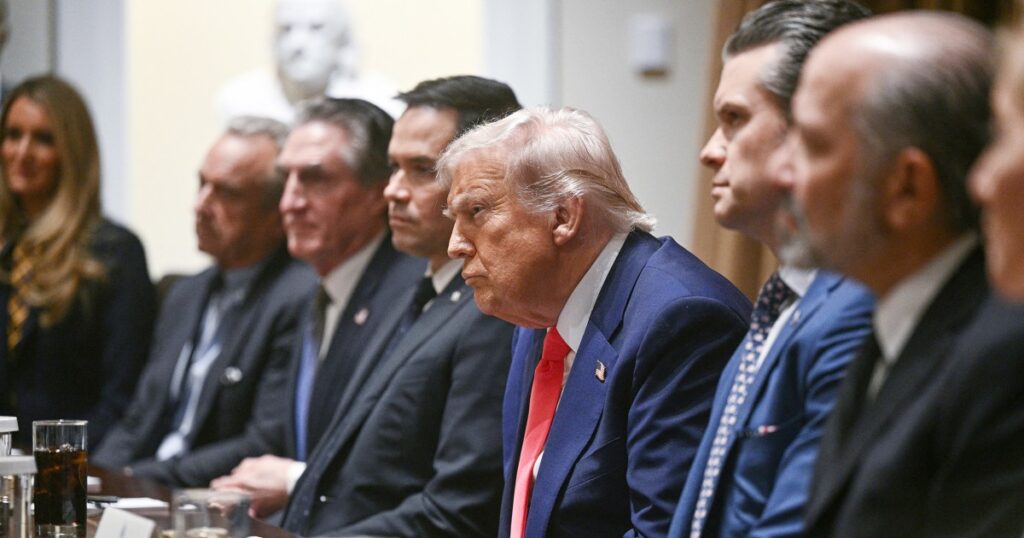
During a Cabinet meeting, President Donald Trump addressed the escalating trade tensions with China, highlighting the administration's decision to increase tariffs on Chinese goods to 145%, which has led to market volatility. Despite the fluctuations, Trump expressed confidence in reaching favorable trade resolutions with various countries within 90 days, aiming to stabilize the economic landscape through strategic negotiations. Treasury Secretary Scott Bessent provided context on market movements, suggesting they are part of broader economic dynamics, while critics voiced concerns about potential inflation and the need for sustained policy efforts.
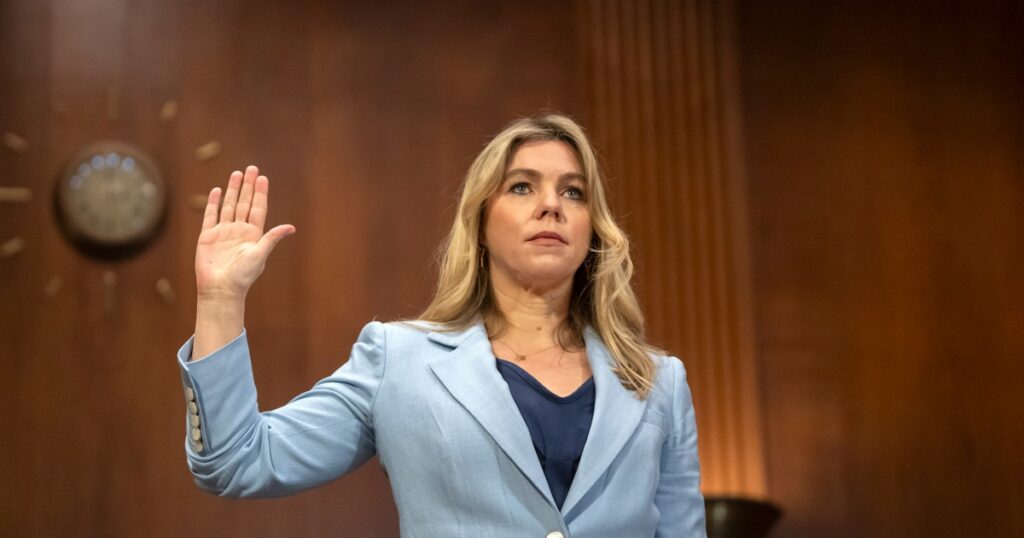
A Senate Judiciary subcommittee on crime and terrorism convened to examine Meta's operations in China, featuring testimony from former employee Sarah Wynn-Williams, who criticized the company's collaboration with the Chinese government. Wynn-Williams alleged that Meta developed censorship tools for the Chinese Communist Party and allowed access to user data, including American users, by Chinese authorities, raising bipartisan concerns about data security and censorship. Senators expressed disapproval of Meta's practices, with plans to further investigate and potentially seek testimony from CEO Mark Zuckerberg, highlighting ongoing scrutiny of the company's ethical practices.
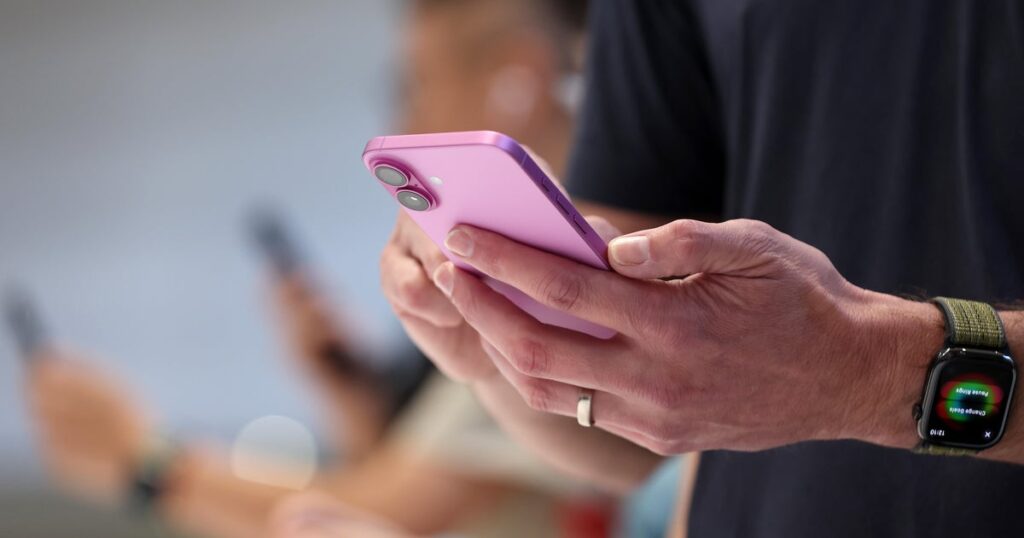
President Donald Trump's tariff policy is set to impact electronic device pricing, particularly Apple iPhones, as new tariffs on foreign nations are introduced, though they have been postponed for 90 days except for Chinese imports. The announcement has caused financial market volatility, with the S&P 500 index experiencing a significant rise due to the temporary pause in higher tariff rates for several trading partners, while a baseline 10% tariff remains. The White House's decision to impose a 104% tariff on all Chinese goods, potentially raising consumer prices, underscores the administration's focus on addressing trade issues with China, prompting concerns about increased costs and supply chain disruptions.
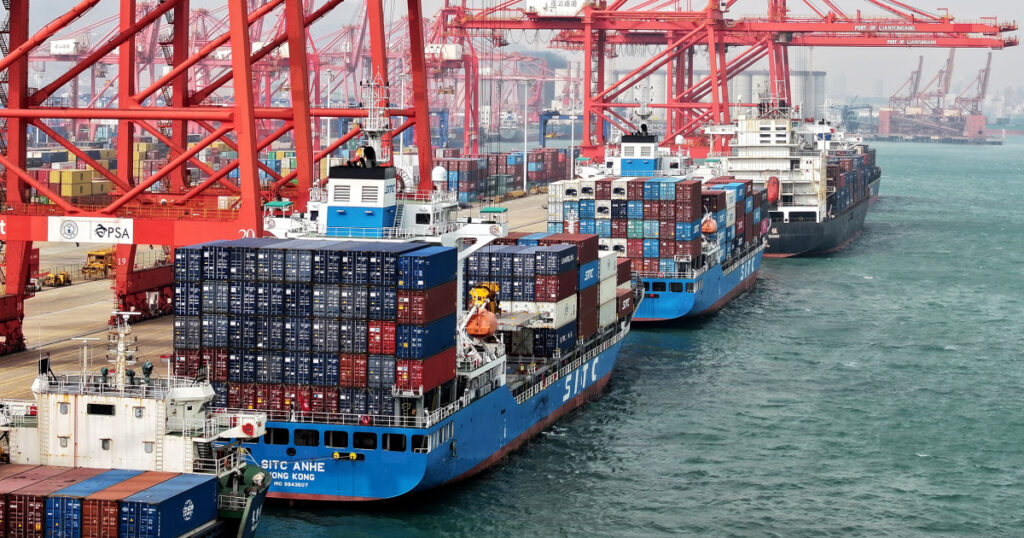
President Donald Trump announced a 90-day suspension of tariffs on over 75 trading partners, leading to a significant surge in the stock market, with the Dow Jones Industrial Average and S&P 500 experiencing substantial gains. This decision, communicated via Truth Social, reflects a strategic shift in the administration's trade policy, aiming to foster dialogue and resolve ongoing trade disputes, although China remains excluded with increased tariffs. The market's positive response indicates investor optimism about potential resolutions, with attention now on the outcomes of these discussions and their impact on international trade dynamics.
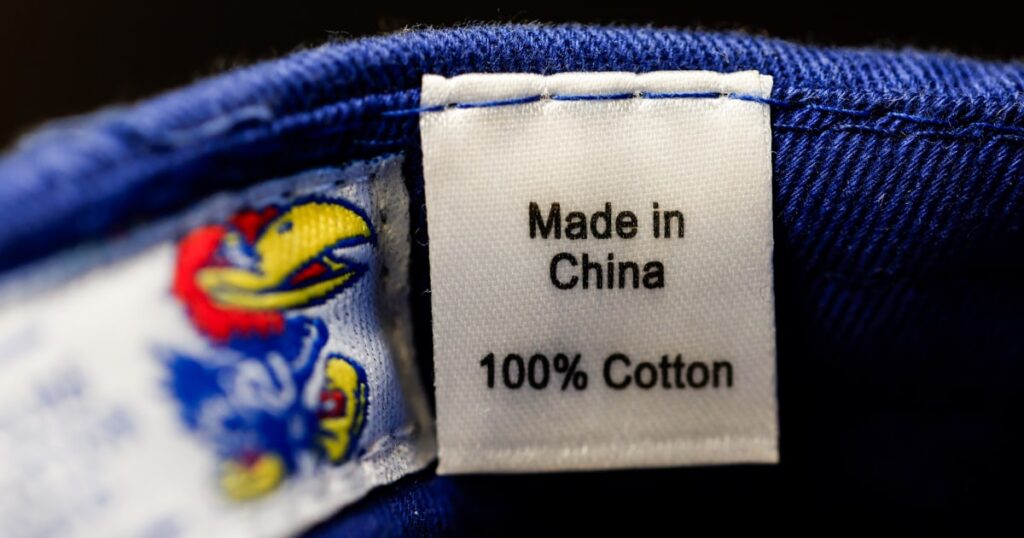
China has retaliated against the United States by increasing tariffs on U.S. goods to 84% following President Donald Trump's imposition of a 104% tariff on Chinese imports, escalating trade tensions between the two nations. While China is committed to a firm stance in the trade conflict, the European Union is opting for a more measured approach, criticizing the U.S. tariffs as "unjustified and damaging" but still deliberating on a collective response. These differing strategies highlight the varied international reactions to U.S. trade policies, with the global community closely watching the potential impacts on trade dynamics and economic stability.
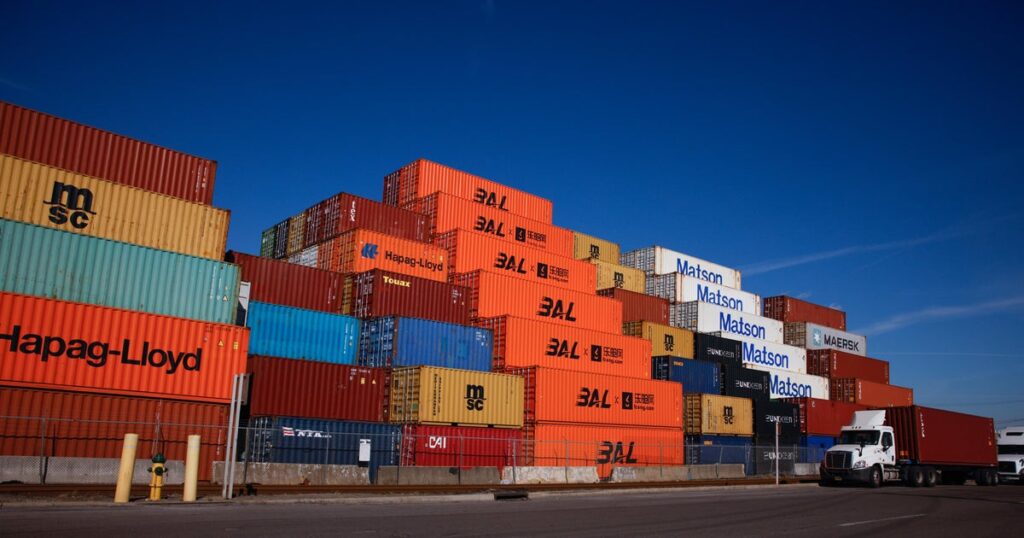
President Donald Trump's new tariffs, including a significant 104% tariff on Chinese goods, have sparked concerns of a potential global trade war and elicited varied reactions both domestically and internationally. The tariffs have already impacted global financial markets, with notable fluctuations in indices such as Japan's Nikkei 225 and Hong Kong's Hang Seng, reflecting widespread uncertainty about their economic repercussions. Despite Trump's indication of possible "tailored" tariff deals, the broad scope of these measures has raised fears of a recession and heightened anxiety among investors and policymakers globally.
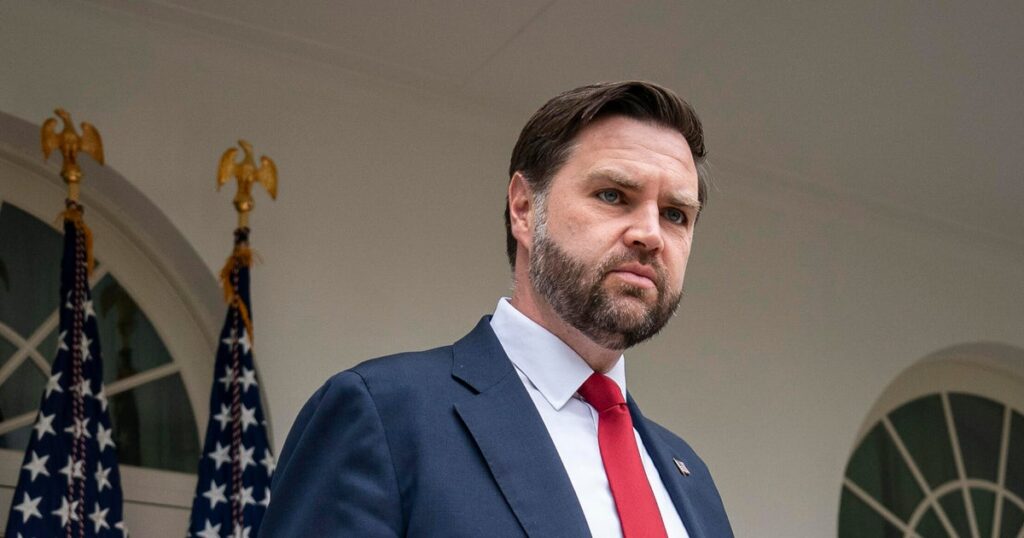
The global economy is facing significant disruptions due to new tariffs imposed by the Trump administration, including a 10% baseline on all imported goods into the U.S., which has particularly affected industries like footwear that rely heavily on international manufacturing. Tensions between the U.S. and China have escalated following controversial remarks by U.S. Vice President JD Vance, leading to criticism from China's foreign ministry and complicating trade relations. Despite a market downturn and criticism from various sectors, President Trump remains committed to his trade policies, introducing additional duties that have further strained international trade and impacted businesses like SIA Collective, a luxury sneaker company reliant on Chinese manufacturing.