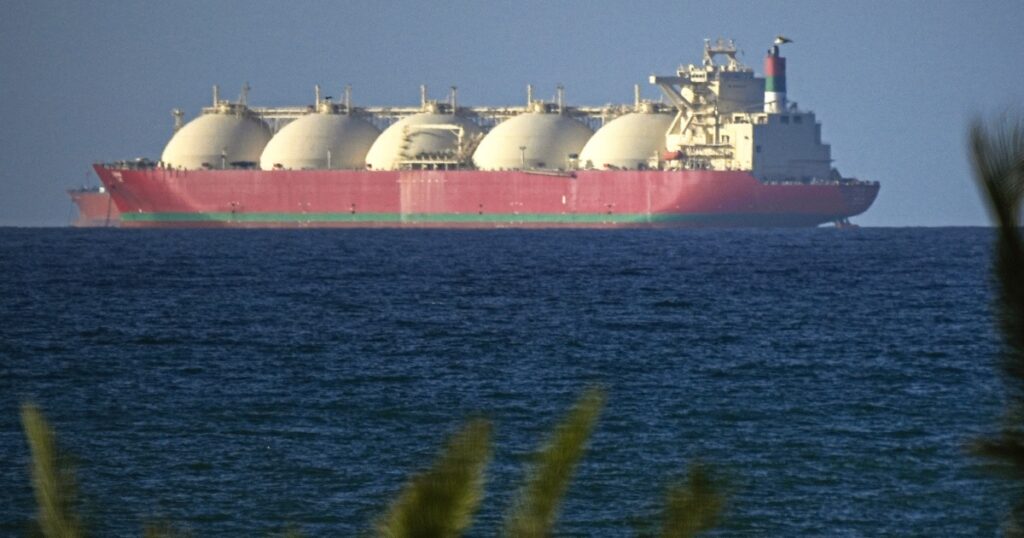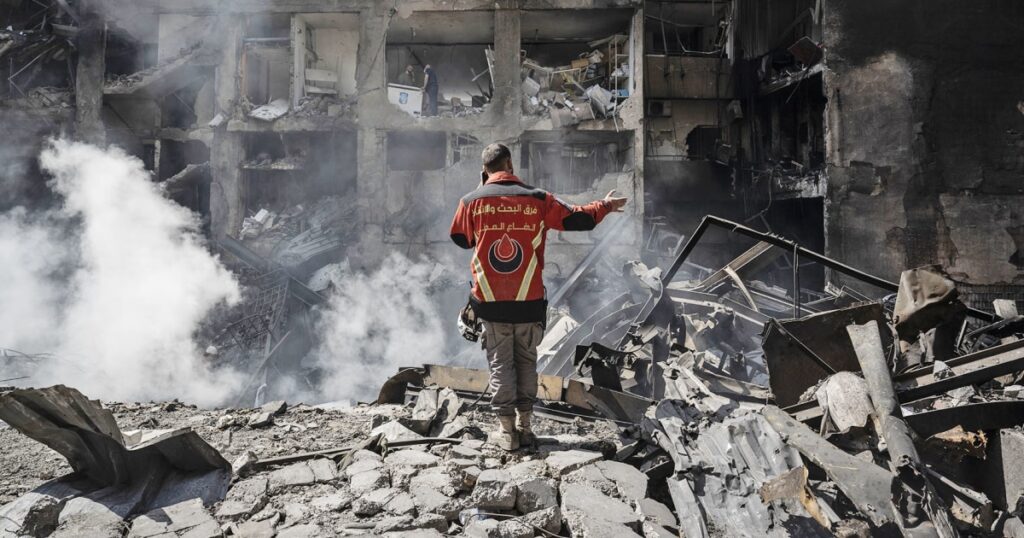
Tensions between the United States and Iran have sharply escalated over the closure of the strategic Strait of Hormuz, with the U.S. issuing an ultimatum threatening to target Iran’s energy infrastructure and Iran responding with warnings of retaliatory strikes on U.S. and Israeli assets. Military engagements have already occurred, causing significant disruptions to global oil supplies and surging prices, while international efforts to secure the strait face challenges due to Iran’s control over critical infrastructure through the IRGC. Experts warn that military action alone may not resolve the crisis and highlight the potential humanitarian risks of targeting energy infrastructure linked to civilian services, prompting calls for careful strategic decisions amid growing regional instability.
Posts tagged as “anti-Iranian”
U.S. Treasury Secretary Scott Bessent defended recent U.S. military strikes on Iranian infrastructure as necessary escalations to de-escalate tensions, while also explaining the easing of sanctions to release Iranian oil onto global markets as a strategic move against Iran. Iran warned of retaliatory attacks on U.S. and allied infrastructure if its fuel and energy facilities were targeted, though the U.S. has so far avoided directly hitting Iran’s oil infrastructure. Meanwhile, growing political opposition in Congress criticized the administration for lack of authorization, transparency, and a clear strategy, calling for an end to the conflict.
Iranian missile strikes targeted the Israeli towns of Dimona and Arad near the country’s main nuclear research center, injuring at least 90 people and causing significant damage. The attacks followed an airstrike on Iran’s Natanz nuclear facility and marked an escalation in the ongoing conflict, with Israeli officials condemning the strikes as reckless and strategically aimed at civilians. Meanwhile, U.S. intelligence testimony before Congress revealed differing objectives between the U.S. and Israel in the conflict and warned of potential broader regional impacts, including threats to U.S. forces and disruptions to global oil supplies.
The U.S. Treasury Department has temporarily eased sanctions on Iranian oil shipments already at sea to help lower soaring global energy prices, allowing purchases of oil loaded before a specified deadline until April 19. This narrowly tailored move aims to increase supply without significantly benefiting Iran financially, marking a shift from previous maximum pressure policies amid ongoing tensions and geopolitical conflicts affecting oil markets. However, experts remain skeptical about the relief’s effectiveness, while high fuel costs continue to impact industries like aviation, prompting operational adjustments and discussions of increased security measures in critical shipping routes.
Tensions between the U.S. and Iran have heightened concerns over the safety of at least four American detainees held in Iran’s volatile prisons amid ongoing conflict and unrest. Meanwhile, the U.S. government is considering various military options, including potential ground troop deployments, to counter Iran’s strategic capabilities and secure key regional assets like the Strait of Hormuz. These developments occur alongside complex regional dynamics, with strained U.S.-Israel coordination following unilateral Israeli strikes on Iranian targets, highlighting the challenges of balancing humanitarian concerns with broader military and diplomatic strategies.
The U.S. Department of Defense has been engaging with families of fallen service members while preparing for a possible deployment of ground troops to the Middle East amid ongoing tensions with Iran. Defense Secretary Pete Hegseth reported that many families urged the continuation of the mission, though some, like Charles Simmons, expressed uncertainty about the war’s necessity. Meanwhile, Pentagon officials are readying forces including the 82nd Airborne Division and Marine units, even as President Trump denies immediate plans to send troops, emphasizing that preparations aim to preserve strategic options.
The conflict involving the United States, Israel, and Iran has intensified tensions across the Persian Gulf, with Iran launching retaliatory strikes on energy and civilian infrastructure in neighboring countries, prompting a high-level Gulf states meeting in Riyadh to address the escalating crisis. These attacks have severely impacted regional security and global energy markets, causing significant damage to oil and gas facilities and driving up oil prices, while military confrontations have included missile strikes, air raids, and the emergency landing of a U.S. F-35 jet. Despite widespread alerts and civilian sheltering, Gulf states remain divided on their response, with calls for de-escalation and ceasefire from some, amid fears of broader regional destabilization.