The Senate advances a plan to fund most of the Department of Homeland Security as President Trump pledges to pay all DHS employees amid a partial government shutdown. Lawmakers face divisions over funding immigration enforcement agencies, with Republicans pursuing a two-track strategy to end the shutdown.
Posts tagged as “Adam Johnson”
American freelance journalist Shelly Kittleson was kidnapped in Baghdad by suspected Iranian-backed militants linked to the militia group Kata'ib Hezbollah, with Iraqi security forces arresting one suspect and continuing efforts to secure her release. Despite multiple warnings from the U.S. State Department about threats to her safety, Kittleson traveled to Baghdad, where surveillance footage showed her abduction. U.S. and Iraqi authorities, including the FBI and counter-terrorism units, are coordinating to resolve the situation amid heightened tensions involving Iranian-aligned militias in Iraq.
The partial government shutdown has caused major disruptions at U.S. airports, with TSA officers missing paychecks and long security lines, prompting President Trump to order immediate payment to TSA employees to address national security concerns. Despite this relief effort, staffing shortages and low morale persist due to high call-out rates and resignations, while travel experts warn of lasting impacts on TSA operations. The shutdown stems from a political deadlock over DHS funding, particularly disagreements over immigration enforcement funding, with the House and Senate unable to reach a compromise as the stalemate continues beyond 40 days.
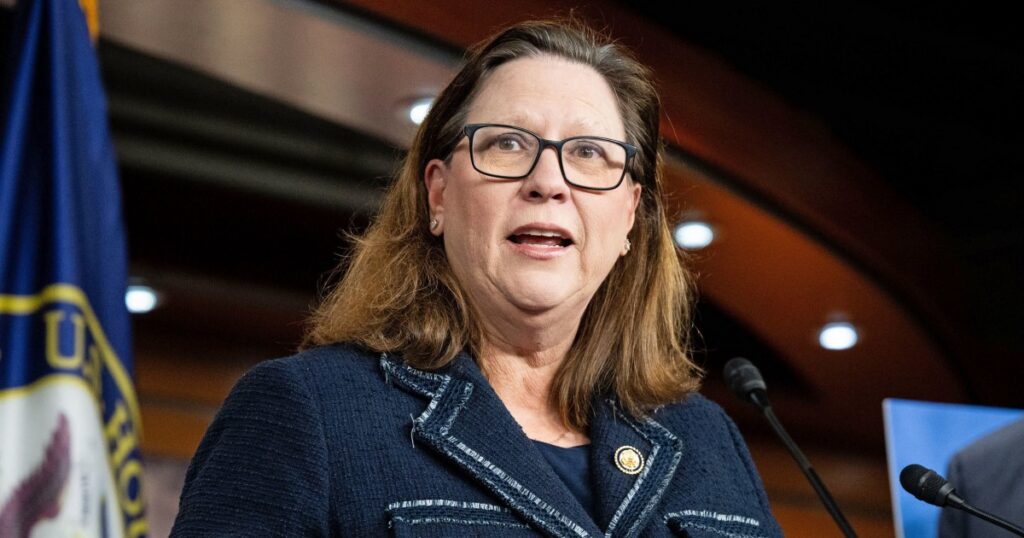
The Senate passed a Democratic-backed bill to fund the Department of Homeland Security excluding Immigration and Customs Enforcement (ICE) and Customs and Border Protection (CBP), with Democrats demanding reforms before supporting these agencies. House Republicans, led by Speaker Mike Johnson, oppose the Senate’s approach and plan to introduce a bill funding the entire DHS, including ICE and CBP, though the timing remains uncertain. The funding impasse has drawn sharp criticism from conservatives and frustration from moderate Democrats, leaving the DHS’s financial future uncertain as lawmakers return from recess.
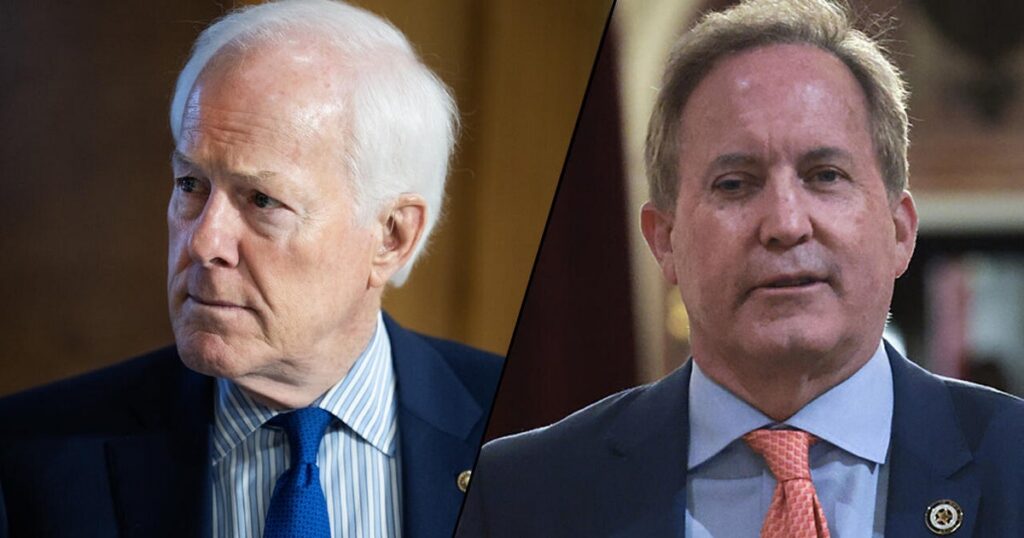
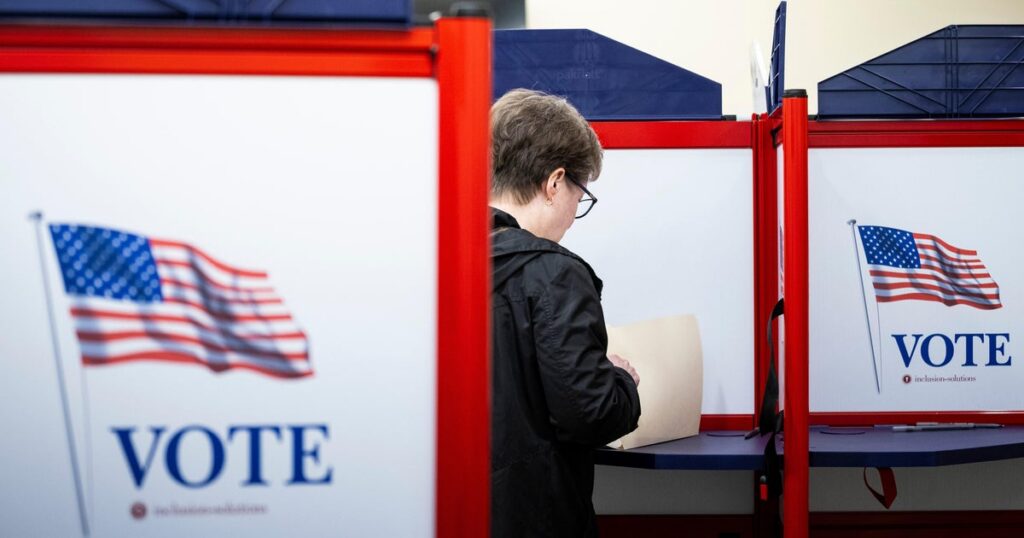
The Senate approved a bill to fund most of the Department of Homeland Security except for Immigration and Customs Enforcement and parts of Customs and Border Protection, continuing a partial government shutdown centered on immigration enforcement funding. The bill aims to restore funding for key agencies like TSA and FEMA amid operational challenges, including TSA staffing shortages and long airport security lines, prompting President Trump to order emergency payments for TSA workers. While Democrats praised the bill for excluding immigration enforcement funding without reforms, House Republican leaders criticized it and have yet to commit to advancing the measure, leaving the shutdown unresolved.
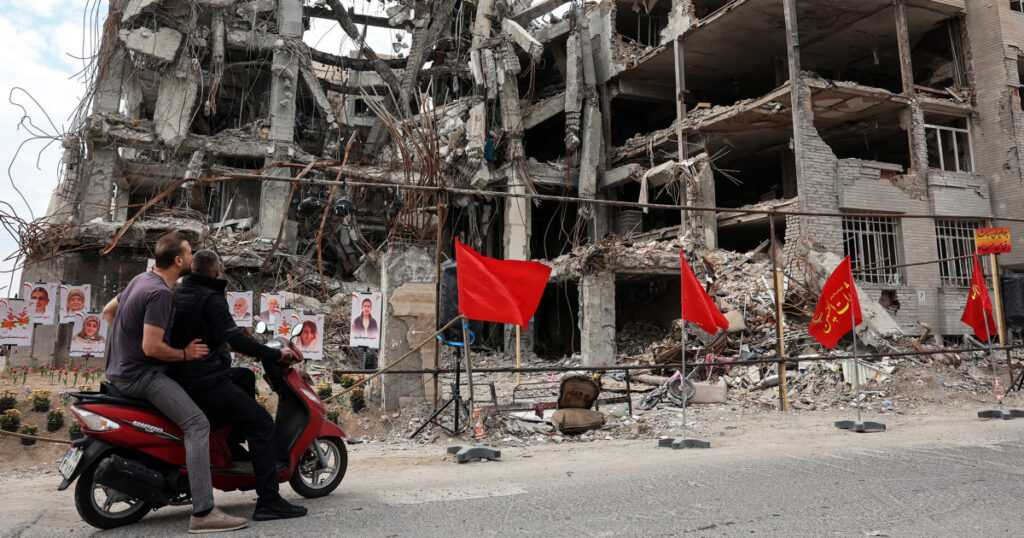
The conflict between the United States, Israel, and Iran has intensified, with Iran rejecting a U.S. peace proposal while talks continue amid threats of severe military action, including a possible ground invasion of the strategically vital Kharg Island. The U.S. is increasing its military presence in the Middle East, deploying troops and equipment as tensions rise, while international leaders, including the UN Secretary-General, call for an immediate end to hostilities to prevent wider regional escalation. The ongoing conflict has caused global economic uncertainty, particularly affecting oil markets due to disruptions around Kharg Island and the closure of the Strait of Hormuz.
The Trump administration is reportedly preparing to request over $200 billion in emergency supplemental funding from Congress to support ongoing military operations in Iran, potentially using the request to retroactively justify the conflict. While House Speaker Mike Johnson and Defense Secretary Pete Hegseth have not ruled out the large funding package, lawmakers, especially Democrats, have expressed concerns about the lack of congressional authorization and the political challenges in passing such a bill. President Trump defended the surprise nature of the strikes on Iran, compared them to Pearl Harbor, confirmed the funding request, and downplayed the economic impact despite disruptions in the Strait of Hormuz.