Dawn, a six-year-old yellow-bellied marmot in Colorado, won the first Fat Marmot Week after taking both the public vote and researchers’ weight-gain title. The contest was created to spotlight marmots and support a long-running research project facing funding cuts.
Posts published in “Science”
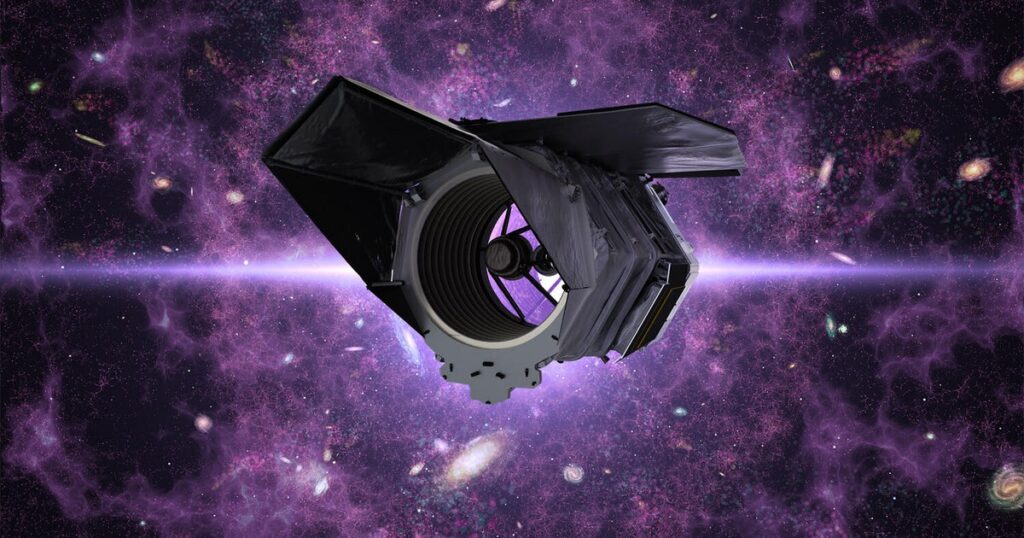
NASA plans to launch the Nancy Grace Roman Space Telescope on Sunday for a five-year mission to map stars, galaxies and exoplanets. The $4.3 billion observatory is expected to study dark matter, dark energy and the universe’s expansion from a stable point about 1 million miles from Earth.

President Donald Trump signed an executive order to begin creating a U.S. Space Academy for the Space Force, NASA and the commercial spaceflight industry. The academy’s location has not been chosen, though Trump said a decision would come “very shortly.”
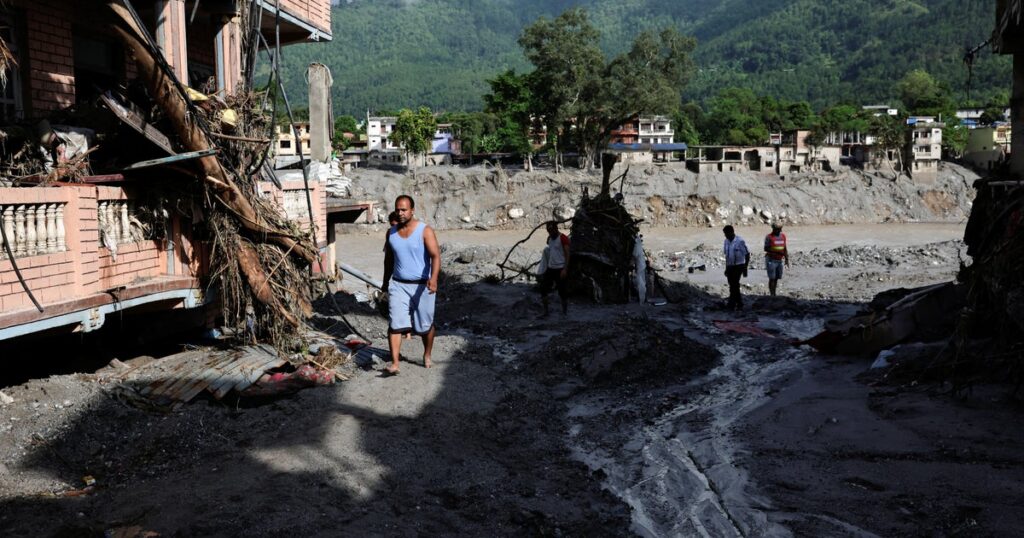
Nepal paused rescue efforts after officials warned that an overflowing debris-dammed lake could trigger more flooding along the devastated border with Tibet. At least 469 people have died in Nepal, and more than 1,500 people are missing across Nepal and China’s Tibet region.
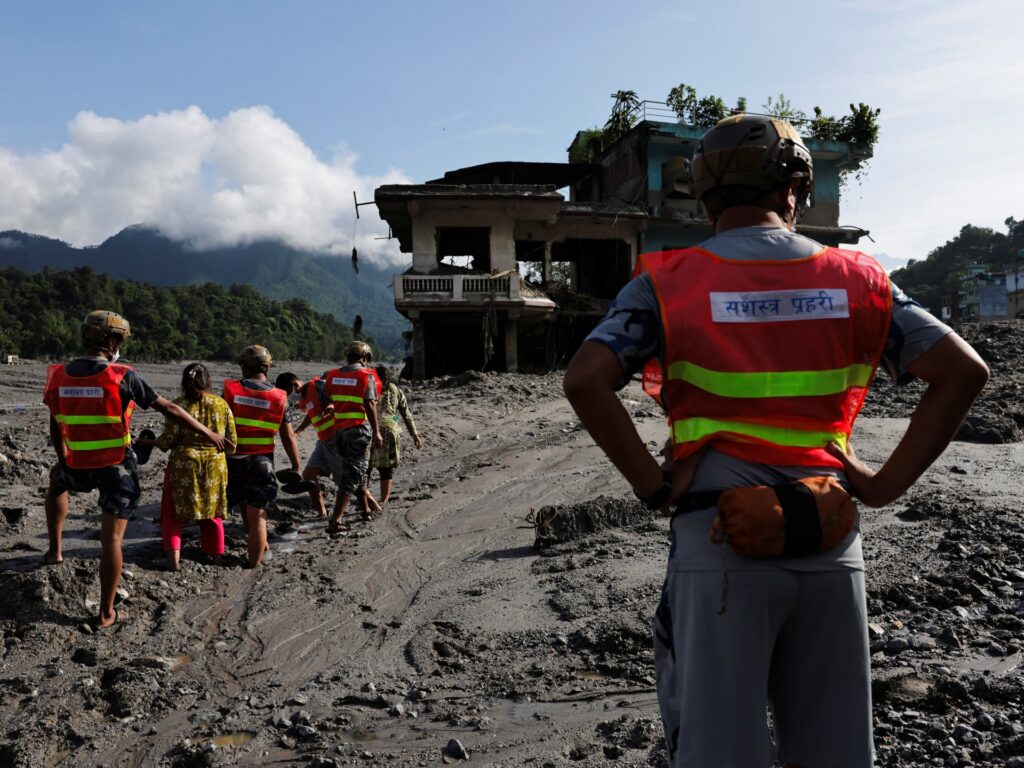
Chinese authorities warned that a barrier lake near the Nepal-Tibet border is at high risk of breaching after a deadly glacier-triggered flood. More than 470 people have been confirmed dead, with hundreds still missing on both sides of the border.
A glacier collapse triggered flash floods along the Nepal-Tibet border, killing at least 270 people in Nepal and leaving more than 1,500 missing. Rescue crews are struggling to reach devastated communities after roads and bridges were swept away.
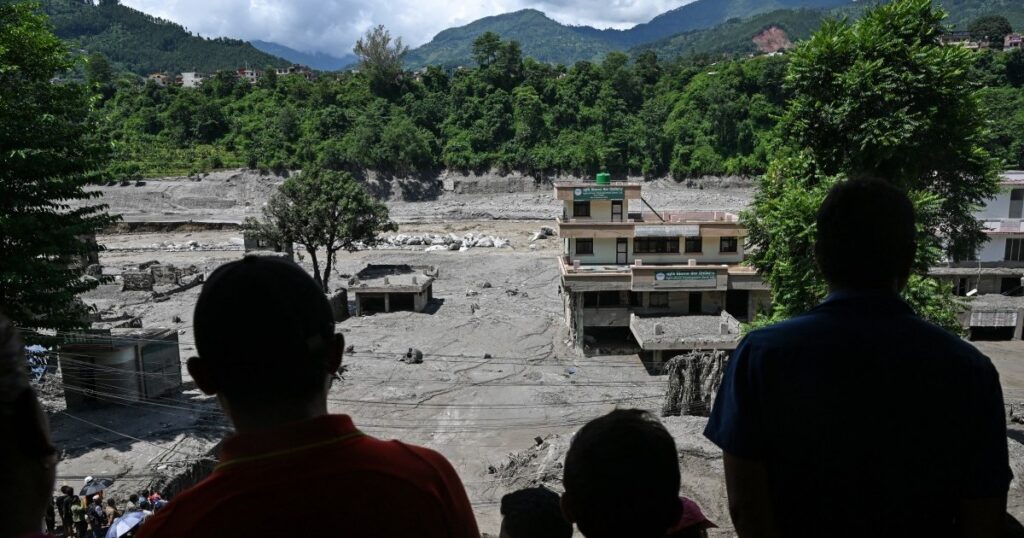
Scientists say a glacier collapse, not an earthquake, likely caused the devastating floods along the Nepal-Tibet border. Death tolls reported by outlets differ, while experts warn that warming and glacial loss are increasing hazards across the Himalayas.
The UK Met Office says a developing Pacific El Niño could be unprecedented in modern records, with sea surface temperatures forecast to exceed 3C above average. Forecasters warn it will raise risks of drought, flooding, storms and global heat, making 2027 very likely to become the hottest year on record.