Key takeaways:
- Spain asked Frontex for help and requested 10 additional officers to process migrants remaining in Ceuta.
- Authorities say 5,000 to 8,000 migrants, including unaccompanied children, remain in Ceuta after 72,000 crossed from Morocco on July 30 and 31.
- Recent unrest has included blocked Red Cross aid deliveries, fires at migrant camps on Trampolín Beach and the arrest of 12 migrants accused of stoning a military vehicle.
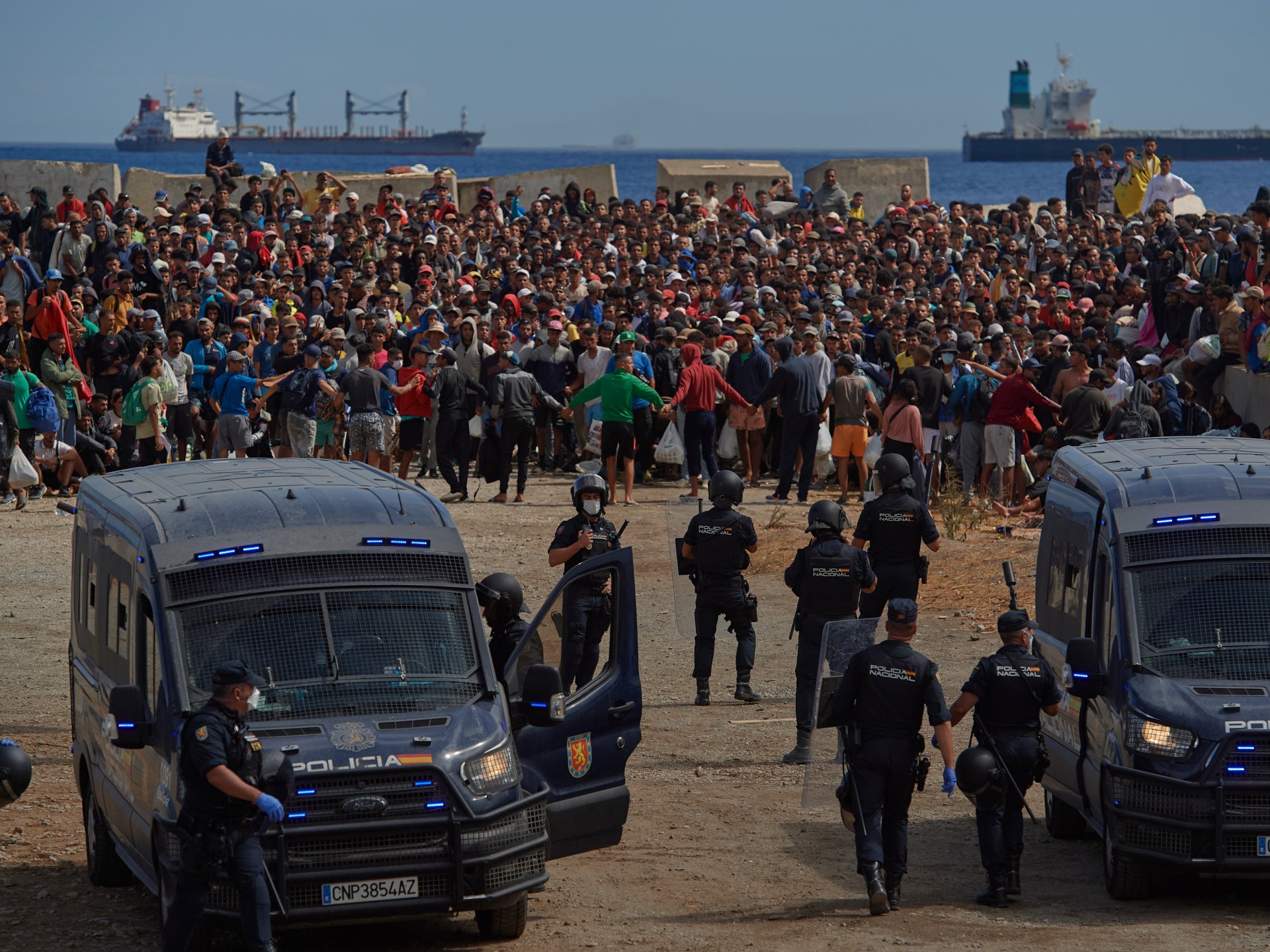
Spain has asked the European Union’s border agency for help processing thousands of migrants still in Ceuta after unrest in the Spanish enclave escalated into attacks on camps, blocked aid deliveries and clashes with police.
Interior Minister Fernando Grande-Marlaska sent the request Friday to Beate Gminder, the European Commission’s director general for migration and home affairs, asking for Frontex assistance and 10 additional officers to speed up screening, Al Jazeera reported. Spanish authorities must identify those who remain in Ceuta to determine whether they qualify for international protection or should be returned to Morocco.
The request comes about a month after 72,000 people crossed from Morocco into Ceuta on July 30 and 31, most by swimming around a border fence. Most returned to Morocco within hours, but several thousand remain in the city. Authorities cited by Al Jazeera put the number still there at between 5,000 and 8,000, including unaccompanied children. Many have been sleeping rough on beaches or streets.
The toll from the crossing remains disputed. Ceuta’s mayor said at least 100 people died, the BBC reported. Al Jazeera cited official figures saying 82 people died on the Spanish side of the border and 14 on the Moroccan side, while human rights groups reported higher numbers.
Tensions have grown between residents and the migrants. Earlier anti-migrant demonstrations were largely peaceful, but recent protests have turned violent. On Thursday, several dozen local people stopped Red Cross workers from distributing food and water to migrants. Later, some people set fire to migrant camps on Trampolín Beach, the main area where many have been sleeping, and clashes broke out with police. Journalists and film crews have also reported being threatened.
The same day, 12 migrants were arrested after being accused of throwing stones at a military vehicle, breaking its windows and injuring those inside. The BBC reported that four men in the vehicle were injured. Al Jazeera reported that one soldier and four migrants were injured, and said El País, citing court sources, reported that 11 of the arrested migrants were expelled from Ceuta. There were also reports of vigilante groups pursuing migrants through the streets.
“This is a city which has been under pressure, […] which has the right to normality,” Ceuta’s mayor, Juan Jesús Vivas of the conservative People’s Party, told Antena 3 television. “The dignity of Spain is a stake right now in Ceuta,” he said.
Prime Minister Pedro Sánchez’s Socialist-led government has appealed for calm and accused Vivas’s party and the far-right Vox of inflaming tensions. José María Figaredo, a Vox member of Congress, is being investigated for a possible hate crime after saying soon after the arrivals that migrants should be “hunted down, one by one.”
“We have heard during these weeks rhetoric and comments that contribute to the stigmatisation of immigrants and which feed social division at a moment when what we need is responsibility and statesmanship,” Grande-Marlaska told a congressional committee.
Javier Celaya, who represents Ceuta in Congress for the People’s Party, accused the government of treating “the invaders as victims when the real victims are us, the people of Ceuta.” On Friday, all parties in Ceuta’s local assembly signed a declaration condemning violence.
Madrid has centralised management of the situation, overriding the local authority, after criticism that it had been slow to respond. Defence Minister Margarita Robles apologised to residents who “may have felt, or who even still feel, abandoned or not sufficiently cared,” as the government announced plans to overhaul immigration laws.
Much of the local anger has focused on government plans to move migrants into public buildings, including sports centres, so officials can process their status and return those not eligible for asylum. Many residents and Vivas oppose the plan, saying it would bring migrants closer to residential areas.
The crisis has also raised political questions over the crossing itself. Politicians on the right and far left have accused Morocco of involvement, pointing to alleged past use of the border to pressure Spain. Sánchez and his party blame people traffickers and say Morocco remains a reliable partner that helped facilitate the immediate return of most arrivals.
Morocco has reiterated its longstanding claim to Ceuta and Melilla, Spain’s other autonomous city in North Africa. Foreign Minister José Manuel Albares said he “roundly rejected” those comments. “I don’t speak about, nor have I spoken about, nor are we going to speak about Spain’s territorial integrity with Morocco or with anyone else,” he told the congressional committee.







Be First to Comment