Key takeaways:
- Vice President JD Vance canceled planned travel to Switzerland, and the first U.S.-Iran technical talks under the memorandum of understanding were postponed.
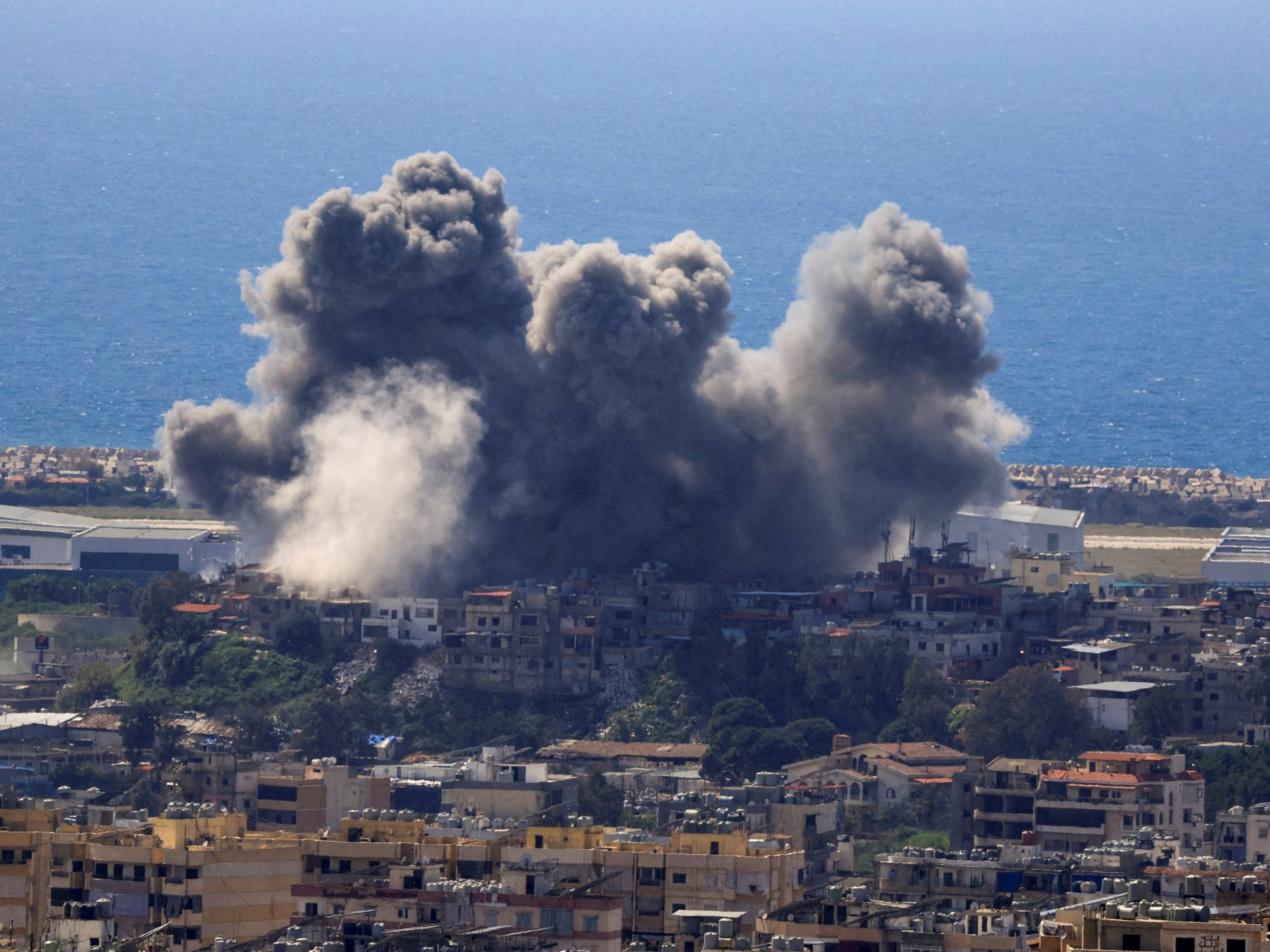
- Israel said it struck more than 80 Hezbollah targets in southern Lebanon; Lebanese officials reported at least 18 deaths, while Israel said four soldiers were killed.
- The U.S.-Iran memorandum calls for a halt to military operations on all fronts, including Lebanon, and for reopening the Strait of Hormuz.
Planned U.S.-Iran peace talks in Switzerland were postponed Friday after Vice President JD Vance canceled his trip and Israel launched heavy new strikes in southern Lebanon, putting early pressure on a preliminary agreement meant to end the war.
The talks, scheduled for the mountaintop resort of Bürgenstock, were intended to open a 60-day period of technical negotiations between the United States and Iran, with Qatar and Pakistan also expected to take part. Switzerland’s foreign ministry confirmed the meeting would not go ahead but said it “remains ready to facilitate these talks” and that “relevant preparatory work” was continuing.
The White House did not give a specific reason for Vance’s canceled travel. “The plans for the upcoming technical talks have not been finalized, and the U.S. delegation has been prepared to depart at the first available opportunity,” a spokesperson said. “But the logistics of these negotiations have never been simple or predictable. As of now the Vice President is not departing tonight.” The spokesperson added, “We look forward to beginning technical talks as soon as possible.”
CBS News, citing officials who spoke to The Associated Press, reported that Iran suspended the talks because of the fighting in Lebanon and comments by Israeli Prime Minister Benjamin Netanyahu. Al Jazeera reported that Iranian negotiators wanted to see signs that the interim agreement, which includes Lebanon in the ceasefire, was being implemented before traveling.
The memorandum of understanding, signed Wednesday by President Donald Trump and Iranian President Masoud Pezeshkian, calls for the “immediate and permanent termination of military operations on all fronts,” including Lebanon, and for the reopening of the Strait of Hormuz. NPR reported that U.S. Central Command ended its naval blockade of ships to and from Iranian ports after the agreement was signed.
Trump celebrated the shipping provisions on Truth Social, writing, “Ships of the World, start your engines. Let the oil flow!” But he also described the arrangement as fragile. “It’s a memorandum of understanding,” he said at the G7 summit in France. “If I don’t like it, if they don’t behave, we’ll go right back to dropping bombs right smack in the middle of their head.” On Thursday night, Trump said he expected “a complete Ceasefire on all fronts, including Lebanon, Hezbollah, and Israel.”
Israel, which was not a party to the U.S.-Iran talks, said Friday it struck more than 80 Hezbollah targets across southern Lebanon, including command centers, launch positions and other infrastructure. The Israeli military said the attacks responded to “repeated, ongoing, and blatant violations of the ceasefire” by Hezbollah. Lebanese officials said at least 18 people were killed. Israel said four of its soldiers were killed and five others wounded in fighting in southern Lebanon.
Vance had warned Thursday that Israel needed to “respect this peace process that is fundamentally good for them and good for the entire region.” He said Israeli strikes in Lebanon when the sides were “right on the cusp of a major breakthrough in the agreement” were “not acceptable.”
Netanyahu has said Israeli forces will remain in southern Lebanon as long as Israel’s security requires it. Israel’s far-right national security minister, Itamar Ben-Gvir, wrote on social media, “Trump’s agreement does not bind us,” adding, “We are not partners to this agreement that does not ensure our security.” Al Jazeera also reported that Ben-Gvir said “all of Lebanon must burn.”
Iran has warned it would not abide by the agreement if Israel continues its campaign in Lebanon. Iran’s Supreme Leader Mojtaba Khamenei said Trump reached the interim agreement “out of desperation” and said future in-person negotiations would not mean acceptance of “the enemy’s position.” Iran’s chief negotiator, Mohammad Bagher Ghalibaf, said Tehran would remain firm on its “red lines,” according to Iran’s IRNA news agency.
The agreement also opens a path to talks on Iran’s nuclear program and possible economic measures. NPR reported that the document says the U.S. will work with regional partners to create a fund of “at least $300 billion” for Iran’s reconstruction and economic development, and that the U.S. will unfreeze Iranian funds and assets potentially worth tens of billions of dollars. Those commitments depend on further negotiations.
Oil markets reacted to the prospect of restored shipping. Brent crude steadied Friday but remained on track for a weekly decline of more than 8%, NBC News reported. Marine traffic through the Strait of Hormuz remained limited, with several ships leaving the Persian Gulf after being stuck there since February, according to NBC News analysis.






Be First to Comment