Key takeaways:
- Iran says it has agreed with Oman on the geographical coordinates of a commercial shipping route through the Strait of Hormuz.
- Iranian Deputy Foreign Minister Kazem Gharibabadi said the new route would be temporary and could be used for two to four months or potentially longer.
- The Strait of Hormuz has been largely blocked since late February, disrupting about 20% of global oil and LNG exports.
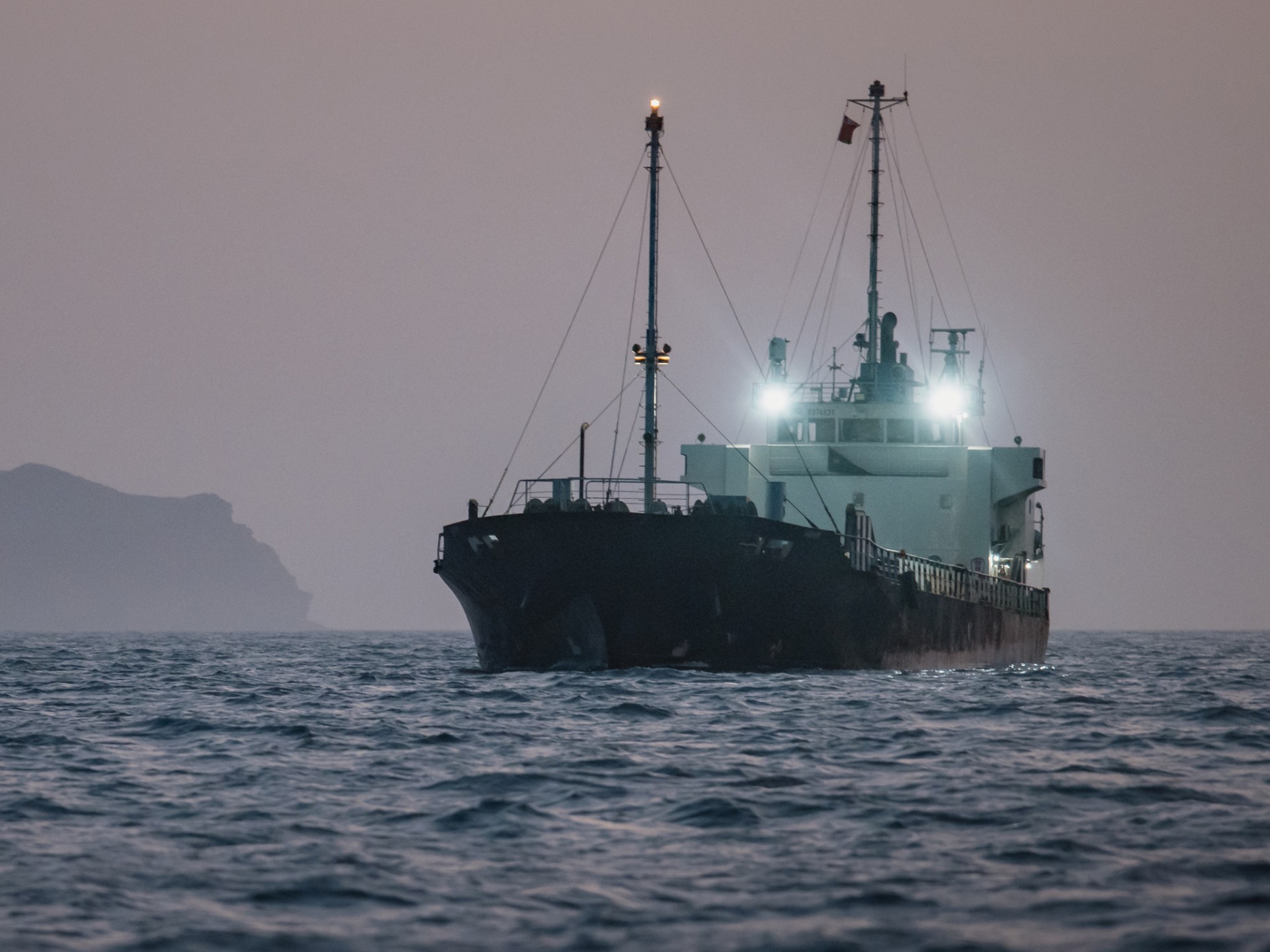
Iran said it has agreed on the geographical coordinates of a shipping route through the Strait of Hormuz with Oman, a potential step toward reopening a waterway that normally carries about a fifth of the world’s oil and liquefied natural gas.
Foreign Ministry spokesman Esmaeil Baghaei said Wednesday that talks with Oman had been under way for two months and were aimed at “determining a safe transit route for commercial shipping through the strait.” He said a joint statement by the two countries was in the final stage of review and drafting, but warned that the arrangement would not by itself guarantee safe passage.
“The geographical coordinates of the route proposed by the two sides have been agreed upon, and provided that certain third parties do not obstruct the process, the joint statement by the two countries, incorporating the main considerations and points of agreement, is also in the final stage of review and drafting,” Baghaei said.
The United States and Oman have not commented on the proposal, the BBC reported.
Iran has largely blocked the Strait of Hormuz since the United States and Israel attacked Iran in late February. Traffic through the strait has dwindled, and Tehran has said all passage must be cleared in advance. Iran has attacked vessels that ignored the order, according to the BBC. The disruption has affected about 20% of the world’s oil and LNG exports, contributing to volatile oil prices and price increases.
Kazem Gharibabadi, Iran’s deputy foreign minister for legal and international affairs, told Iran’s IRNA state news agency that the two countries had reached an understanding on almost all issues, including the locations of entry and exit routes for maritime traffic. He said large parts of the planned shipping route would pass through Iran’s territorial waters, with some sections through Oman’s waters.
Gharibabadi said existing temporary routes would be closed and the new route would be used for two to four months or potentially longer. The BBC reported that he described the route as temporary and said it could remain open from two to four months.
Baghaei said the security situation in the strait remained tied to U.S. actions. “The factors making the Strait of Hormuz insecure still exist on the part of the United States, particularly the naval blockade and other aggressive and threatening actions against Iran and its interests,” he said, according to Iran’s official IRNA news agency.
He also said the closure of the waterway was due to “US military aggression and the Zionist regime’s aggression against Iran.”
On Tuesday, U.S. President Donald Trump warned that Iran would be “hit very hard” if the strait did not open “very soon.” His comments followed statements from senior U.S. officials that talks had progressed enough to potentially allow shipments to resume later this week, though Iran has said it is not negotiating with the United States and has no plans to do so.
Reopening the strait has been a key issue in discussions involving the two countries and mediators. One unresolved point between Tehran and Washington has been Iran’s threat to impose a fee on vessels seeking to cross the strait. Iranian officials did not say Wednesday whether that issue was part of the talks with Oman.
In June, Iran and the United States signed a memorandum of understanding aimed at stopping fighting, reopening the Strait of Hormuz and reaching an agreement to end the war within 60 days. The deal quickly collapsed, as did diplomatic talks, and tit-for-tat attacks resumed days later.
The United States has maintained a naval blockade of Iranian ports in the region. Al Jazeera reported that U.S. Central Command said Wednesday it had redirected 48 commercial vessels, disabled two and boarded two as part of its blockade of the Iranian navy. Another blockade is in place on Saudi Arabia’s ports in the Red Sea, imposed by Yemen’s Iran-backed Houthis since July 20, according to the BBC.













Be First to Comment