Key takeaways:
- The Senate voted 73-25 to begin considering the Bipartisan American Affordability and Jobs Act.
- The bill’s authors project $19 billion in residential electricity savings through 2040 and $55 billion in data center payments over 10 years.
- Environmental groups oppose limits on reviews and legal challenges, while some Democrats want to revisit the bill after the new Congress convenes.
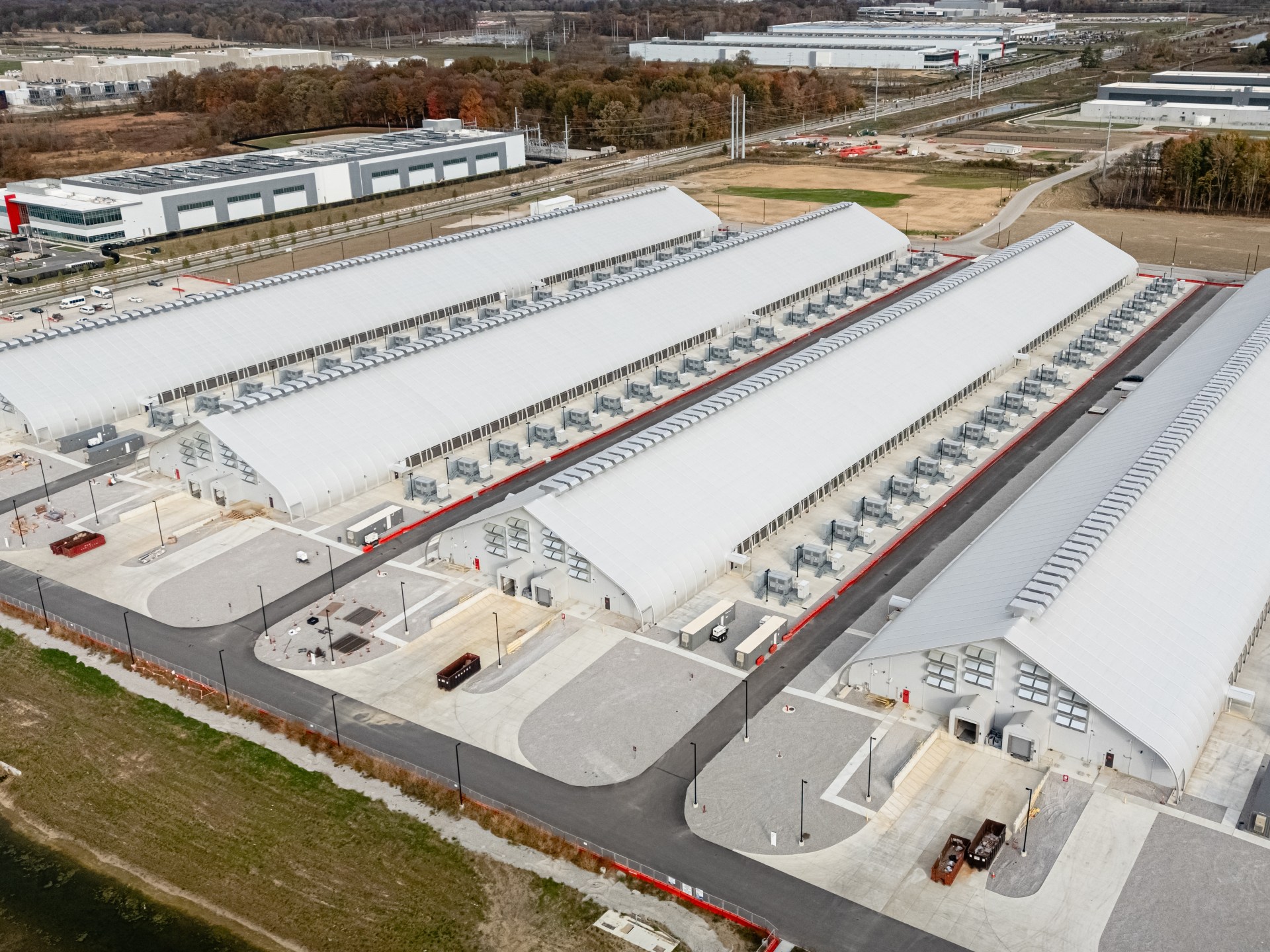
The U.S. Senate voted 73-25 Monday to take up a bipartisan bill that would speed permitting for energy projects and data centers while requiring data center owners to pay for infrastructure needed to power them. The vote moves the legislation forward, but environmental objections and Democrats’ midterm election gains could complicate its passage.
The Bipartisan American Affordability and Jobs Act would shorten federal reviews for major projects, including clean-energy installations and fossil fuel infrastructure, and restrict when approvals can be challenged in court. Supporters say projects that could add electricity to the grid face years of delays. Environmental groups say the changes would weaken safeguards and make it harder for communities to contest projects near them.
President Donald Trump urged senators to back the measure, calling it a “BIG WIN for U.S. ENERGY INDEPENDENCE and DOMINANCE” in a social media post. He said it would allow pipelines, mines and power plants to be built faster and lower energy costs. Industry groups representing clean-energy developers and oil and gas companies also support the bill, according to The Guardian.
The legislation’s four Senate negotiators are Republicans Shelley Moore Capito of West Virginia and Mike Lee of Utah, and Democrats Martin Heinrich of New Mexico and Sheldon Whitehouse of Rhode Island. They released amendments Saturday aimed at building support, The Guardian reported.
Heinrich urged lawmakers to act now on electricity prices. “The people sent us a very clear message on Tuesday that they expect us to lower the costs in their daily lives,” he said Monday, according to Al Jazeera. “We don’t have to wait for the new Congress to start lowering costs. We can do that today.” Capito called the bill “a win for America” and said the country would need to increase energy production over the next several years.
The bill’s authors say it would save residential electricity customers $19 billion through 2040 and double the number of solar and wind projects connecting to the grid, according to Al Jazeera. They also project that data centers would pay $55 billion over 10 years toward their power use. Those are supporters’ projections, not savings or payments already realized.
Opponents argue the measure could lock in fossil fuel development while restricting environmental reviews and legal challenges. The Sierra Club and National Wildlife Federation have objected to proposed changes affecting the National Environmental Policy Act and Endangered Species Act, The Guardian reported. In a September statement cited by Al Jazeera, a coalition including the Climate Justice Alliance and Indigenous Environmental Network warned that the bill would enable a “no-guardrails buildout of dangerous projects,” particularly harming communities already burdened by pollution.
The Democrats’ election gains have added a political obstacle. Some Democrats want to wait until the new Congress convenes to pursue legislation that expands clean energy while limiting oil, gas and mining development. House Minority Leader Hakeem Jeffries, expected to become speaker in January, said the Senate bill “falls short” in several areas. His office said he would not “rubber-stamp” legislation without greater involvement from House Democrats.










Be First to Comment