Key takeaways:
- October consumer prices rose 0.4% from September, exceeding the 0.3% forecast.
- Energy prices rose 0.7%, down from a 5.2% increase in September; core prices rose 0.3%.
- The government published no annual October inflation rate because it lacked October 2025 data following the shutdown.
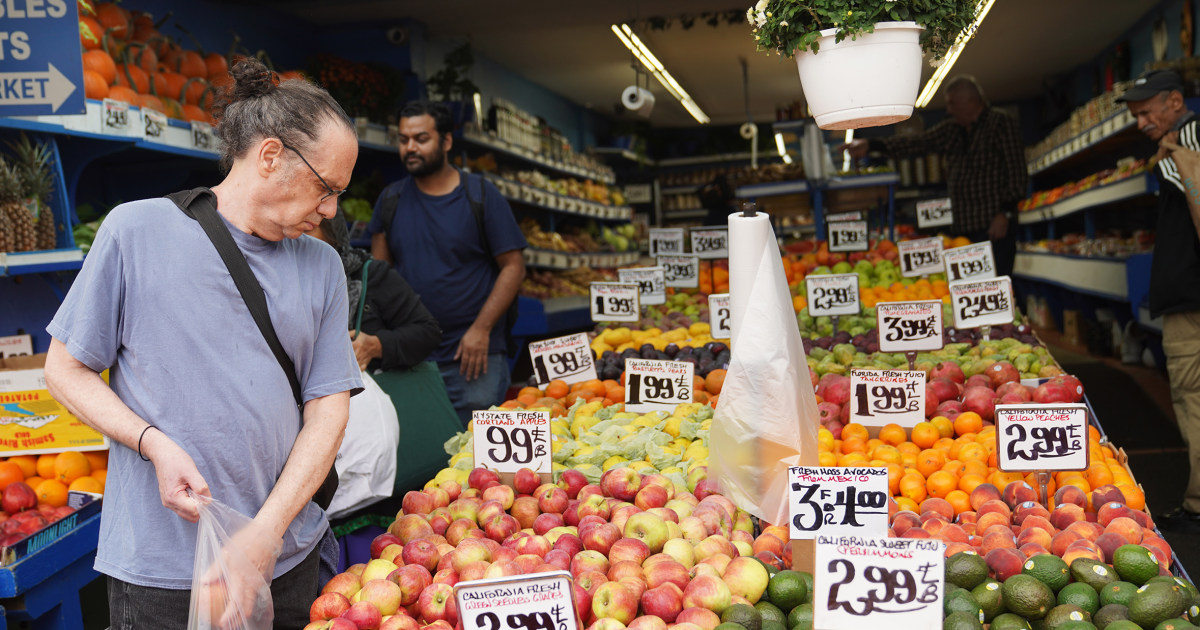
U.S. consumer prices rose more than expected in October, even as a slowdown from September offered some relief to households facing high living costs. The Consumer Price Index increased 0.4% from the previous month, the Labor Department said Tuesday, down from a 0.6% rise in September but above economists’ forecast of 0.3%.
The government did not publish an annual inflation rate for October. The 2025 government shutdown prevented it from collecting the October 2025 price data needed for a year-over-year comparison.
Energy prices rose 0.7% in October, far less than their 5.2% increase in September. The Iran war has driven up energy costs since it began in February, but gasoline prices eased at the pump through October. NBC News, citing AAA, reported that the national average fell from $4.41 a gallon on Oct. 1 to $4.18 by month’s end. The Guardian put the end-of-month figure at $4.22. Both outlets reported that the average subsequently dropped below $4 for the first time since July, though The Guardian said that happened Monday and NBC News said Tuesday.
Gasoline remained more than $1 a gallon more expensive than a year earlier, according to AAA figures cited by The Guardian. Diesel was nearly $2.50 a gallon higher than a year ago, the outlet reported. Despite falling pump prices, the government’s gasoline price index rose 1% in October, while fuel oil rose 2% and electricity increased 0.9%, according to NBC News.
Price pressures extended beyond energy. Core consumer prices, which exclude food and energy, rose 0.3% for the third straight month. Shelter costs climbed 0.3% and accounted for more than 30% of the monthly increase in the overall index, the Labor Department said. Food prices rose 0.5% after holding steady in September.
“While headline inflation moderated from September, core prices rose 0.3% for the third consecutive month, indicating that underlying price pressures have yet to meaningfully ease,” Andrew Davis, head of investment strategy at Bryn Mawr Trust, told CBS News.
NBC News reported that baby food and infant formula prices jumped 5.1%, their largest increase on record. Toy prices rose 1.8%, smartphone prices increased 1.4% and used car and truck prices fell 1.2%, the outlet reported.
The figures arrive after midterm elections that will give Democrats control of Congress. The Guardian reported that Republicans, including JD Vance, pointed to frustration over gasoline prices in assessing their party’s losses.
The Federal Reserve raised interest rates in September for the first time since 2023 and is due to meet again Dec. 8-9. Fed Governor Christopher Waller said Tuesday that he would support a quarter-point increase even if inflation improved from September. He said a half-point increase should be considered if core inflation rose 0.3% or more — the rate reported for October.
The Fed aims for 2% inflation. Its chair, Kevin Warsh, said on Oct. 28 that the central bank’s job is to ensure price changes in particular sectors do not spread across the economy and that inflation expectations remain anchored.





Be First to Comment