Key takeaways:
- Trump wrote that communities rejecting data centers risk becoming “backwards and poor” and said, “let Data Reign.”
- JD Vance said data center builders should add power to the grid, not take it out, and linked backlash to higher utility bills.
- Data Center Watch found grassroots groups blocked or delayed at least 75 data center projects worth about $130 billion in early 2026, according to The Guardian.
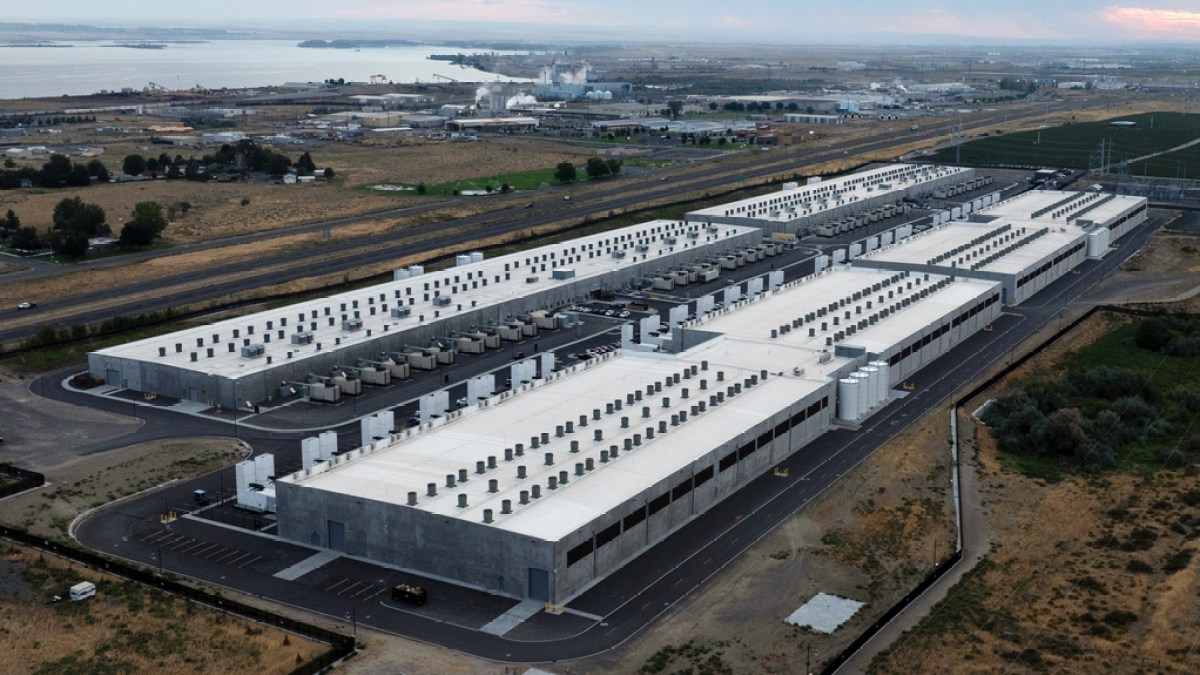
President Donald Trump warned communities resisting data center projects that they risk becoming “backwards and poor,” intensifying a national fight over facilities that supporters say can bring jobs and investment but opponents say strain power grids, raise utility bills, use large amounts of water and create constant noise.
In a Truth Social post Monday, Trump urged local governments and residents to accept the projects as controversy around data center proposals grows across the United States, including in election campaigns ahead of November’s midterm elections.
“The only reason that communities throughout the U.S.A. should not want Data Centers is if they want to end up being backwards and poor,” Trump wrote. “If they want to be successful and rich, with far lower taxes and jobs all over the place, let Data Reign.”
Trump also argued that opposition could benefit China. “The good news is that there are plenty of other places that want them. If we kill the Golden Goose, you will only have yourselves to blame. China could not be happier with this anti Data Center movement. Actually, they can’t believe it is happening!” he wrote.
The backlash has drawn voters and local officials from both parties, especially in states with ample land, low-cost power and tax incentives. Residents have raised concerns about environmental impacts, rising electricity costs and the constant hum from the facilities. Data centers have expanded partly to support growing demand for artificial intelligence, but their electricity and water consumption has made them a flashpoint in communities asked to host them.
Polling shows broad public skepticism. The Guardian reported that a recent poll found three-quarters of Americans would oppose a data center being built next to their homes, with more than six in 10 saying they would strongly oppose it. Al Jazeera cited a Gallup poll conducted in March that found 71 percent of Americans opposed establishing AI data centers in their areas.
Vice President JD Vance said Monday that data centers are an “important part of the AI economy,” but acknowledged that utility costs are driving much of the opposition.
“When people build them, they have to build the power plants along with the datacenters,” Vance told reporters. “I think probably 99% of the backlash to datacenters has come in areas where building a datacenter means higher utility and higher electricity for the people on the ground.”
Vance said companies should use federal deregulatory efforts to add power rather than drain it. “If you build a datacenter, you should be putting power back into the grid, not taking it out,” he said. “And if that is happening, I don’t think the datacenters are that controversial. It’s when the utility bills get so much higher that’s when it’s a real problem.”
The Trump administration has backed a voluntary pledge by technology companies to cover the full cost of their energy consumption, Al Jazeera reported, while consumer protection advocates have called for stricter federal rules.
Some opposition has already altered projects. Research group Data Center Watch found that grassroots groups blocked or delayed at least 75 data center projects worth about $130 billion in the first three months of 2026, according to The Guardian. Communities that have successfully pushed back include Monterey Park, east of Los Angeles; Prince William County, Virginia; and Wake County, North Carolina.
Environmental groups have also pressed Congress to act. A coalition of more than 230 organizations urged lawmakers last year to halt new data center development, citing the climate crisis, droughts in water-stressed areas and rising electricity bills.
The issue has also entered political races. In Michigan, Republican U.S. Senate candidate Mike Rogers recently backed a one-year pause on data centers in the state, while his Democratic opponent, Abdul El-Sayed, has called for an indefinite pause until federal regulations require union jobs, prevent utility bill increases, invest in the power grid and protect water resources.







Be First to Comment