Key takeaways:
- The U.S. shot down four Iranian drones and struck a ground control station near Bandar Abbas to prevent a fifth drone launch.
- President Trump stated the Strait of Hormuz will remain open to all and no nation will control it.
- The Trump administration sanctioned Iran’s Persian Gulf Strait Authority, accusing it of attempting to extort global maritime trade.
The U.S. military carried out a second round of strikes against Iranian military targets on Wednesday, targeting a ground control station near Bandar Abbas and shooting down four Iranian drones poised to threaten U.S. forces and commercial shipping near the Strait of Hormuz. A U.S. official described the strikes as defensive measures intended to maintain the fragile ceasefire between the two countries amid ongoing negotiations.
The drones, attributed to Iran’s Islamic Revolutionary Guard Corps, were intercepted before a fifth drone could launch from the ground control station in southern Iran. The official emphasized that the attacks were limited and did not signal a resumption of major combat operations, noting that the drones did not hit any military or civilian targets.
Iranian state television reported hearing three explosions east of Bandar Abbas early Wednesday, which activated local air defenses. The exact cause and location of the explosions remain under investigation.
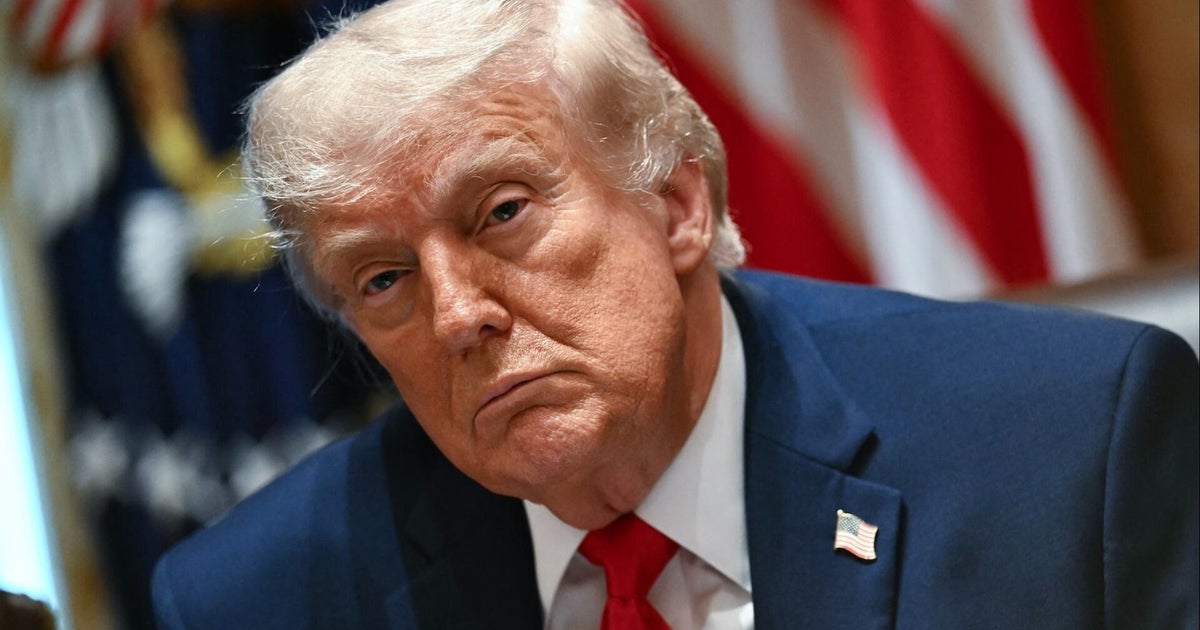
President Donald Trump reiterated at a Cabinet meeting that the Strait of Hormuz, a critical oil shipping route through which about 20% of the world’s oil previously flowed, would remain open to all and that no nation would control it. “The strait is going to be open to everybody,” he said. “Nobody is going to control it.”
In a related move, the Trump administration imposed sanctions on the newly established Persian Gulf Strait Authority, an Iranian agency created to regulate and charge tolls for ships transiting the strait. Treasury Secretary Scott Bessent described the agency as an attempt by Iran to extort global maritime trade amid economic pressures.
Iranian state media claimed that the U.S. had agreed to withdraw forces from areas surrounding Iran and lift its naval blockade in exchange for Tehran restoring shipping traffic to prewar levels within a month. However, the White House rejected this characterization, with President Trump calling Iran’s negotiation efforts “on fumes” and stating, “So far, they haven’t gotten there. We’re not satisfied with it, but we will be — either that or we’ll have to just finish the job.”
These strikes follow earlier U.S. attacks confirmed on Monday, which targeted missile launch sites and Iranian boats allegedly attempting to lay mines. The U.S. Central Command described those as “self-defense strikes” aimed at protecting U.S. troops from Iranian threats. Iran condemned those strikes as a “grave violation of the ceasefire” and vowed to respond decisively to any further hostilities.
The ongoing conflict has persisted for three months, with both sides maintaining a shaky ceasefire while negotiating a potential peace deal. A senior Trump administration official said on Sunday that Iran had agreed in principle to a deal framework involving reopening the Strait of Hormuz in exchange for lifting the U.S. blockade, followed by negotiations on Iran’s nuclear program. Iran reportedly agreed in principle to dispose of its stockpile of highly enriched uranium, though details remain unclear.
The recent U.S. strikes and Iran’s warnings of retaliation add tension to the fragile ceasefire as both nations navigate complex diplomatic and military challenges in the region.





Be First to Comment