Key takeaways:
- The Supreme Court declined to hear Florida's lawsuit against California and Washington over commercial driver's licenses issued to immigrants in the U.S. illegally.
- The lawsuit followed a fatal 2025 crash involving truck driver Harjinder Singh, who allegedly lacked English proficiency and legal status.
- Justices Clarence Thomas and Samuel Alito dissented, supporting Florida's right to sue, while California and Washington defended their licensing processes as compliant with federal law.
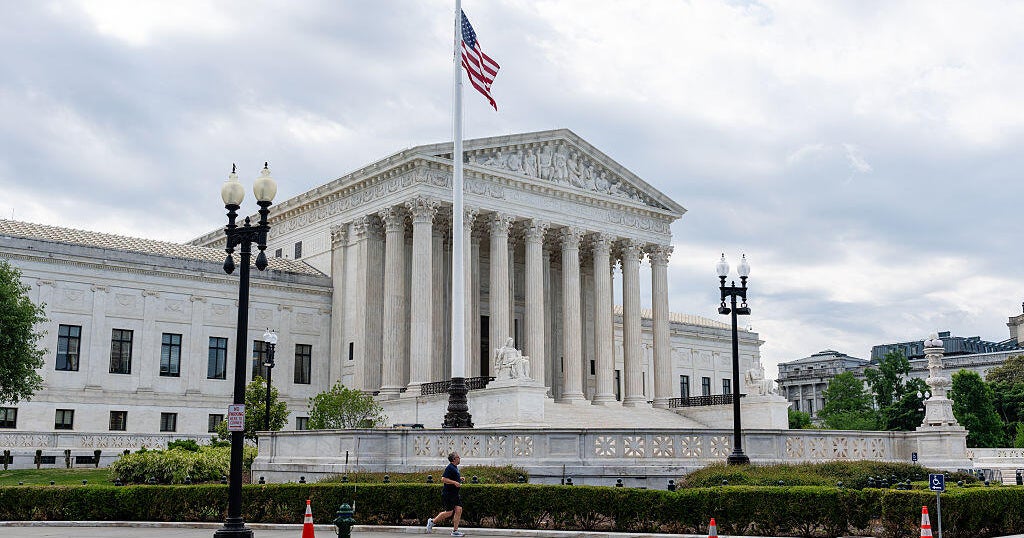
The U.S. Supreme Court on Tuesday declined to hear Florida’s attempt to sue California and Washington for allegedly issuing commercial driver’s licenses to immigrants in the country illegally who lack English proficiency. The lawsuit followed a fatal crash in Florida in August 2025 involving truck driver Harjinder Singh, an Indian national who entered the U.S. from Mexico and attempted an illegal U-turn. Singh faces criminal charges and has pleaded not guilty. State and federal investigations indicated Singh likely could not read road signs. Florida officials and the Department of Homeland Security said Singh obtained commercial licenses from California and Washington.
Florida Attorney General James Uthmeier, a Republican, filed the lawsuit directly with the Supreme Court, accusing the two Democratic-led states of ignoring federal immigration and safety laws by allowing unqualified drivers to operate commercial vehicles. He argued that California and Washington’s policies endangered not only their residents but also people in other states, stating, “California’s and Washington’s decision to endanger their own citizens is reprehensible. But commercial drivers routinely cross state lines, endangering citizens of other States.”
California Attorney General Rob Bonta responded that the state’s Department of Motor Vehicles follows federal guidelines, verifying legal presence through the federal SAVE database and testing English proficiency as required by state law. California officials said Singh was issued a non-domiciled commercial driver’s license after providing an employment authorization document verified federally. Bonta criticized Florida’s claims as based on incorrect assumptions, noting, “DMV requires verification of legal presence and tests for English language proficiency before issuing commercial driver’s licenses.”
Washington officials dismissed Florida’s lawsuit as a “political stunt,” highlighting that Florida itself has licensed thousands of commercial drivers without verifying English proficiency or residency. They emphasized that Washington law requires applicants to pass written and skills tests meeting federal standards and to reside in the state or be federally qualified. Washington also stated Singh did not hold a valid commercial driver’s license from their state at the time of the crash.
The Supreme Court denied Florida’s appeal without comment. However, Justices Clarence Thomas and Samuel Alito dissented, expressing that they would have allowed the case to proceed. Thomas wrote that the court “declines to even hear Florida’s claims, even though it has nowhere else to bring them.”
The case has drawn attention amid the Trump administration’s hard-line immigration policies. In April 2025, President Trump signed an executive order reinforcing federal law requiring commercial truck drivers to be proficient in English. The U.S. Department of Transportation has also sought to withhold federal funds from states that refuse to cancel licenses it deems illegally issued. Following the Florida crash, the administration threatened to cut federal funding to California, Washington, and New Mexico unless they implemented English language requirements for commercial drivers.
Florida’s lawsuit was supported by Iowa and 16 other states, which filed a brief backing the claim. The case highlights ongoing tensions between states over immigration enforcement and commercial driver licensing standards.










Be First to Comment