Key takeaways:
- U.S. Central Command confirmed self-defense strikes on missile launch sites and Iranian boats near the Strait of Hormuz to protect U.S. forces.
- Negotiations between the U.S. and Iran continue, with President Trump demanding Iran's enriched uranium be destroyed under international supervision.
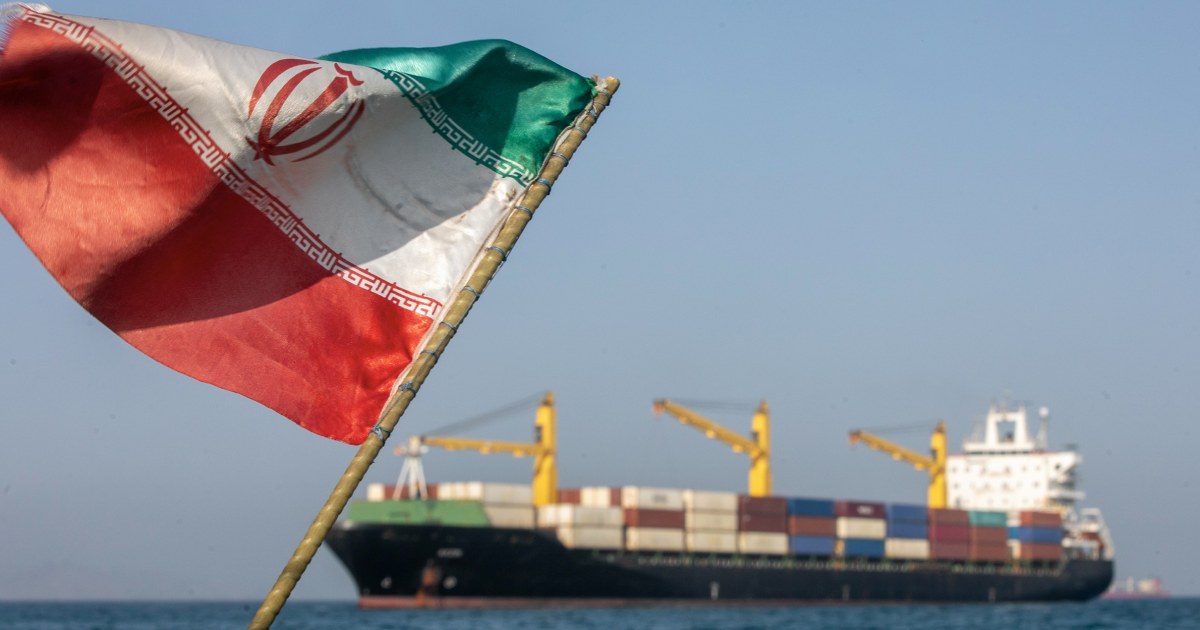
- Iran has allowed 32 commercial vessels to transit the Strait of Hormuz recently, aligning with a draft peace deal to reopen the waterway.
The United States launched self-defense strikes against Iranian targets near the Strait of Hormuz on Monday, according to U.S. Central Command. The strikes targeted missile launch sites and Iranian boats attempting to place mines, with the aim of protecting U.S. forces from threats posed by Iranian forces. Navy Capt. Tim Hawkins, a CENTCOM spokesperson, emphasized that the U.S. continues to defend its troops while exercising restraint during the ongoing ceasefire that has been in place since April 8.
The strikes occurred in Bandar Abbas, southern Iran, near the strategic Strait of Hormuz, a vital maritime passage. Iranian semi-official media reported explosions in the area but stated the situation was under control and there was no cause for concern. Iranian news outlet Tabnak, linked to former Revolutionary Guard chief Mohsen Rezaei, reported that four Guard troops were killed in the U.S. strikes.
These military actions come amid ongoing negotiations between the U.S. and Iran aimed at ending the conflict that escalated after U.S. and Israeli strikes against Iran on February 28. President Donald Trump has described the deal as “largely negotiated” but has warned that he will either sign a “great and meaningful” pact or no deal at all. Secretary of State Marco Rubio, speaking from India, said that a deal remains possible within days despite the recent strikes, noting that talks in Qatar are ongoing to finalize specific language in the agreement.
A key sticking point in the negotiations remains Iran’s stockpile of highly enriched uranium. President Trump reiterated on social media his demand that the uranium be either turned over to the United States for destruction or destroyed in Iran under international supervision by the International Atomic Energy Agency or an equivalent body. A senior White House official told NBC News that this position is consistent with previous U.S. demands.
Iran has acknowledged progress on many points but cautioned that the signing of a deal is not imminent, citing “frequent changes” and contradictions from the U.S. side as obstacles. Iranian officials, including the secretary of the Supreme National Security Council, have called for national unity and warned that there will be no retreat in the conflict, asserting their readiness to deliver a “decisive and deterrent response” to any attack.
Meanwhile, Iran has reportedly permitted 32 more commercial vessels to transit the Strait of Hormuz in the past 24 hours, including five large oil tankers requiring expedited passage, according to Iranian state media. This development aligns with reports of a draft peace deal that would see Iran immediately reopen the vital waterway and restore maritime traffic to pre-war conditions within 30 days.
The conflict has also affected regional dynamics, with Israeli Prime Minister Benjamin Netanyahu ordering an escalation of military operations against Hezbollah in southern Lebanon. Despite a ceasefire that began on April 17, exchanges of fire continue between Israel and the Iran-backed group. Israeli airstrikes have targeted multiple locations in Lebanon, resulting in casualties and prompting evacuation orders for several villages.
Oil prices responded to the potential for a peace deal by dropping nearly 7% on Monday, with Brent crude futures falling to $96.30 a barrel. The reopening of the Strait of Hormuz, a critical chokepoint for global oil shipments, is seen as a key factor in stabilizing energy markets.
In other developments, Iran’s sports minister expressed confidence that the country’s national soccer team will receive visas to participate in the upcoming World Cup hosted by the U.S., Canada, and Mexico, despite the ongoing conflict. FIFA has reportedly assured Iran that all players will be granted visas, and the team plans to base itself in Tijuana, Mexico during the tournament.
Human rights groups report that Iran has continued executing individuals accused of involvement in protests and opposition activities, with at least 78 people under sentence of death. The latest execution was of Abbas Akbari, accused of attacking an official building during protests earlier this year. Amnesty International and Iran Human Rights have condemned the executions as efforts to instill fear and suppress dissent.
As negotiations continue, Secretary of State Rubio reiterated that the Strait of Hormuz must reopen “one way or the other,” calling the blockade “unlawful” and “unsustainable.” The U.S. remains engaged in talks while maintaining military readiness in the region.






Be First to Comment