Key takeaways:
- The United Kingdom Maritime Trade Operations center said a projectile hit the tanker’s port side near Limah, Oman, as it traveled toward the Gulf of Oman.
- Iranian state television said the LNG tanker ignored warnings, but Iran did not directly claim responsibility for the strike.
- Talks between Iran and the United States appear to be on hold until after the burial of late Supreme Leader Ayatollah Ali Khamenei.
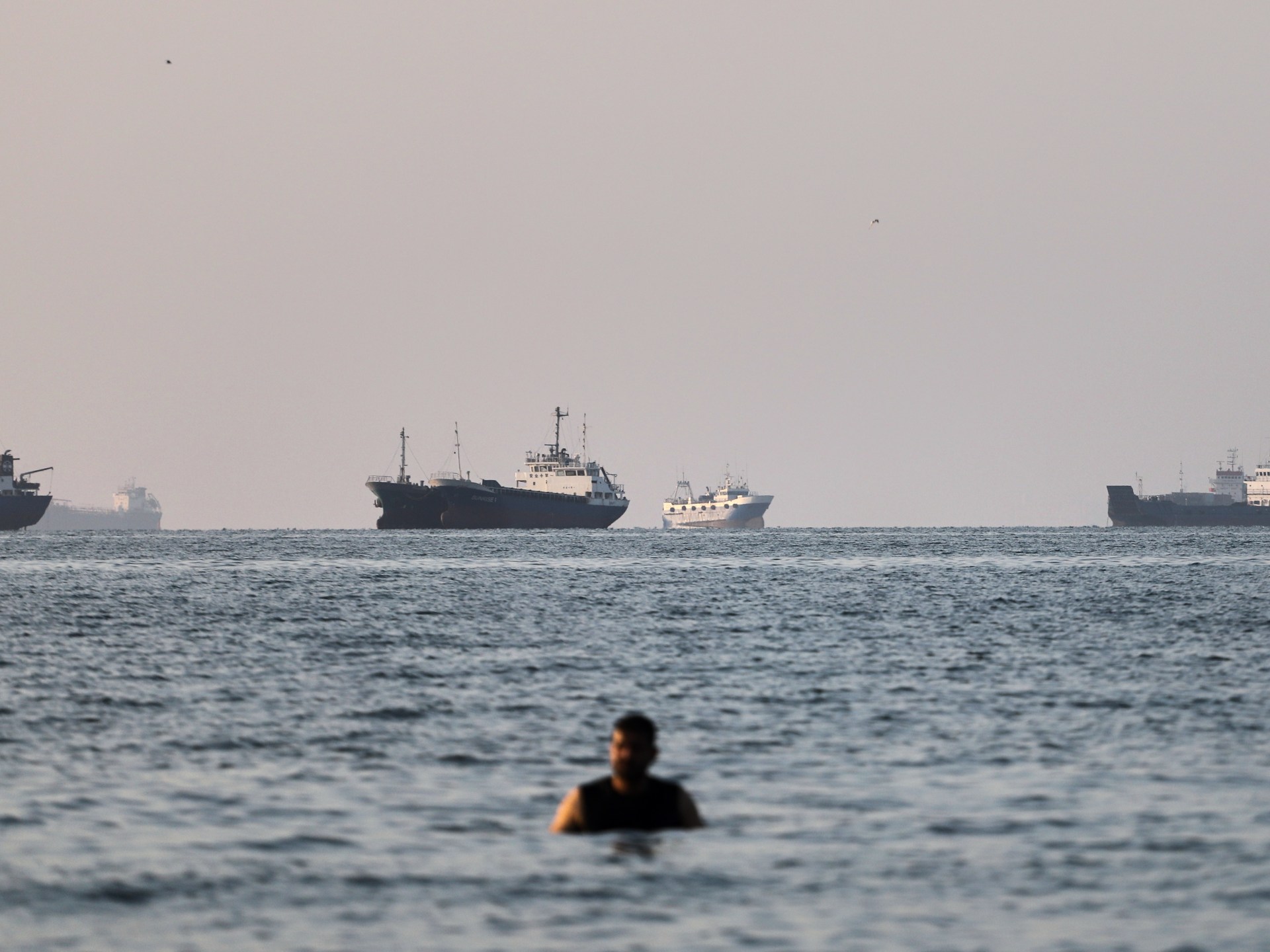
A tanker caught fire early Tuesday after a projectile struck it in the Strait of Hormuz off Oman, the British military said, in the latest attack on shipping in one of the world’s most important energy corridors.
The United Kingdom Maritime Trade Operations center said the vessel was hit near Limah, Oman, while traveling south out of the strait toward the Gulf of Oman. The projectile struck the tanker’s port side, the center said. It reported no environmental impact from the strike and said authorities were investigating.
Iranian state television said the liquefied natural gas tanker had ignored warnings before it came under attack, but Tehran did not directly claim responsibility. NPR reported that Iranian state TV, citing anonymous sources, implied Iran carried out the assault on a tanker it said was carrying natural gas from Qatar.
The Strait of Hormuz, the narrow mouth of the Persian Gulf, has long been a critical passage for energy shipments. Before the war that began Feb. 28, about a fifth of the world’s traded oil and natural gas passed through the waterway, according to the reports.
Tehran has repeatedly said only its approved route through the strait is safe. It is suspected of attacking other vessels that used a route closer to the Omani shore. Iran’s joint military command warned last Thursday that all oil tankers moving through the strait must use its approved routes and said interference by U.S. forces in the strait “will be met with a rapid and decisive reaction.”
The attack comes as the United States seeks to continue negotiations with Iran aimed at fully reopening the strait, rolling back Tehran’s disputed nuclear program and reaching a permanent end to the war. Those talks appear to be on hold until after the burial of Iran’s late Supreme Leader Ayatollah Ali Khamenei, who was killed at the beginning of the conflict.
Previous attacks in the strait have led to U.S. retaliatory strikes, followed by Iranian attacks on Gulf Arab states, raising concerns about further escalation. President Donald Trump warned Iran at the White House on Monday that it should “make a deal or we’re going to finish the job.”
“I’d rather make a deal, because I don’t want to affect 91 million people,” Trump said. “We can knock down their bridges in one hour. We can knock out their energy supply.”
As part of an interim arrangement, Iran and the United States agreed to allow ships to pass without paying charges for 60 days. But Tehran insisted it must control vessel routes and later charge fees for passage, a demand the U.S. and many Gulf Arab states oppose. NPR reported that an effort by Oman and a United Nations agency to open a new route near Oman’s shore earlier sparked attacks across the region. The data firm Kpler said at least 108 ships crossed the strait over the weekend using various routes.
In Iran, state television aired live helicopter images Tuesday showing hundreds of thousands of mourners walking toward Jamkaran Mosque, south of Qom, for funeral services for Khamenei. His body had been flown overnight to the Shia seminary city, where mourners honored him.
Images of Khamenei and his son, Iran’s new Supreme Leader Ayatollah Mojtaba Khamenei, appeared on banners and posters. NPR reported that Mojtaba Khamenei has not appeared during the ceremonies and is believed to be in hiding after reportedly being wounded in the airstrike that killed his father.
Authorities have shut down streets, airspace and daily life for the mourning period, which began Saturday and is scheduled to end Thursday with Khamenei’s burial at the Imam Reza shrine in Mashhad, his birthplace. He was 86.




Be First to Comment