Key takeaways:
- Qatari and Pakistani mediators said U.S.-Iran talks would resume “at the earliest possible time” after Khamenei’s funeral commemorations.
- Khamenei’s funeral programme is scheduled across Iran and Iraq through July 9, ending with burial at the Imam Reza shrine in Mashhad.
- Iranian authorities say 15 million to 20 million mourners and representatives from 30 countries are expected to attend the funeral events.
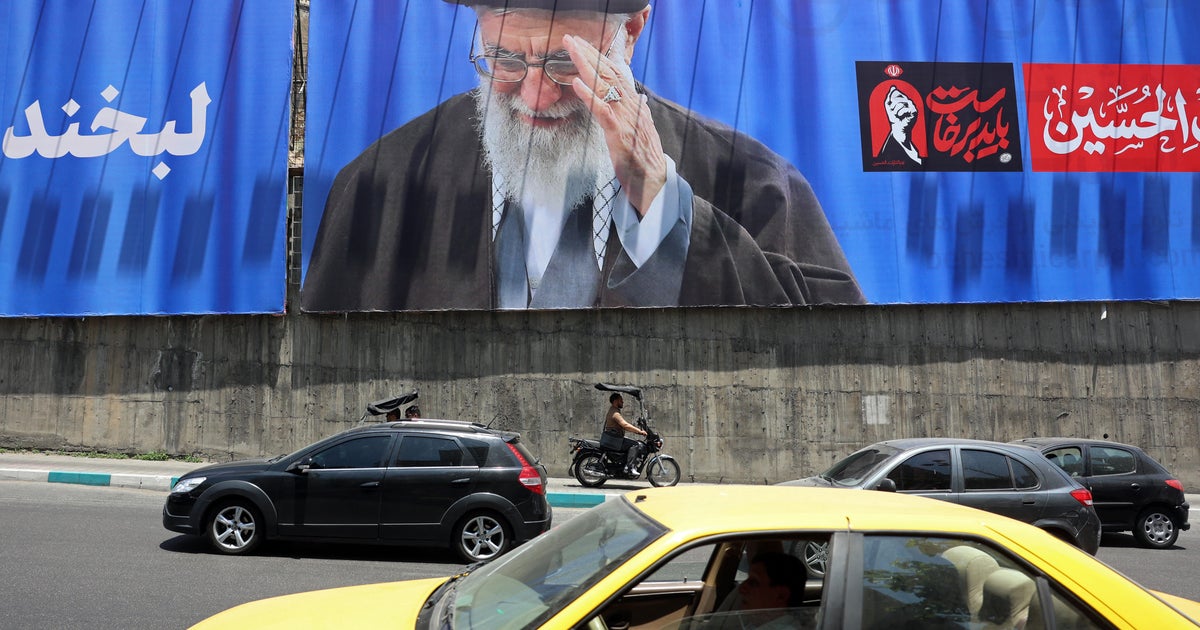
Iran began a week of funeral rites for Ayatollah Ali Khamenei as U.S.-Iran talks paused, with mediators and President Trump saying negotiators had made progress toward a possible settlement after months of war.
Khamenei, 86, was killed with several family members in a joint U.S.-Israeli airstrike on his compound on Feb. 28, the first day of the war, according to Al Jazeera. His burial, initially scheduled for March, was postponed as the conflict continued.
Qatari and Pakistani mediators said Thursday that the next meetings between Iranian and U.S. negotiators would be scheduled “at the earliest possible time” after the funeral commemorations. The mediators said “positive progress was made” in talks held through intermediaries in Doha. Trump also described movement in the negotiations, telling reporters Wednesday that “the denuclearization of Iran is moving along well.”
In a CNBC interview, Trump said, “This is not a war per se. This is the de-nuking of Iran.” He added of negotiations with Iran, “I think they’ve agreed to just about everything we need.” CBS News reported that the exact contours of a potential nuclear deal remain unclear. Trump has said he wants Iran to give up all uranium enrichment, a demand Iran has rejected in the past.
The funeral programme runs through July 9 across Iran and Iraq. Iranian state media reported that Khamenei’s body arrived early Friday local time at Tehran’s Grand Mosalla religious complex, where public farewells are planned. Al Jazeera reported that global leaders, senior officials, religious figures and scholars were expected to pay respects in Tehran at the start of the ceremonies, followed by public events on July 4 and 5.
Iranian authorities say 15 million to 20 million people and representatives from 30 countries are expected to attend. Iran’s chief negotiator on Thursday urged Iranians to avenge Khamenei’s killing by turning out en masse for the funeral events, CBS News reported.
The processions are scheduled to move through other parts of Tehran and then to Qom on July 6 and 7. On July 8, Iranian and Iraqi officials say an official reception will be held at Najaf International Airport, followed by public processions in Najaf and Karbala. The body is then due to return to Iran for burial July 9 at the shrine of Imam Reza in Mashhad, Khamenei’s birthplace and Iran’s holiest city.
The funeral is also the first major state ceremony under Khamenei’s son and successor, Ayatollah Mojtaba Khamenei, who has remained out of public view since the war began. CBS News reported it remains unknown whether he will attend the ceremonies. The outlet also reported that Mojtaba Khamenei was wounded in the Feb. 28 Israeli strikes that killed his father.
Ahead of the funeral, Gen. Ahmad Vahidi, who leads Iran’s paramilitary Revolutionary Guard, appeared in public after weeks out of sight. Iranian state media published photos showing him at a meeting about the funeral and sitting near Khamenei’s casket during a smaller service Thursday night near the late leader’s former home in downtown Tehran. CBS News reported that experts say Vahidi has become a major figure in shaping Iran’s negotiating stance.
Tensions remain over the Strait of Hormuz and the U.S. military presence in the region. Iranian Foreign Minister Abbas Araghchi, a top official in the negotiations, wrote on X: “Has CENTCOM brought security or insecurity to our region? The answer is clear.” He added, “Peace in our region can only be sustained when comprehensive and inclusive, with no outside interference.”
Hamidreza Haji-Babai, deputy speaker of Iran’s parliament, told the state-owned IRNA news agency that “the United States must respect the power of the Islamic Revolutionary Guard Corps” in the Strait of Hormuz. CBS News reported the U.S. has repeatedly said Iran will not be allowed to charge tolls for use of the waterway.
Ship traffic through the strait has rebounded but remains well below prewar levels. Lloyd’s List Intelligence said at least 258 ships passed through last week, up from 138 the previous week, though before the war about 130 vessels crossed daily.






Be First to Comment