Key takeaways:
- The defence investment plan promises £15bn in additional spending but leaves a £4.7bn gap to be addressed in a later budget.
- Burnham said he had not been involved in all discussions but pledged “no compromise on the security of the nation.”
- Luke Pollard said Burnham learned of the funding hole on the day the plan was published, while Dan Jarvis said the government had been speaking with Burnham’s team.
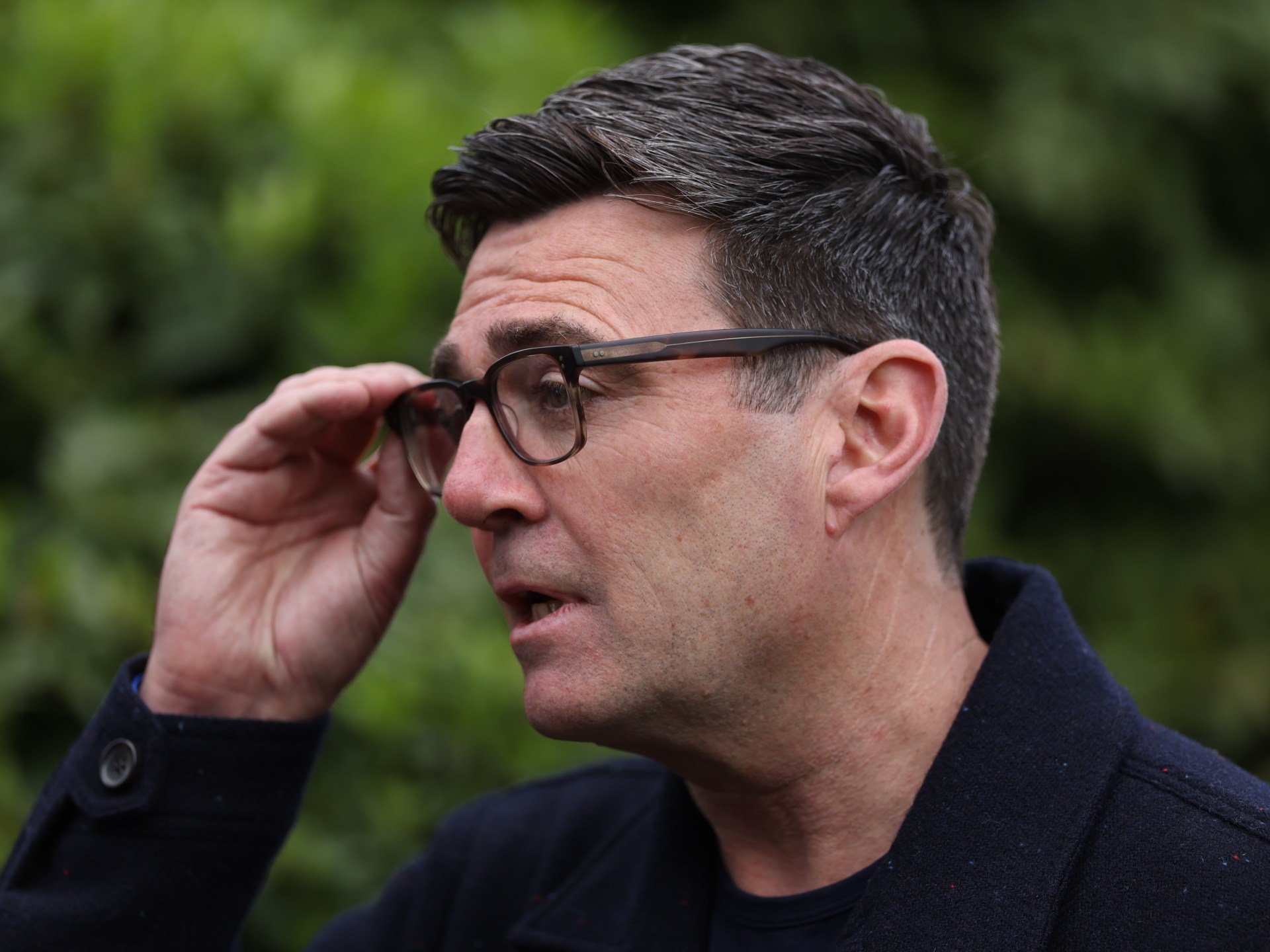
Andy Burnham said he would take “extremely seriously” the task of funding the UK’s new defence investment plan, after documents showed the programme leaves a £4.7bn gap for the next prime minister to fill.
The plan, published Tuesday by Prime Minister Keir Starmer, promises a £15bn boost to defence spending as the government seeks to make the UK’s armed forces more ready for war amid rising security threats. Al Jazeera reported that the plan followed warnings that Russia could attack a NATO member as soon as 2030.
But the announcement came under scrutiny within hours after accompanying documents showed that almost a third of the new money still needs to be found in a budget later this year. Burnham, the Makerfield MP and former mayor of Greater Manchester, is the only candidate in the race to replace Starmer and is expected to take over as prime minister on 20 July.
Asked on LBC whether he had known about the funding gap before the plan was published, Burnham said he had not seen all of the details.
“I wasn’t in all of the discussions, but to be fair, the government had had an internal process ongoing,” he said. “I regard it as something that the country has to face up to very seriously. We’re in a changing world. The nature of the threat is changing.”
He added: “What I can say to you tonight is I will take my responsibilities fully to fund the defence investment plan, if I am in the position to do so, I will take those responsibilities extremely seriously.”
Burnham also said there would be “no compromise on the security of the nation.”
Defence Secretary Dan Jarvis and other ministers have faced questions about whether Burnham was told he would inherit a funding shortfall. Minister of Defence Procurement Luke Pollard said Wednesday that Burnham learned of the hole on the day the plan was published.
“It’s not unusual for governments to make announcements saying this is what we’ll spend, and then to complete the details of that at the next budget,” Pollard told Sky News.
Jarvis did not directly answer repeated questions on BBC Newsnight about whether Burnham had been told he was being left with a gap, saying the government had been speaking to Burnham and his team and pointing to Starmer’s focus on a “smooth transition” of power.
“I know that if Andy Burnham becomes the prime minister … that he will take national security as seriously as Keir has taken it,” Pollard said. He later told BBC Radio 4’s Today programme he was “not involved with those conversations” when asked when Burnham had been informed of the financial details.
Conservative leader Kemi Badenoch accused Starmer of “leaving this mess to his successor” and asked whether Burnham had agreed to fund the shortfall. Opposition politicians and former military chiefs also criticised the plan for not setting out when defence spending would reach 3% of GDP, on the way to the UK’s NATO commitment to spend 3.5% of GDP by 2035.
Starmer defended the costings Tuesday, saying much of the extra money would come from reallocating spending from other government departments.
In his first media interview since launching his bid for prime minister, Burnham also rejected criticism of his approach to the economy. He said he would not be “indisciplined” with public finances, citing his record as Greater Manchester mayor and his previous work in the Treasury.
Asked whether he would stick to Labour’s 2024 manifesto pledge not to raise taxes on “working people,” including National Insurance, income tax and VAT, Burnham said: “I stick by the manifesto and the promises that it made. So, let me be absolutely clear about that, but there is some room within that manifesto for movement on tax.”
He said one option could be raising business rates on warehouses and major developments to reduce them for pubs and some high street businesses. On welfare, Burnham said he would not make “crude cuts to benefit levels that just put people who are struggling in even worse poverty,” and instead pointed to education changes, work placements for 16-year-olds and mental health support for people in work as ways to reduce the benefits bill.



Be First to Comment