Key takeaways:
- The UK defence budget will rise by £15bn over four years, bringing total defence spending to almost £300bn over that period.
- The plan includes more than £64bn for the nuclear deterrent, more than £5bn for drones and autonomous systems, and more than £8bn for the Global Combat Air Programme.
- The Treasury has identified £10.3bn in savings so far, with £4.7bn still to be confirmed at the next Budget.
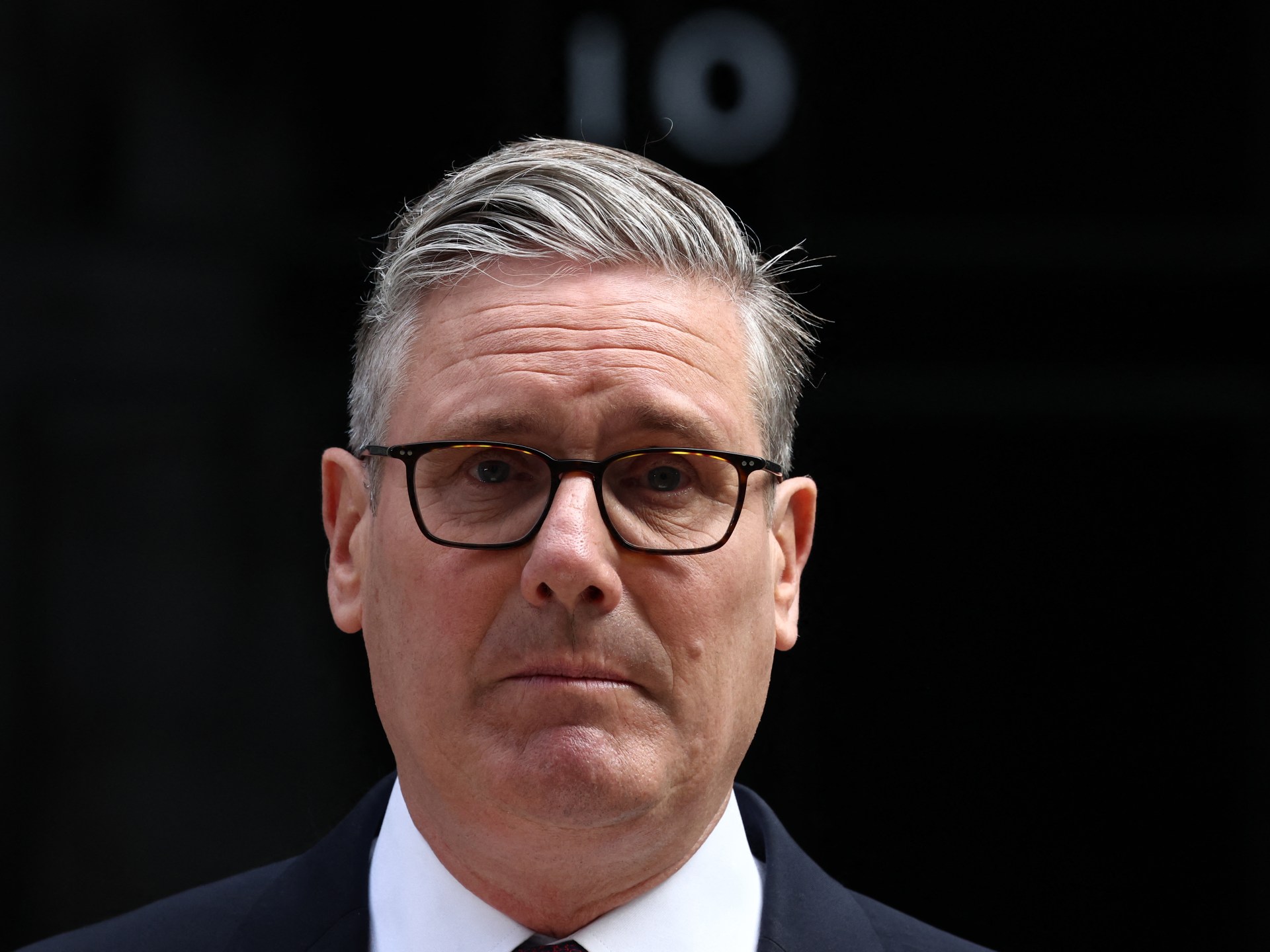
Prime Minister Keir Starmer has announced a £15bn increase in UK defence spending over the next four years, saying the money will come from cuts to investment budgets across government rather than new borrowing.
The plan, released Tuesday after months of delay and internal Labour tensions, would lift annual defence spending to almost £80bn by 2029 and bring total defence spending over the next four years to nearly £300bn. Starmer said the defence investment plan would modernise Britain’s armed forces at a time of rising threats and reverse what he called the “corrosive hollowing out” of the military under the Conservatives.
“Last year I made the decision in the national interest to reprioritise aid spending towards defence and achieved the biggest uplift in defence spending since the end of the Cold War,” Starmer said, according to Al Jazeera. “That was the right choice because the world has changed. National security is economic security.”
He added: “Today we uplift defence spending further – an additional 15 billion pounds worth of funding – by … reprioritising spending across government.”
Starmer said he had ruled out further borrowing. Instead, the government plans to cut long-term investment budgets in other departments by 1%. He said some road and energy projects would not “go ahead as planned.” The Department for Transport is making a further £700m in savings from roads projects, while the Department for Energy Security and Net Zero is finding an additional £2bn from its budget.
The Treasury later confirmed that only £10.3bn in savings had been identified so far, with the remaining £4.7bn to be set out at the next Budget, the BBC reported.
The package includes more than £64bn to strengthen the UK’s nuclear deterrent, including new submarines and F-35A fighter jets capable of carrying nuclear bombs. It also commits more than £5bn to a “drone transformation” for the armed forces and more than £8bn for the Global Combat Air Programme, a project with Japan and Italy to build the next generation of RAF stealth jets.
The Royal Navy is set to become what the plan calls a “hybrid navy,” using self-controlled vessels and artificial intelligence alongside warships and aircraft, with funding for six new warships. The Royal Air Force will develop autonomous fighter jets and bring its “uncrewed electronic warfare drone system” into service in 2026.
The Ministry of Defence also aims to make almost £11bn in efficiency savings by 2030 by reducing the civil service workforce, cutting consultancy spending and expanding technology use. Defence officials say the spending increase is not conditional on those savings. Several programmes are being scrapped, including Storm Shadow missiles, a new satellite system and Wildcat utility helicopters, which will be phased out in favour of an “autonomous replacement.”
The plan follows the Strategic Defence Review published in June 2025, which called for a shift toward “warfighting readiness.” Starmer said the defence budget would rise to 2.7% of gross domestic product by 2029 and put the UK on track to meet NATO’s core defence spending target of 3.5% of GDP by 2035. He also said the UK was on track to spend 3% of GDP on defence in the next five-year Parliament, though he did not give a specific date.
The announcement comes in Starmer’s final weeks in office after he announced his resignation last week. Al Jazeera reported he is expected to leave office next month after losing the support of Labour MPs. Andy Burnham is widely expected to succeed him and could take power as early as July 20, according to Al Jazeera. Starmer said future governments could “build” on the blueprint.
The spending increase is larger than the £13.5bn secured by former Defence Secretary John Healey, who resigned earlier this month in protest at the plans, but below the £28bn sought by defence chiefs. Armed Forces Minister Al Carns also quit over the proposed uplift. Healey said the plans risked making Britain “less safe,” Al Jazeera reported.
General Sir Richard Barrons, one of the authors of the defence review, said publication of the plan “does count as progress” but would not “crack the issue” of defending the UK “sufficiently well and quickly.” He said: “More has to be done sooner and that requires more money than is currently on the table.”
Shadow defence secretary James Cartlidge called the plan an “underfunded defence investment plan that’s too little, too late.” Liberal Democrat leader Ed Davey said the government had “dangerously short-changed our armed forces.”
NATO Secretary General Mark Rutte welcomed the plan as a “good step” toward the 3.5% target, saying “stronger UK defence makes us all safer.”








Be First to Comment