Key takeaways:
- The White House accused more than 40 countries, including Canada, Mexico, India, Japan and South Korea, of helping China evade U.S. tariffs through transshipment.
- The report cited estimates that between $30 billion and roughly $300 billion in goods have been routed from higher-tariff countries through lower-tariff countries.
- China’s embassy in Washington said it opposes U.S. tariff measures and warned that actions on transshipped goods must not harm third parties.
The White House accused more than 40 countries of helping China dodge U.S. tariffs by routing exports through lower-duty nations, alleging in a report Thursday that the practice has cost the United States tens of billions of dollars in revenue and harmed American workers.
The report said Chinese goods have entered the United States through what it called a “shadow” transshipment network, with products allegedly relabelled, repackaged or re-invoiced to conceal their origin and qualify for lower import duties. The countries named include Canada, Mexico, India, Japan and South Korea. Al Jazeera reported that the White House also identified the European Union among China’s biggest enablers and said Southeast Asian countries including Indonesia, Thailand, Malaysia and Cambodia play “an important role” in the network.
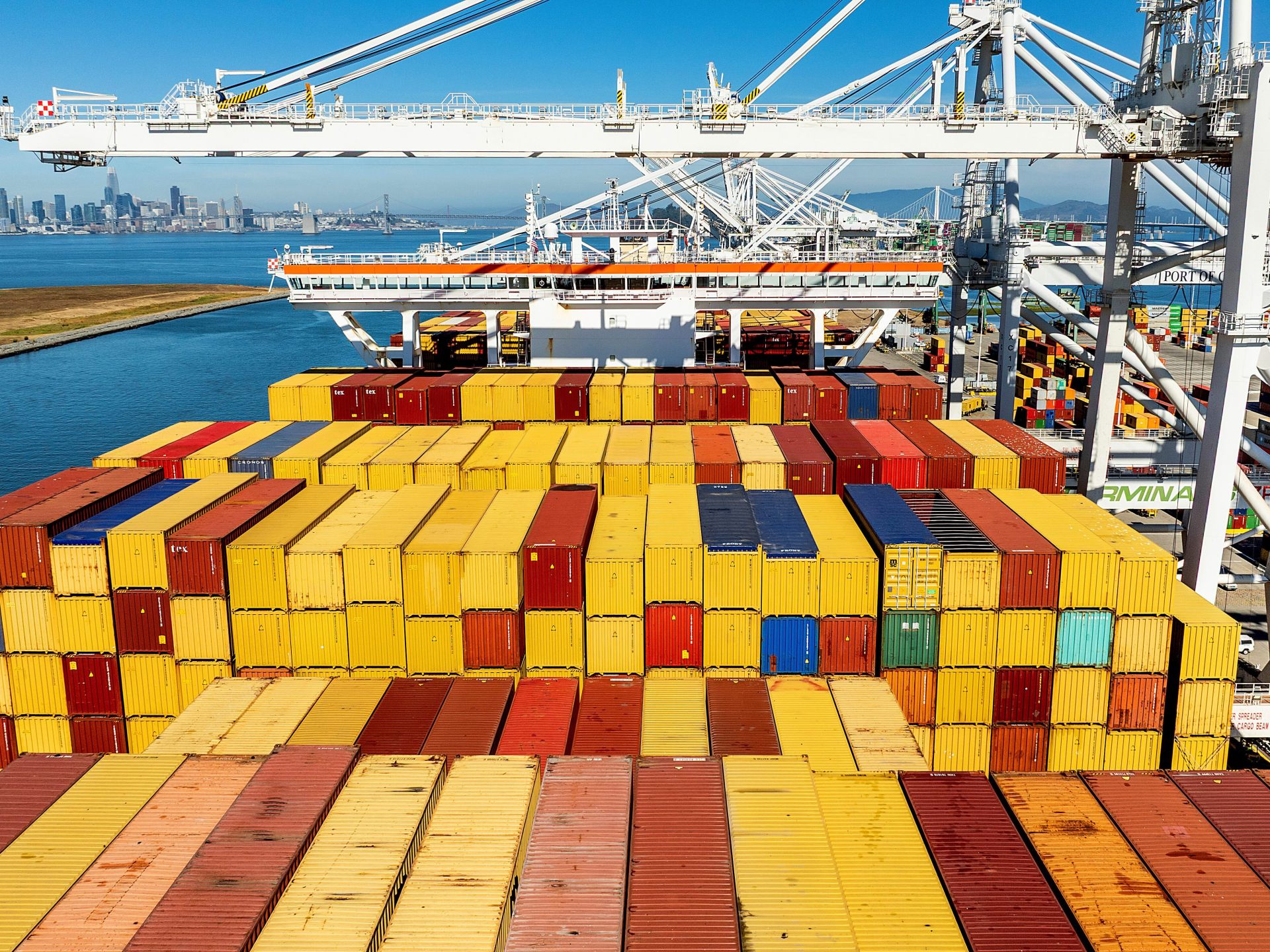
Transshipping refers to moving cargo through another country on the way to its final destination. The White House said China has used third countries as stopovers to hide the real origin of goods, describing the practice as “fraud cloaked in paperwork.”
“What has changed in today’s Great Transshipment Scam is not merely the speed and scale of this modern form of smuggling, but the breadth, depth, and sophistication of the global Shadow Transshipment Network through which China’s tariff evasion now moves,” the White House wrote.
White House trade adviser Peter Navarro said the alleged activity had cost “American jobs and billions in revenue.” The Office of Trade and Manufacturing Policy, which Navarro heads, said in the report: “Every dollar lost to this Great Transshipment Scam is a dollar stolen from American workers, manufacturers, and taxpayers.”
The White House cited government and private-sector estimates saying between $30 billion and roughly $300 billion in goods have been moved from higher-tariff countries through lower-tariff countries. Al Jazeera reported that the administration said the alleged transshipments deprived government coffers of tens of billions of dollars in annual revenue.
U.S. manufacturing sectors hit hardest include electrical equipment, integrated circuits, aluminum products and motor components, according to the report cited by Al Jazeera.
China rejected the U.S. tariff measures. A spokesperson for the Chinese embassy in Washington told the BBC that “trade wars have no winners” and said Beijing opposes the use of state power to target Chinese companies. “Any unilateral actions or agreements concerning transshipped goods must not target or harm the interests of third parties,” the spokesperson added. Al Jazeera said China’s embassy did not immediately respond to its request for comment sent outside regular office hours.
The White House said countries facilitating transshipments are being “put on notice” and that U.S. border authorities have deployed artificial intelligence tools to integrate shipment data and other information as part of stepped-up enforcement. “The message to the world is simple. The age of untraceable illegal transshipment is over,” the trade office said.
The report comes amid continuing trade tensions between Washington and Beijing and weeks before President Donald Trump is expected to meet Chinese leader Xi Jinping in Washington, according to the BBC. The BBC reported that the two sides have continued to exchange sanctions despite a pause in most tariffs following talks in May 2025, including restrictions on humanoid robots shipped to the U.S. and tighter Chinese curbs on drone exports.
Analysts said the report could become part of U.S. negotiating strategy. Chang Pao Li, an associate professor of economics at Singapore Management University, told the BBC that Washington may argue China has preserved access to the U.S. market indirectly and that any trade settlement must address third-country routing as well as direct exports. Amitendu Palit, a professor at the National University of Singapore, told Al Jazeera the report was part of an effort to pressure countries into accepting greater market access for U.S. goods.
The countries named in the White House report have not publicly responded to the allegations, Al Jazeera reported. The BBC said it contacted U.S. embassies of several listed trading partners for comment.








Be First to Comment