Key takeaways:
- Canada selected Germany’s TKMS, in a joint bid with Norway, to build up to 12 submarines after competition with South Korea’s Hanwha Ocean.
- The government has not disclosed the deal’s value, while The Globe and Mail estimated 20 billion to 30 billion Canadian dollars for the submarines and up to 40 billion to 50 billion Canadian dollars including operations, maintenance and upgrades.
- Canada says only one in four of its current submarines is seaworthy, and the new conventionally powered fleet will have under-ice capabilities.
Canada has selected Germany’s TKMS to build a new fleet of up to 12 submarines, launching the largest defence procurement in the country’s history as Ottawa seeks to strengthen its military presence in Arctic and coastal waters.
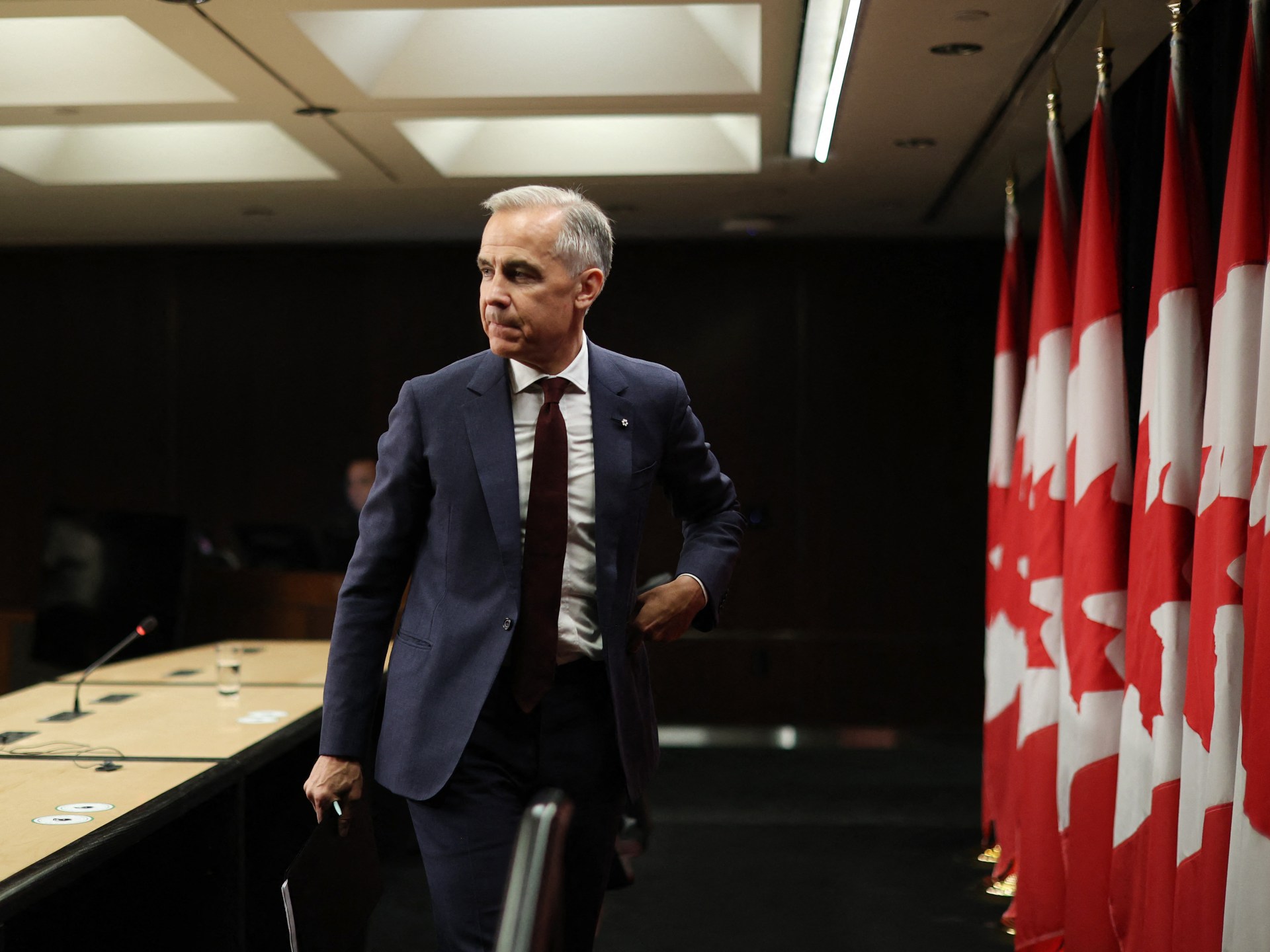
Prime Minister Mark Carney announced the decision Monday in Halifax, Nova Scotia, shortly before departing for a NATO leaders summit in Turkiye, where alliance members are expected to face pressure to show they are increasing defence investment.
“In a more dangerous and divided world, Canada must be prepared to defend our interests, protect our citizens, build our economy, and secure our future,” Carney said. “To that end, we are making the largest defence procurement in our nation’s history with speed, ambition, and discipline.”
Carney said Canada would enter negotiations with TKMS, a German-owned naval shipbuilder majority-owned by Thyssenkrupp, to finalize the contract. The government did not disclose an estimated value for the deal. Al Jazeera reported that Canada has said the contract will be finalized by the end of next year at the latest, with the first four submarines expected by 2034. Reuters reported that TKMS’s chief executive has said he would like to see the contract completed by the end of this year.
The Globe and Mail put the contract at 20 billion to 30 billion Canadian dollars, or $14 billion to $21 billion, for the submarines themselves, and as much as 40 billion to 50 billion Canadian dollars, or $28 billion to $35 billion, for operations, maintenance and upgrades.
TKMS, described by the BBC as the world’s largest non-nuclear submarine manufacturer, submitted its bid jointly with Norway. It beat South Korea’s Hanwha Ocean after months of competition. Germany, Norway and Canada are all NATO members.
“Together with our German and Norwegian Allies, we will build at speed and scale to expand our strategic capabilities and create greater strategic autonomy,” Carney said. “We will build this fleet to build Canada strong.”
Canada currently owns four submarines, but the government says only one in four is seaworthy. The new conventionally powered submarines are intended to replace the aging Victoria-class vessels, which Canada bought in 1998, and will have under-ice capabilities.
The fleet is central to Ottawa’s push to bolster maritime sovereignty, particularly in the Arctic. Canada has the world’s longest coastline, and the government has raised concerns that warming Arctic waters could open new routes and create new vulnerabilities.
“This project is about much more than acquiring submarines,” Carney said. “It builds Canadian industrial capacity.”
The announcement also gives Carney a major defence spending milestone before the NATO summit. Since taking office, he has raised Canada’s defence spending to 2 percent of gross domestic product and committed to reaching 5 percent by 2035, in line with NATO countries’ agreement to increase defence and security-related investments. U.S. President Donald Trump has pressed NATO members to spend more on defence.
David Perry, president of the Canadian Global Affairs Institute, told the BBC the submarine decision gives Carney “significant credibility” in showing Canada is increasing defence spending. “He committed to move the project on a very expedited schedule – astonishingly fast by Canadian standards, and appears to have delivered,” Perry said.
Perry said the new vessels would provide a “massive increase” in Canada’s maritime capabilities. “It should allow for a fleet of three submarines being reliably operational at any given time,” he said. “That’s a huge increase in capability over one occasionally operational submarine, which has been our reality for several years.”
TKMS has said its bid offered Canada “a low-risk, Nato-aligned, and economically transformative solution” that includes shared maintenance and repair, training, logistics and operations. Its shares closed the day up 11 percent, Al Jazeera reported.





Be First to Comment