Key takeaways:
- Gen. Francis Donovan said roughly 2,000 U.S. service members are operating on land, air and sea around Venezuela to support earthquake relief.
- Venezuelan officials reported more than 2,000 deaths and over 10,000 injuries, with Al Jazeera reporting a toll of at least 2,295 dead and more than 11,000 injured.
- Aid workers and medical experts warned that overcrowded shelters, poor sanitation and untreated injuries could lead to infections and disease outbreaks.
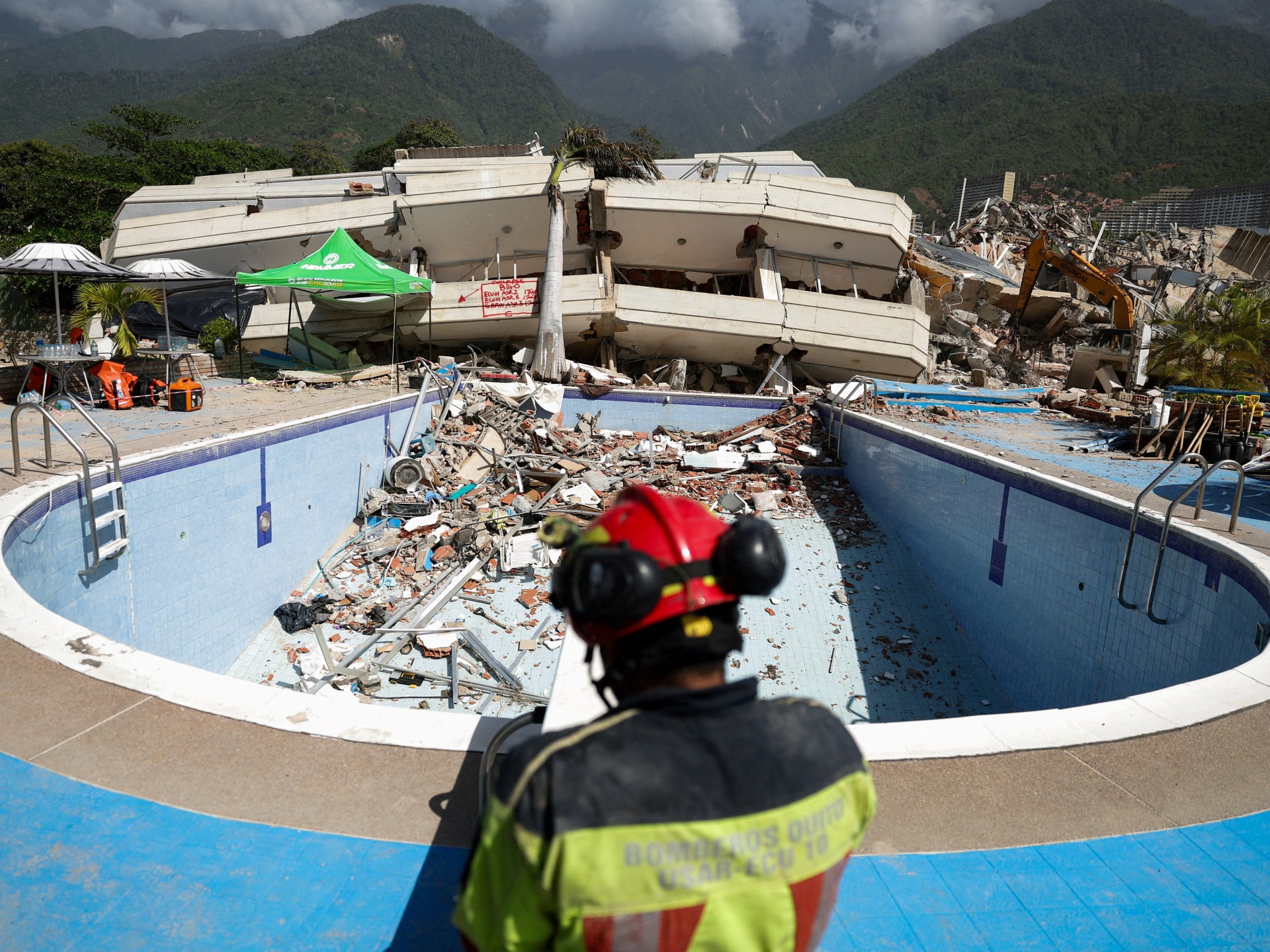
About 2,000 U.S. service members are supporting relief operations around Venezuela after twin earthquakes killed more than 2,000 people, injured more than 10,000 and left aid workers warning of disease risks in crowded shelters with limited clean water and sanitation.
Gen. Francis Donovan, head of the U.S. military’s Southern Command, said Wednesday that American forces were operating by land, air and sea as rescue crews searched for survivors on the seventh day after the quakes.
“The U.S. military, the Department of War, has roughly 2,000 teammates in the area on land, air and sea around Venezuela,” Donovan said at a briefing, according to CBS News. “They are working hard daily to help in the search and rescue efforts, to help in the recovery efforts to deliver needed supplies.”
Donovan said the immediate focus remained finding people alive beneath collapsed buildings. “In these situations, you have anywhere from 3 to 7 days that you have to respond to hopefully recover people that are still living and maybe injured in the rubble,” he said.
Venezuelan officials gave slightly different casualty figures Wednesday. CBS News reported the government said more than 2,000 people had died and more than 10,000 were injured. Al Jazeera reported officials put the toll at at least 2,295 dead and more than 11,000 injured after the June 24 earthquakes.
The 7.2- and 7.5-magnitude quakes have displaced thousands of people, many of whom are sleeping outdoors or in temporary shelters. Medical workers said untreated injuries and poor sanitary conditions could deepen the disaster.
“The issue we foresee just around the corner is the infections that patients who have been exposed to the disaster for the longest time might bring,” Eugenio Cova, head of the trauma unit at Hospital Jose Gregorio Hernandez in Caracas, told Al Jazeera. “We’ve already gone through a period of complex trauma – which will continue to occur – but now, it’s complicated by infections.”
Al Jazeera correspondent Teresa Bo, reporting from a shelter site in La Guaira, said residents were seeking portable toilets and government help to reduce overcrowding. “There’s been lots of reports among the population here with diarrhoea and other diseases,” she said.
U.S. assistance includes a coordination cell to transport humanitarian aid, a specialized Army medical unit providing surgical support and a Marine logistics company equipped with a water purification system, a mobile potable water container and a military-grade tow truck, according to U.S. Southern Command. John Barrett, the chargé d’affaires at the U.S. Embassy in Caracas, said the U.S. military helped fly in about 310 urban search-and-rescue specialists, who have rescued five survivors, including a mother and her toddler.
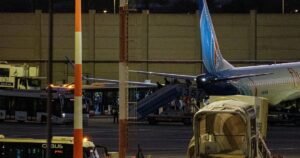
Al Jazeera, citing a Southern Command spokesperson who spoke to The Associated Press, reported that about 900 U.S. military personnel were on the ground in Venezuela as of Wednesday, with naval vessels stationed off the coast and an earthquake-damaged runway at the main international airport serving Caracas repaired to allow humanitarian aid flights. The spokesperson also said 100 State Department personnel had been sent to support the effort.
Barrett said the United States has provided more than $300 million in humanitarian assistance since the disaster. Al Jazeera reported the Trump administration offered $300 million through aid groups and the United Nations, while material damage was estimated at more than $6.7 billion by satellite analysis from the UN Development Programme.
About 50 international aid teams have arrived, including from Ecuador and Israel, which do not have diplomatic relations with Venezuela, Al Jazeera reported. Rescuers continued to find some survivors, including a toddler trapped for six days beneath rubble.
Kevin Simm, a volunteer aid worker, described the destruction as “like a scene from a movie or from a war zone.”
Barrett said debris removal would be a “huge task” and that U.S. support would continue to address sanitation, water and energy needs. Donovan said the current U.S. effort was probably larger than the response to Hurricane Melissa in Jamaica last year but smaller than the 2010 Haiti earthquake response.
“We are focused on saving lives right now, finding folks still in the rubble and setting conditions for logistics, you know, delivery of relief supplies, so right now it’s what we call ‘full speed ahead,’” Donovan said.



Be First to Comment