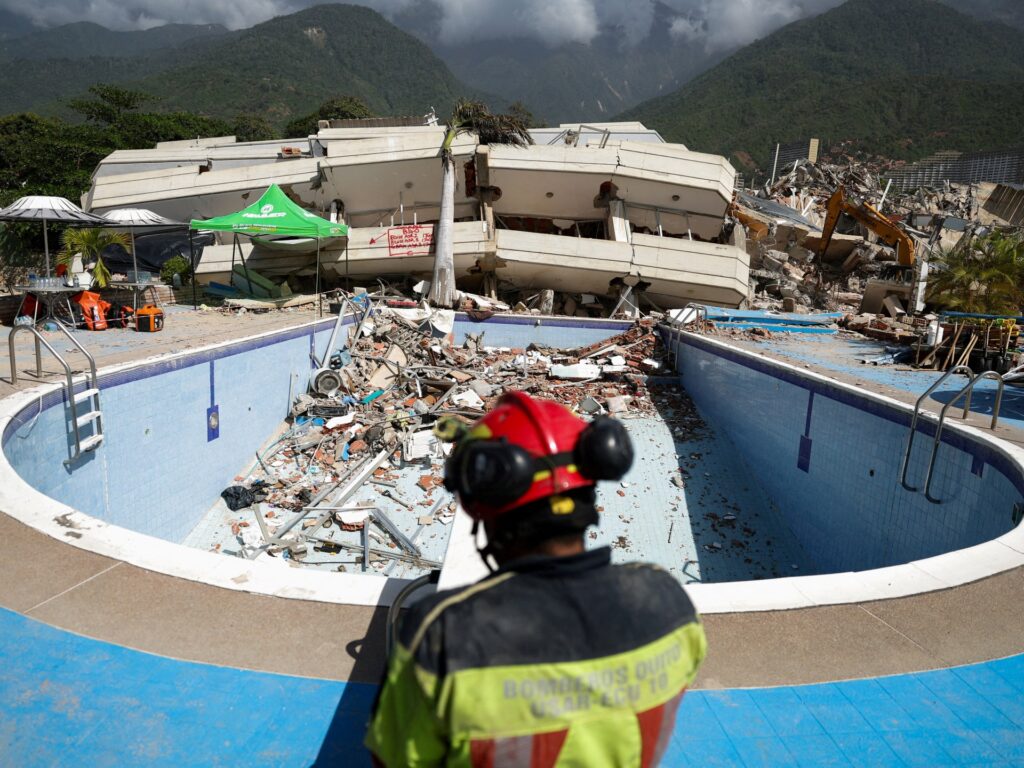
U.S. military personnel are supporting search, rescue and aid operations in Venezuela after twin earthquakes killed more than 2,000 people. Aid workers warn overcrowded shelters, poor sanitation and limited clean water could fuel a health crisis.
Posts tagged as “the New York State Department of Financial Service”
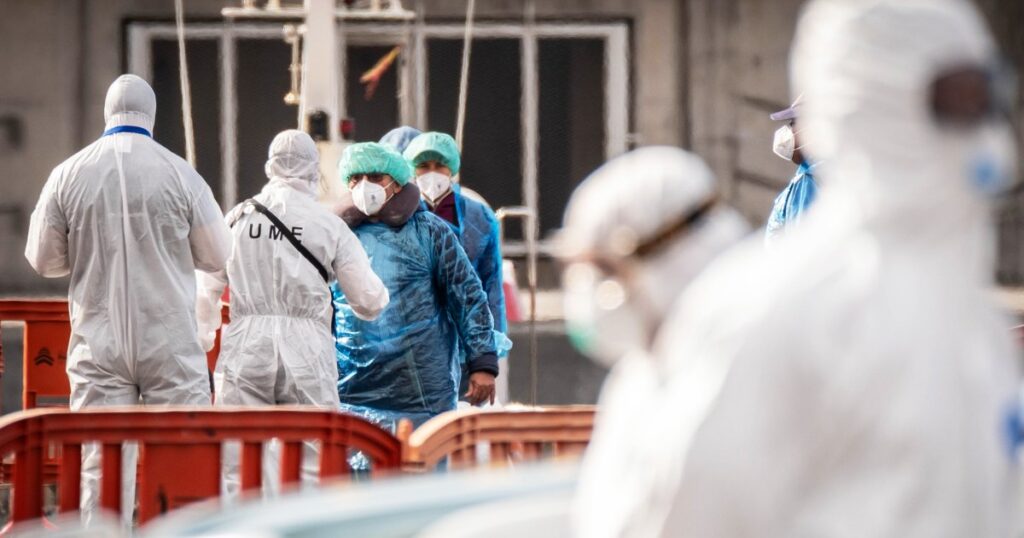
Seventeen Americans evacuated from a hantavirus-affected cruise ship have arrived in Nebraska for monitoring, with two passengers showing signs of infection. The rare Andes strain involved is transmissible between humans, but officials stress the public risk remains low.

The Pentagon has released over 160 files on unidentified anomalous phenomena, including reports from Apollo missions and recent military sightings. The documents, spanning decades, are now publicly accessible on a dedicated government website.
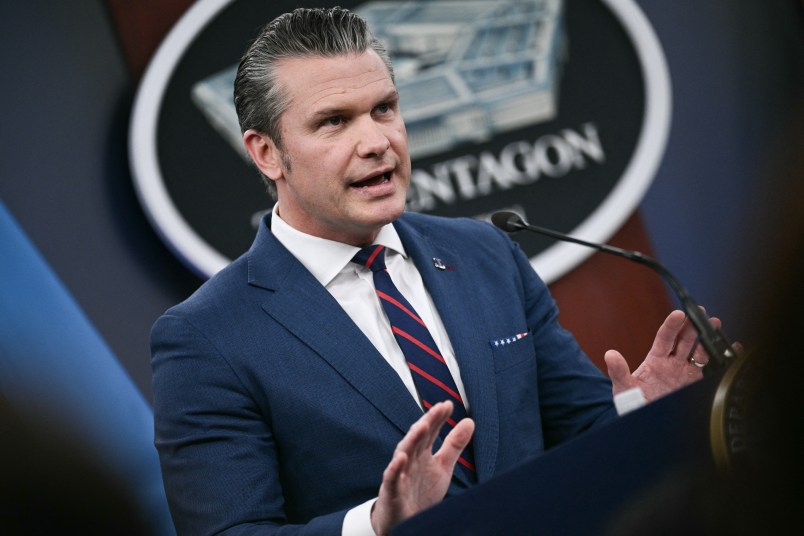
President Trump declares hostilities with Iran have ended as the 60-day War Powers Resolution deadline passes. Legal experts and some lawmakers dispute the claim, citing ongoing military actions including a naval blockade.

American freelance journalist Shelly Kittleson was kidnapped in Baghdad by suspected Iranian-backed militants linked to the militia group Kata'ib Hezbollah, with Iraqi security forces arresting one suspect and continuing efforts to secure her release. Despite multiple warnings from the U.S. State Department about threats to her safety, Kittleson traveled to Baghdad, where surveillance footage showed her abduction. U.S. and Iraqi authorities, including the FBI and counter-terrorism units, are coordinating to resolve the situation amid heightened tensions involving Iranian-aligned militias in Iraq.
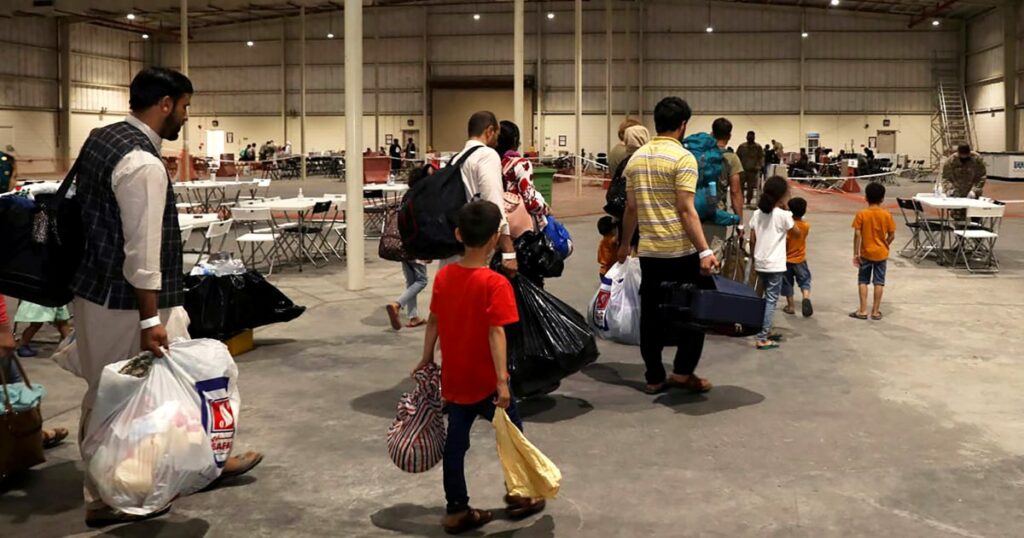
More than 1,100 Afghan refugees who supported the U.S. remain stranded at Camp As Sayliyah in Qatar, facing a March 31 deadline to relocate to an unspecified third country or return to Taliban-controlled Afghanistan, despite risks of persecution. Advocacy groups criticize the Trump administration’s handling of the situation, calling the camp a “prison camp” and expressing concerns about the refugees’ uncertain futures, while the State Department defends the closure as necessary and humane. Meanwhile, escalating tensions in the Middle East, particularly involving Iran’s unyielding stance and militia activities, complicate regional security and diplomatic efforts, highlighting the broader challenges affecting both refugees and U.S. foreign policy.
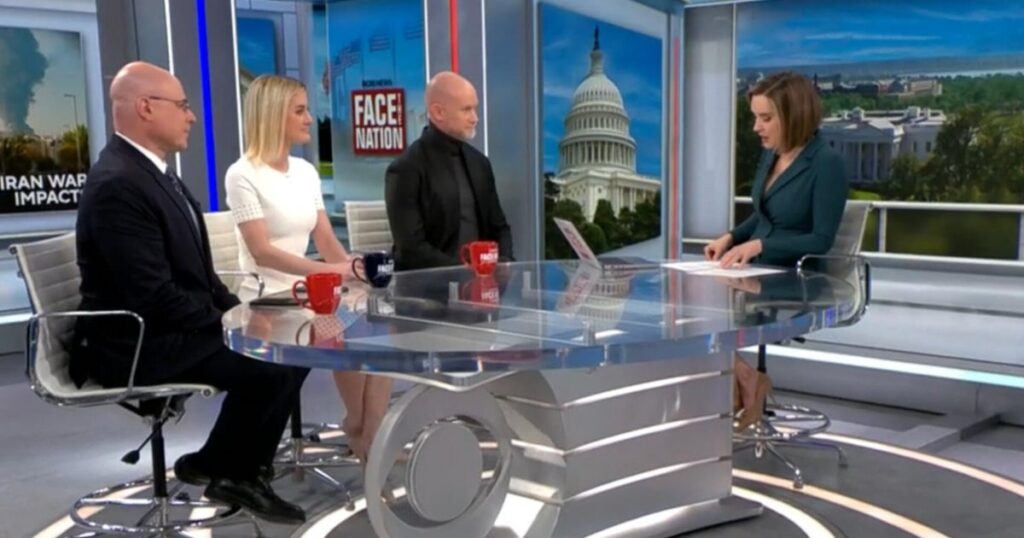
The ongoing U.S.-Iran conflict has sparked legal and political debates over the Trump administration’s military actions without explicit congressional authorization, with plans to request up to $50 billion in emergency supplemental funding that some view as retroactive approval. While the Department of Defense has existing funds for missile defense and munitions, questions remain about the necessity of additional emergency appropriations, as Congress holds significant power over military funding. Meanwhile, escalating military strikes, Iran’s refusal to negotiate, and rising domestic economic and security concerns underscore the complex geopolitical and domestic ramifications of the conflict.