Key takeaways:
- U.S. District Judge Angel Kelley issued a preliminary injunction requiring the Trump administration to restore National Park Service materials removed or altered since May 20, 2025.
- The case challenged policies tied to Trump’s March 2025 executive order, “Restoring Truth and Sanity to American History.”
- Plaintiffs said exhibits involving slavery, civil rights, Indigenous history, climate change, labor history and other topics had been removed or flagged for removal.
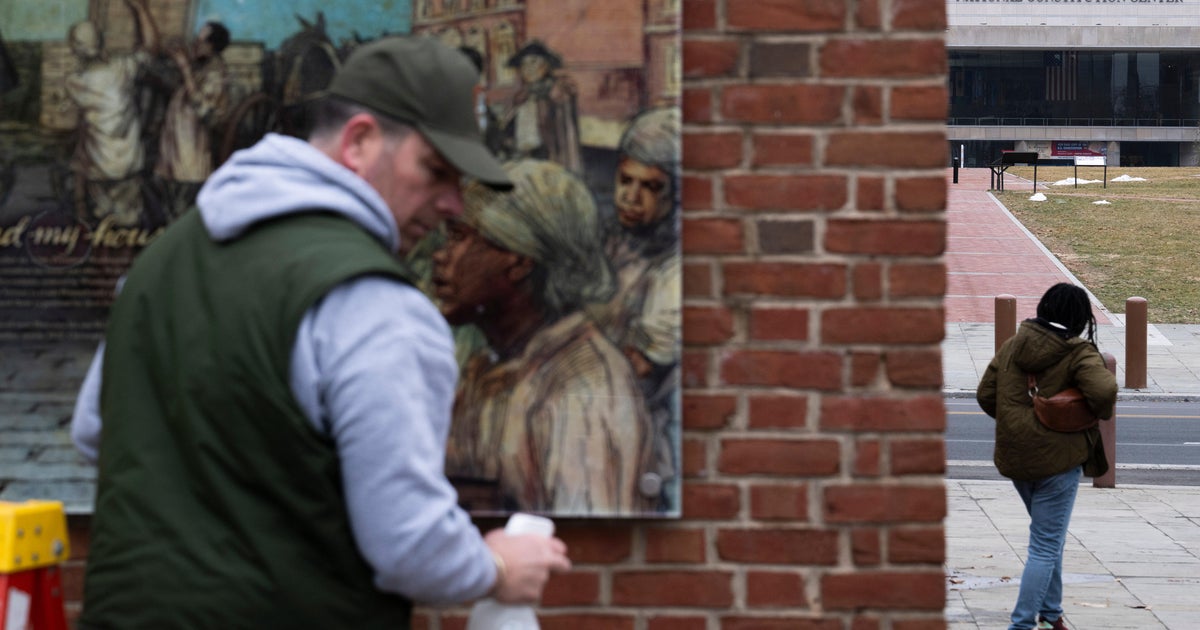
A federal judge has ordered the Trump administration to restore history and science materials removed from national parks and public monuments, ruling that the government’s effort to reshape exhibits would “set a dangerous precedent of censorship and sanitization.”
U.S. District Judge Angel Kelley in Massachusetts issued a preliminary injunction Friday requiring the administration to reverse changes already made at sites managed by the National Park Service and pause any further removals or alterations. The order gives the administration 21 days to “restore and reinstall all interpretive materials at park sites managed by the NPS that, pursuant to the Secretary’s Order, have been altered, removed, or damaged in the process of such removal since May 20, 2025.” It also requires weekly status reports on the restoration work.
The ruling targets actions taken after President Donald Trump signed a March 2025 executive order titled “Restoring Truth and Sanity to American History.” The order directed the interior secretary to examine monuments, memorials and statues, including those altered after January 2020, to determine whether they represented what the administration called a “false construction of American history.” It also called for national parks to avoid displays that “inappropriately disparage Americans past or living.”
Kelley rejected the administration’s rationale, writing that the policy sought to narrow what visitors could learn at federally managed sites.
“Under the guise of promoting American dignity, this Administration seeks to share a limited history by ordering the removal of all signs, displays, and interpretive exhibits at National Parks that do not align with its preferred narrative, thereby telling half-truths,” Kelley wrote.
She added: “History cannot be faithfully told while excluding the experiences of communities whose contributions, struggles, and achievements form an important part of our Nation’s story.”
The injunction came in response to a lawsuit filed by conservation and historical organizations, including the National Parks Conservation Association, the Association of National Park Rangers and the American Association for State and Local History. The groups argued that National Park Service policies had forced staff to remove or censor exhibits containing factually accurate material about U.S. history and science, including slavery, civil rights, Indigenous history and climate change.
Many of the changes occurred at Independence National Historical Park in Philadelphia, where exhibits about the lives of nine people enslaved at the site in the 1790s under George Washington were removed, according to CBS News. Other changes included the removal of a sign at Sunset Crater Volcano National Monument in Arizona describing basalt bubbles because it included an image of a visitor holding a Pride flag, and the removal of films on labor history from Lowell National Historical Park in Massachusetts, CBS News reported.
The Guardian reported that at a Georgia monument, The Scourged Back — a famous photograph of an enslaved man with scars on his back — drew attention after being flagged for potential removal.
Interior Secretary Doug Burgum later directed the removal of “improper partisan ideology” from museums, monuments, landmarks and other public exhibits under federal control, according to CBS News. The Guardian reported that the administration also sought to purge what it called “corrosive” or “ideological indoctrination” from exhibitions at historical and cultural institutions.
Alan Spears, senior director for cultural resources at the National Parks Conservation Association, said the ruling would help protect parks from efforts “to erase history and science at these one-of-a-kind places.” He added: “Americans count on national parks to help us understand our full, rich history. Stories of triumph and tragedy alike deserve to be told out loud at parks.”
Bill Wade, executive director of the Association of National Park Rangers, said the decision was good news for park employees who “have prided themselves for being able to provide truthful, accurate and unbiased information.”
Emily Thompson, executive director of the Coalition to Protect America’s National Parks, said national parks “exist to preserve and interpret the full American story, not just the parts that make some politicians comfortable. This ruling will help ensure that remains the case.”
The White House did not immediately respond to a request for comment, The Guardian reported. CBS News said an email seeking comment was sent to the Interior Department on Saturday.








Be First to Comment