Key takeaways:
- Hamas accepted a framework for inventorying and storing heavy weapons under Palestinian supervision rather than handing them to Israel.
- The plan ties staged disarmament to Israel’s gradual withdrawal and the deployment of an International Stabilization Force and new Palestinian police force.
- Israel has not publicly accepted the proposal, and Hamas says it will not implement any part unless Israeli forces meet their withdrawal obligations.
Hamas has accepted a framework to disarm in Gaza for the first time, a step mediators say could remove a major obstacle to a Trump-backed plan aimed at ending the war and reshaping governance in the territory.
The agreement, announced late Thursday by U.S. President Donald Trump and the U.S.-led Board of Peace and International Stabilization Force for Gaza, calls for Hamas and other armed groups to give up weapons in stages while Israeli forces withdraw over time. Mediators from Egypt, Qatar, Turkiye and the United States finalized the roadmap for the next phase of the ceasefire, Al Jazeera reported. Egypt is expected to host further talks with representatives from the United States, Qatar and Turkiye on ensuring compliance.
“Today, the Board of Peace reached a HISTORIC agreement for the COMPLETE DISARMAMENT of Hamas and all other armed groups in Gaza,” Trump wrote on Truth Social. “This is a monumental step toward lasting PEACE and SECURITY.”
Trump said the process would unfold in phases. “As disarmament is completed, Israeli forces will withdraw, and the International Stabilisation Force will work with a new Palestinian police force to take responsibility for Gaza being safe for its residents and its neighbours,” he wrote.
Israel has not publicly agreed to the latest proposal or commented on the announcement. Hamas has said it will not take any steps unless Israel meets its obligations to withdraw. “Hamas will not implement any step of the Gaza peace deal if the Israeli occupation forces do not fulfil their obligations under the agreement,” Ghazi Hamad, a member of Hamas’s negotiating delegation, told Al Jazeera. “Israel will not interfere in the disarmament issue and the national committee is the one that will carry out this task.”
According to the BBC, the plan provides for the inventorying and storage of Hamas’s remaining heavy weapons under Palestinian supervision. A senior Hamas official involved in the negotiations told the BBC the talks were “long and extremely difficult,” with Hamas insisting on the wording “inventorying and storing weapons” under Palestinian oversight rather than handing weapons to Israel.
The proposal requires a weapons inventory schedule within 14 days, with extensions allowed only if approved by an international verification commission and all parties. A Palestinian National Committee would oversee the inventory and storage process and would be the only entity permitted to hold, store or control weapons in Gaza, with participation from Palestinian factions. No weapons would be transferred to Israel or any non-Palestinian party, according to the plan described by Al Jazeera.
The first targets would include heavy weapons, military production sites, weapons depots and the tunnel network. The process would be tied to the entry of the National Committee, deployment of an international force and Israel’s incremental withdrawal to designated lines as verification proceeds.
Al Jazeera reported that the disarmament process would begin 14 days after all parties formally accept the agreement and could take 200 to 300 days. The International Stabilization Force would be overseen by an American general, and officials say commitments have been made for a force of about 5,000 personnel, according to Al Jazeera.
The roadmap would shift Gaza’s daily administration to a technocratic Palestinian committee under the oversight of the Board of Peace. The proposed structure includes a U.S.-led Gaza Board of Peace chaired for life by Trump, a seven-member Founding Executive Board led by former British Prime Minister Tony Blair, and separate bodies for reconstruction, civil administration and security.
The BBC reported that Hamas’s acceptance followed internal leadership elections that brought Gaza-based leader Khalil al-Hayya to the head of the movement. Palestinian officials involved in the talks told the BBC the new leadership was prepared to make what they described as the most consequential political decision in Hamas’s history, driven by the humanitarian conditions facing more than two million Palestinians in Gaza.
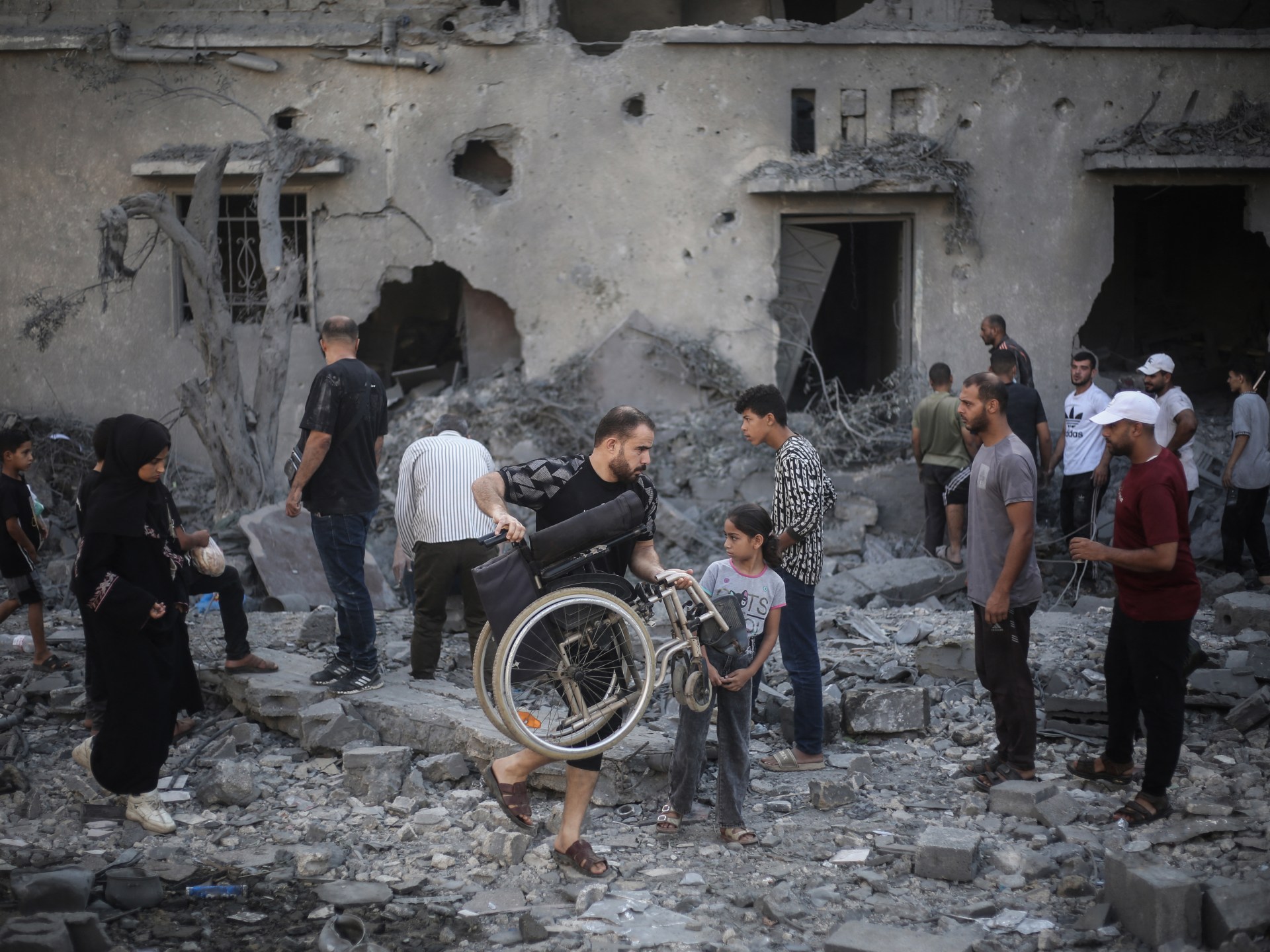
Still, major questions remain. Israel has not confirmed acceptance, and it is unclear whether all Palestinian armed groups would comply or whether Israeli forces would fully withdraw. In Gaza, the announcement drew limited public enthusiasm. After repeated failed ceasefires and collapsed agreements, many Palestinians voiced scepticism and said they were focused on whether the deal would end the war, allow displaced families to return home and bring relief.







Be First to Comment