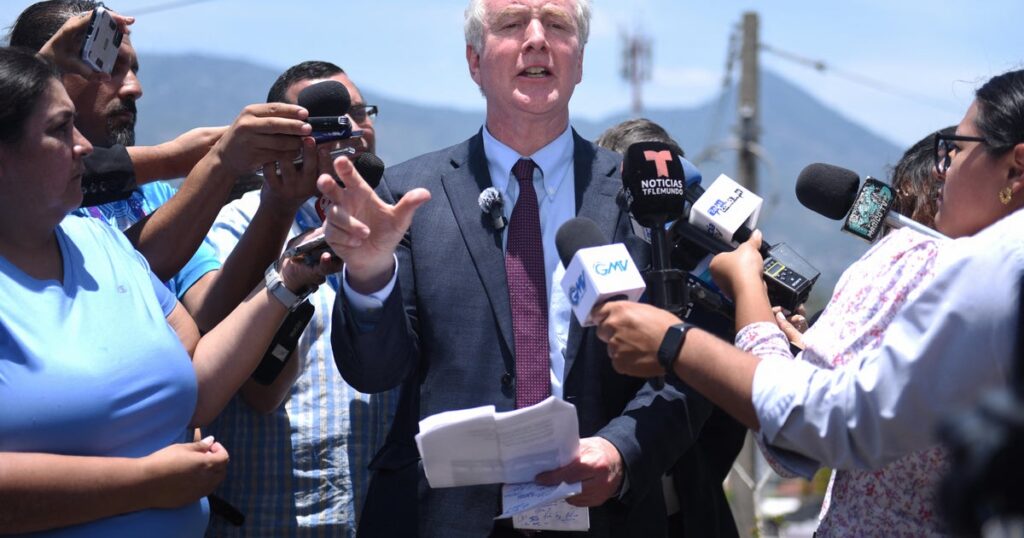
Maryland Senator Chris Van Hollen recently visited El Salvador to meet with Kilmar Abrego Garcia, who was deported from the U.S. due to an administrative error and is currently detained at the Terrorism Confinement Center. Despite initial challenges in arranging the meeting, Van Hollen was able to assess Abrego Garcia's health and well-being, highlighting ongoing concerns about his deportation and incarceration. The case underscores the broader implications of administrative errors in immigration enforcement and the complexities of ensuring due process, drawing attention from U.S. lawmakers and emphasizing the international dimensions of immigration issues.
Posts tagged as “the Supreme Court”
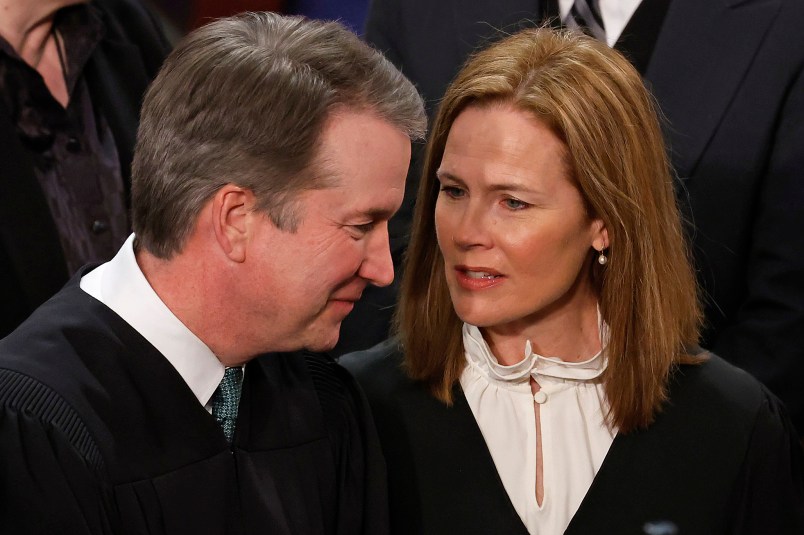
The Supreme Court will hear oral arguments on May 15 regarding the authority of judges to issue nationwide injunctions, following an emergency request from the Trump administration seeking to limit such judicial actions. This case is significant as it could impact the balance of power between the judiciary and the executive branch, determining the extent to which judges can intervene in nationwide policy decisions. Concurrently, speculation about President Trump's dissatisfaction with Federal Reserve Chair Jerome Powell highlights the complexities of governance and the challenges the administration faces in implementing its policies.
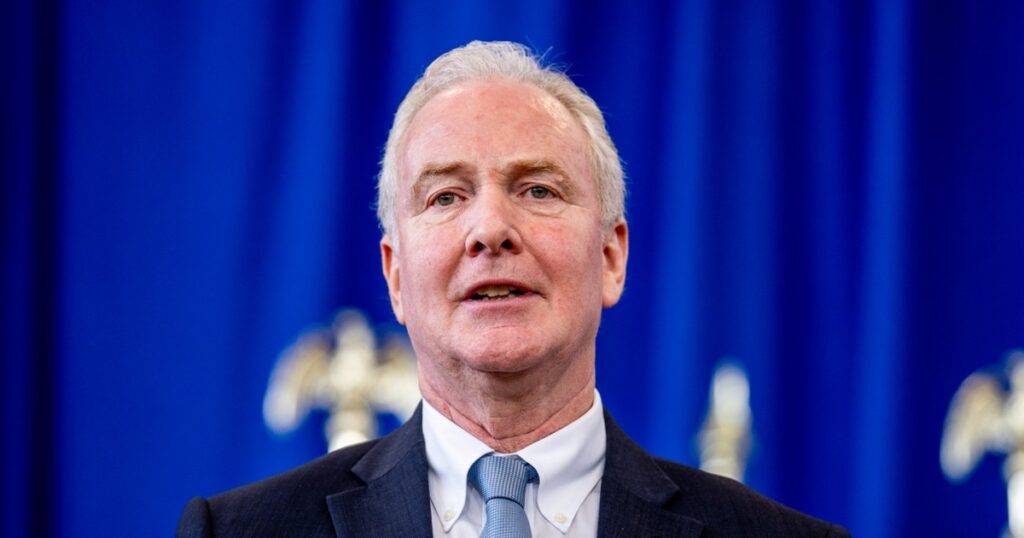
Senator Chris Van Hollen of Maryland traveled to El Salvador to address the situation of Kilmar Abrego Garcia, a Maryland resident mistakenly deported by the Trump administration, aiming to assess his well-being and engage with Salvadoran officials. Despite his efforts, Van Hollen was denied a meeting or phone call with Abrego Garcia, who is currently held in a Salvadoran prison, highlighting the diplomatic challenges involved. The case has seen multiple U.S. court proceedings, with a federal judge and the Supreme Court ordering Abrego Garcia's return, yet the situation remains unresolved, prompting the senator's intervention.
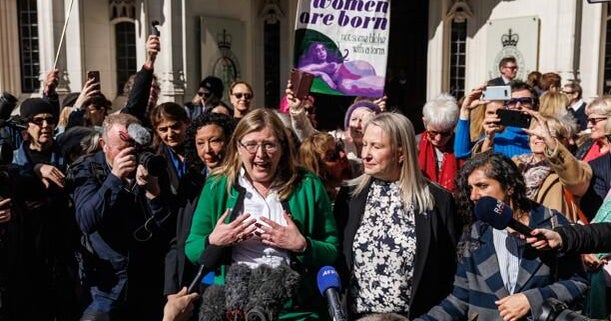
The United Kingdom's Supreme Court has ruled that the terms "woman" and "sex" in the Equality Act 2010 refer specifically to individuals born biologically female, excluding transgender women from this legal definition. This decision, delivered by Justice Patrick Hodge, clarifies the interpretation of gender and sex within the context of UK equality legislation and is expected to impact legal understandings of these concepts. The ruling arose from a challenge to a 2018 Scottish law that included transgender women in its definition of women for gender parity on public boards, highlighting ongoing debates about gender identity and equality.
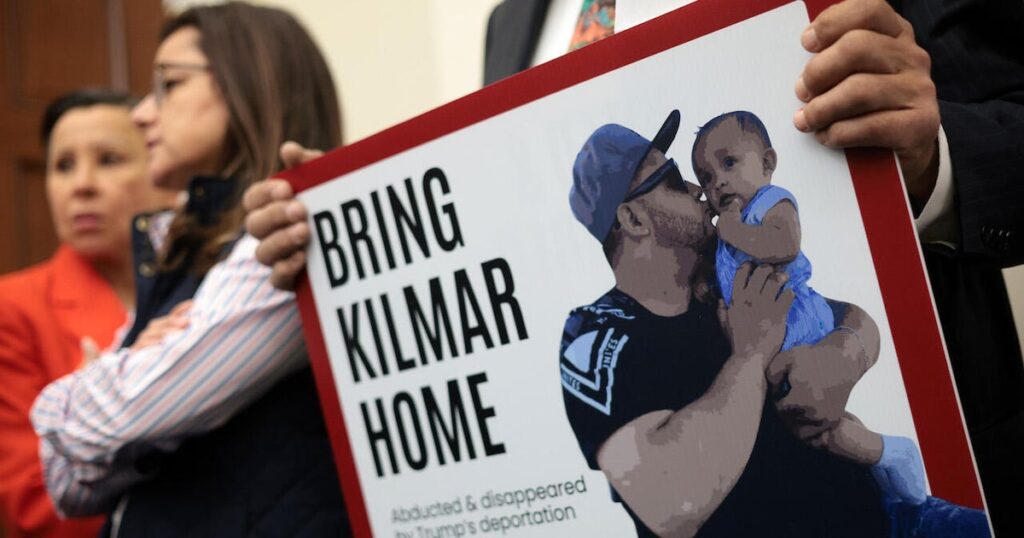
The case of Kilmer Abrego Garcia, a Maryland resident mistakenly deported to El Salvador, has gained significant attention following a Supreme Court ruling that mandates the U.S. government to facilitate his release from a Salvadoran prison. U.S. District Judge Paula Xinis has requested updates on his current status and the efforts made by the Justice Department to rectify the deportation error, including diplomatic communications with Salvadoran authorities. Senator Chris Van Hollen has been actively involved, expressing concern for Abrego Garcia's well-being and seeking to engage with Salvadoran President Nayib Bukele to expedite his return to the United States.
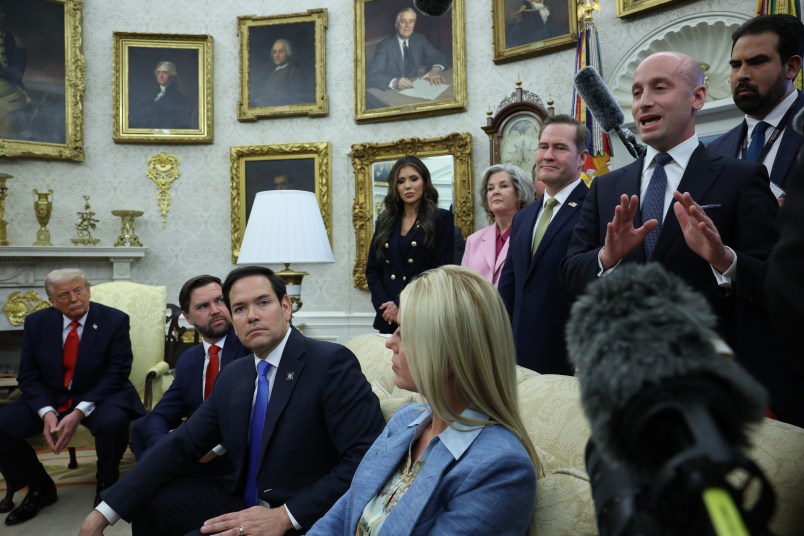
A diplomatic dispute has arisen between the United States and El Salvador over Kilmar Abrego Garcia, with El Salvador's President Nayib Bukele refusing to extradite him back to the U.S., drawing attention from U.S. lawmakers. Senator Chris Van Hollen has actively engaged with El Salvador's ambassador and expressed his willingness to travel to El Salvador if the situation is not resolved, gaining support from other Democratic lawmakers. The case has also exposed tensions within the U.S. government, with criticism directed at the Trump administration for its handling of the matter, and a federal court hearing in Maryland is anticipated to address the legal and diplomatic ramifications.
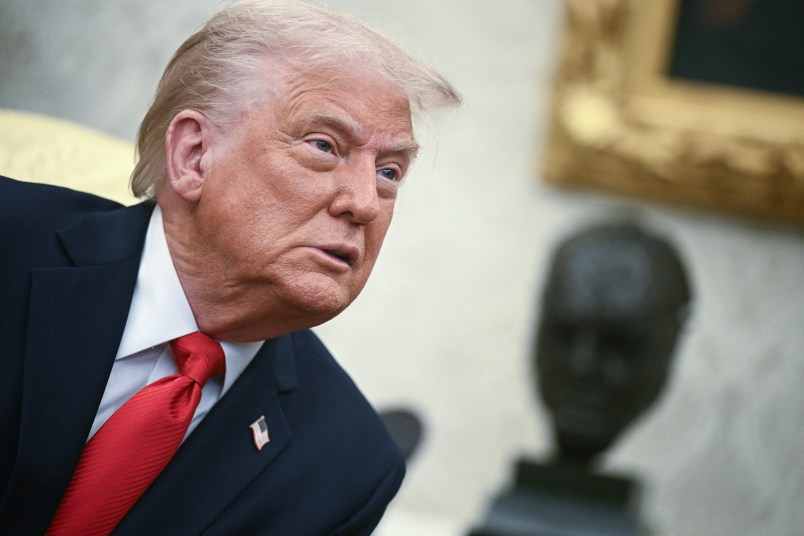
The Trump administration has frozen over $2 billion in federal grants to Harvard University after the institution refused to comply with a list of ten government demands, escalating tensions between the administration and the Ivy League school. This decision is part of a broader pattern of the administration challenging judicial rulings it finds unfavorable, raising concerns about the erosion of judicial authority and the rule of law. The announcement, made alongside El Salvador's President Nayib Bukele, has sparked discussions about the implications for federal funding of higher education and the administration's approach to governance and international relations.
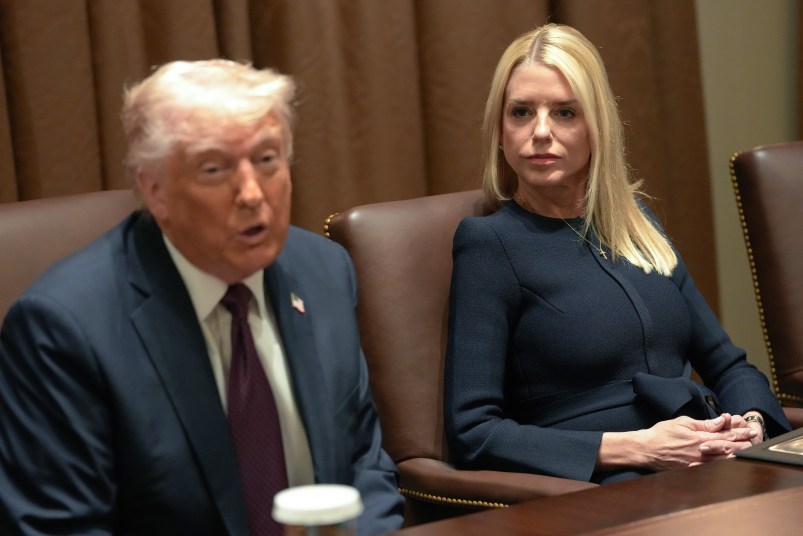
A federal judge has expressed significant concern over the Trump administration's failure to clarify efforts to return Kilmar Abrego Garcia, a Maryland man mistakenly deported to El Salvador, despite a Supreme Court ruling mandating his return. During a court hearing, Judge Paula Xinis repeatedly questioned a Department of Justice lawyer, who admitted to having no personal knowledge of the situation, which the judge found "extremely troubling." The administration's defiant response to the court order has raised questions about its compliance with the Supreme Court's directive and highlighted broader issues of accountability in addressing deportation errors.