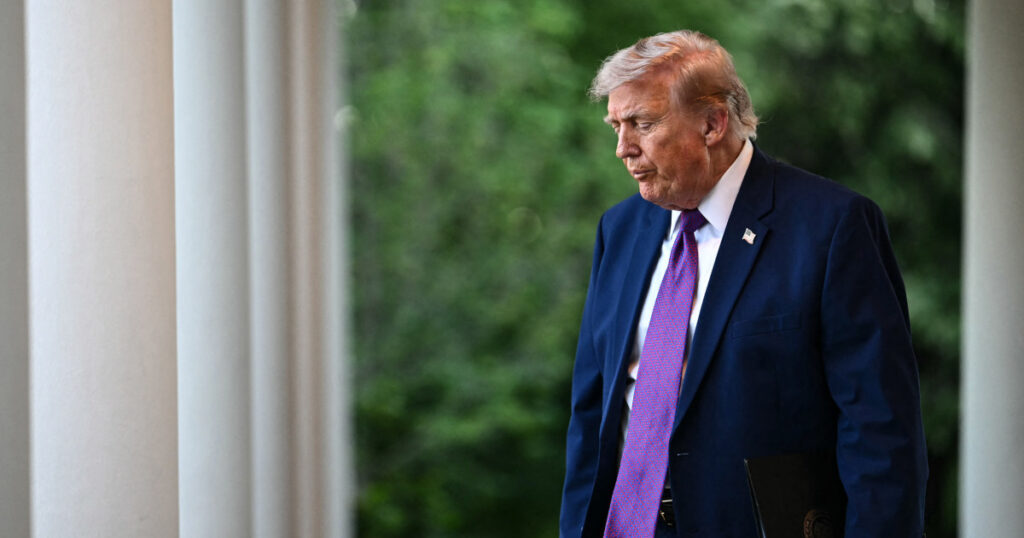
President Trump says preventing Iran from obtaining nuclear weapons is his top priority, dismissing concerns about the economic impact on Americans amid rising inflation and gas prices. Democrats and polls highlight widespread public dissatisfaction with his handling of the economy during the Iran conflict.
Posts tagged as “the Strait of Hormuz”
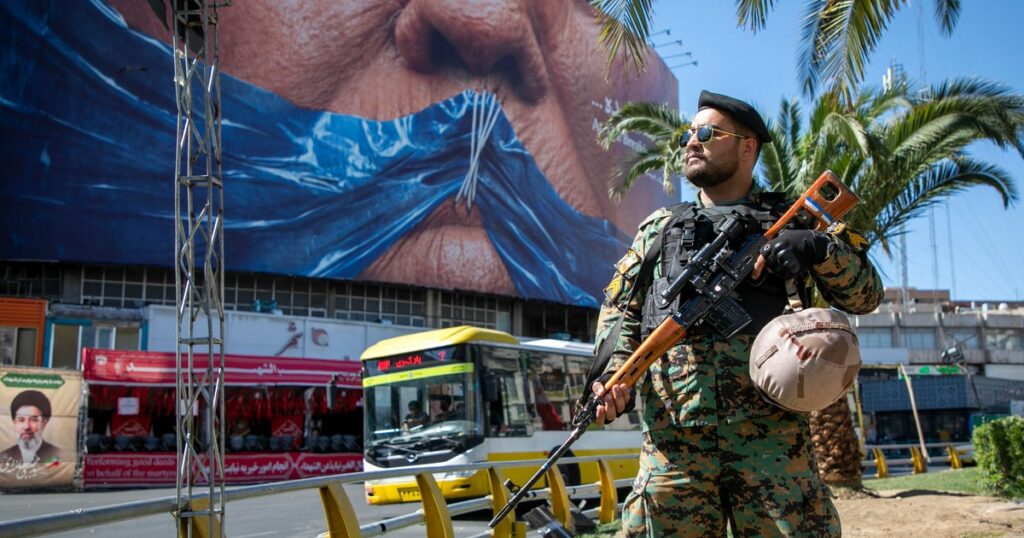
President Trump rejects Iran's response to a U.S. peace proposal as talks stall amid ongoing tensions in the Persian Gulf. Despite ceasefire efforts, hostilities continue with threats and drone attacks, while diplomatic negotiations and economic pressures persist.
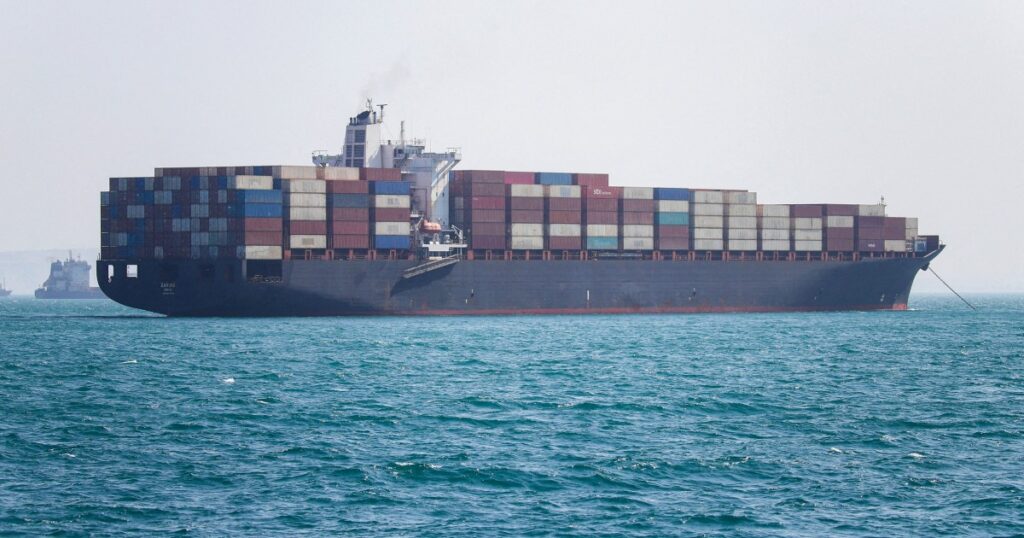
President Trump pauses Project Freedom, a U.S. mission to escort ships through the Strait of Hormuz, amid escalating clashes with Iran and ongoing peace talks. Despite recent attacks and counterattacks, officials say the ceasefire remains intact as diplomatic efforts continue.
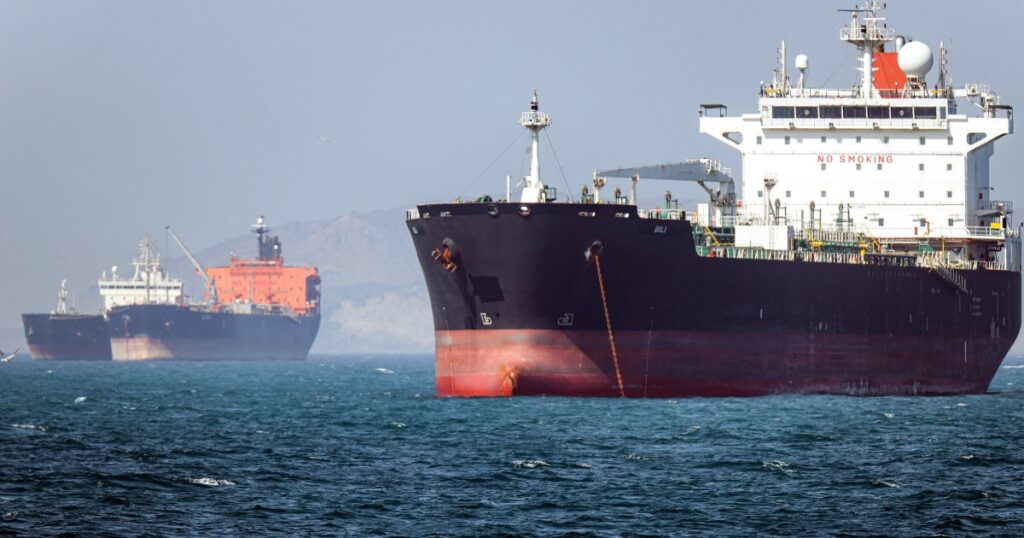
The U.S. pauses Project Freedom in the Strait of Hormuz amid ongoing Iranian missile and drone attacks on Gulf vessels. Despite renewed violence, officials say the ceasefire holds as diplomatic talks advance.
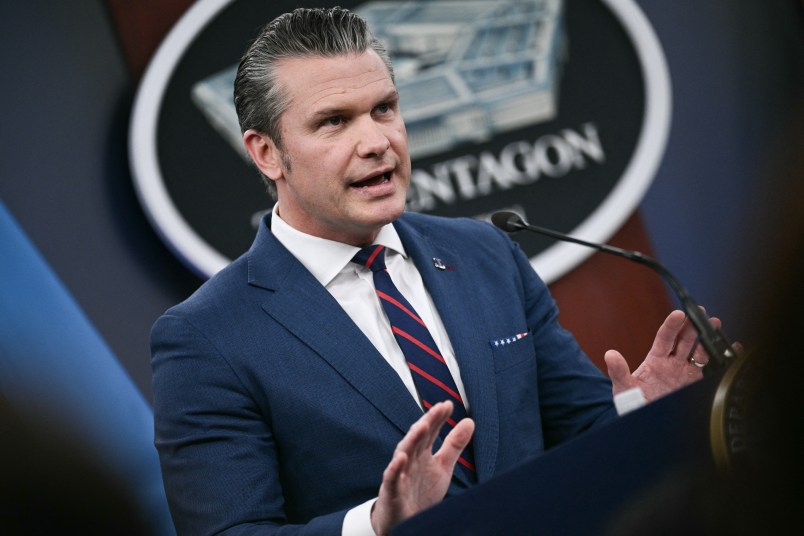
President Trump declares hostilities with Iran have ended as the 60-day War Powers Resolution deadline passes. Legal experts and some lawmakers dispute the claim, citing ongoing military actions including a naval blockade.
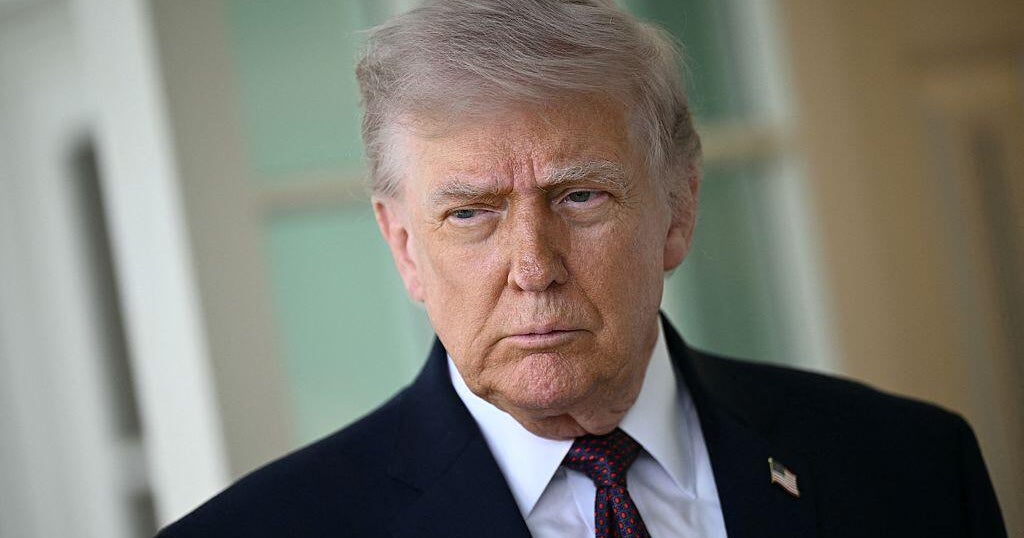
President Trump faces a Friday deadline under the War Powers Resolution limiting U.S. military action in Iran without congressional approval. The administration argues the conflict is paused under a ceasefire, while lawmakers debate the legality of continued hostilities.
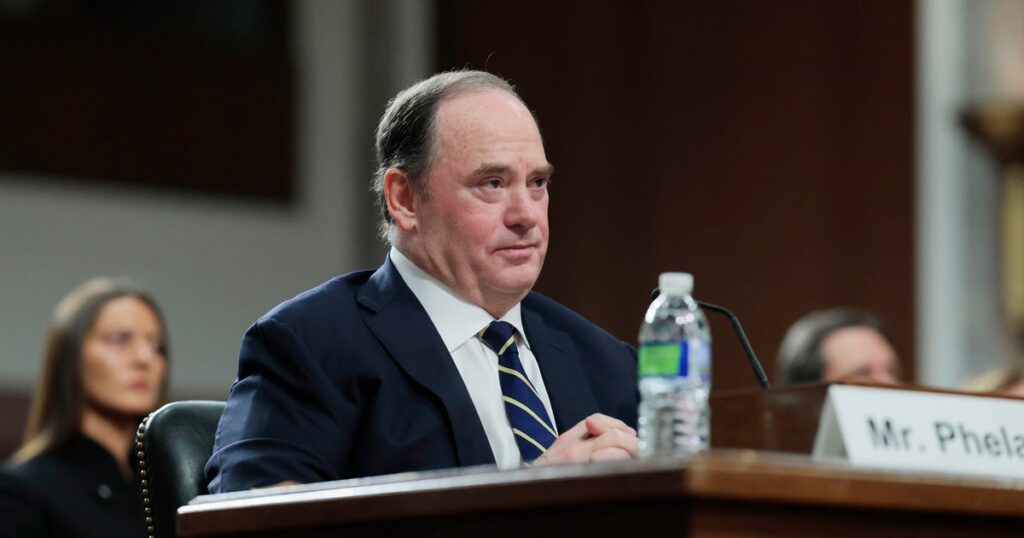
Navy Secretary John Phelan departs immediately amid tensions with Defense Secretary Pete Hegseth over shipbuilding and naval strategy. His exit follows a series of high-level military dismissals under the Trump administration.
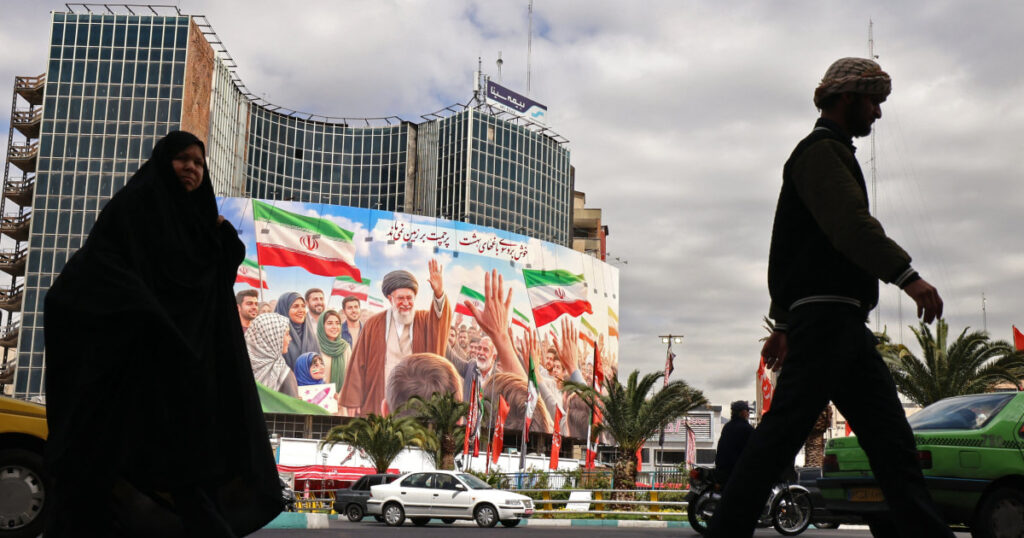
As the ceasefire between the U.S. and Iran nears expiration, American envoys head to Pakistan for talks amid Iran's closure of the Strait of Hormuz and escalating threats. Iran demands the U.S. lift its naval blockade, while President Trump warns of attacks on Iranian infrastructure if a deal is not reached.