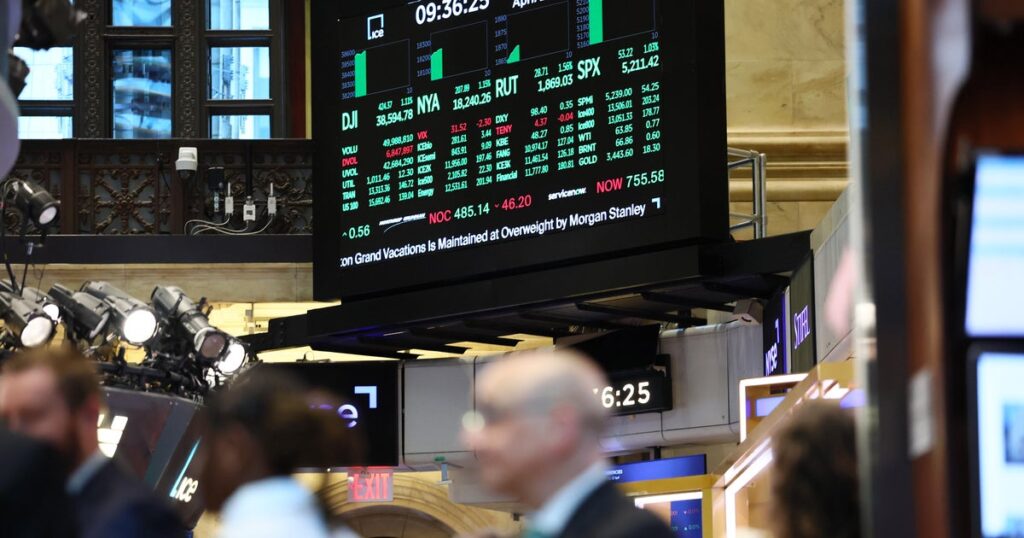
Recent developments in U.S. stock markets show an uplift following President Trump's conciliatory approach towards China tariffs and his assurance of no immediate changes in Federal Reserve leadership, particularly retaining Jerome Powell as Chair. This shift in stance led to a positive response in stock futures, with significant gains in S&P 500, Nasdaq Composite, and Dow Jones Industrial Average futures, as analysts noted increased demand for U.S. assets. Additionally, Elon Musk's decision to focus more on Tesla by reducing his advisory role to the Trump administration has been positively received, contributing to the overall optimistic outlook among investors.
Posts tagged as “the Oval Office of the White House”
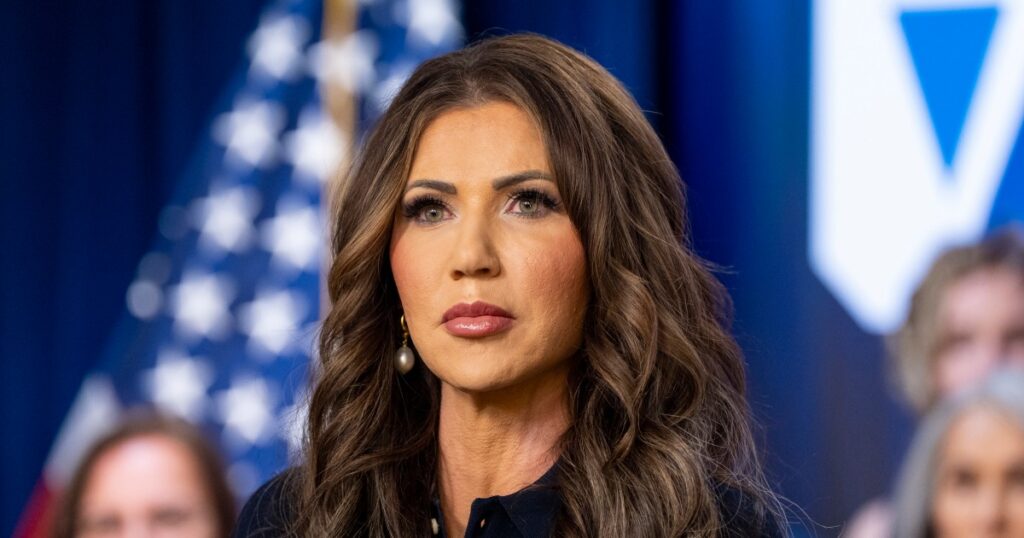
Kristi Noem, the Secretary of Homeland Security, experienced a security breach when her purse, containing sensitive items and $3,000 in cash, was stolen at a Washington, D.C. restaurant. The U.S. Secret Service is investigating the incident, reviewing security footage, and has identified a suspect described as a White male wearing a medical mask. Despite the presence of her Secret Service detail, the theft highlights the challenges public officials face in ensuring personal security, and the investigation is ongoing as authorities aim to recover the stolen items.
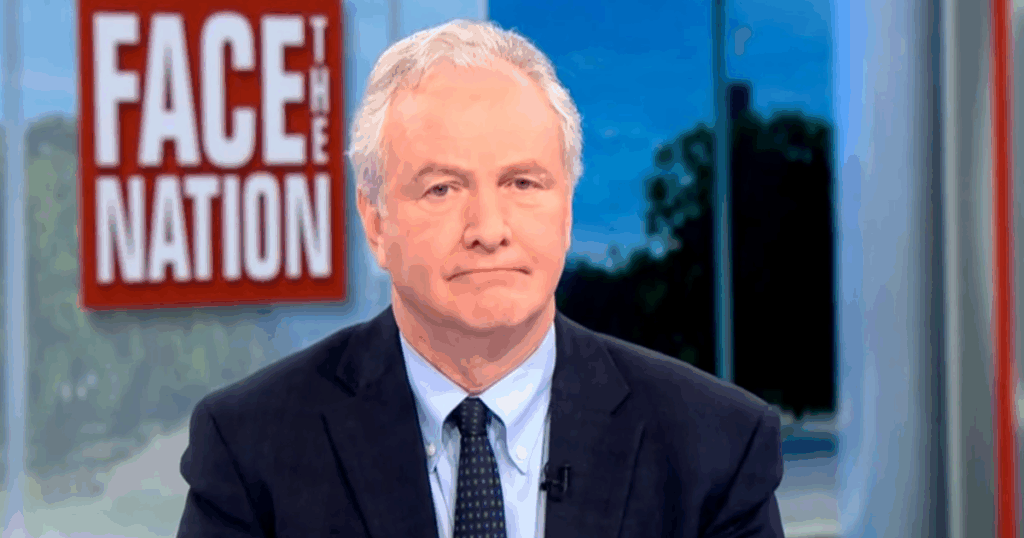
Senator Chris Van Hollen revealed that the Salvadoran government initially tried to block his visit to Kilmar Abrego Garcia, a Maryland resident recently deported to El Salvador and imprisoned in harsh conditions, though they later allowed the meeting. The deportation, part of a White House initiative later acknowledged as a mistake by U.S. officials, has sparked criticism and raised concerns about U.S. immigration policies. Separately, Secretary of State Marco Rubio suggested the U.S. might abandon efforts to end the war in Ukraine, signaling a potential shift in American foreign policy.

A video obtained by NBC News shows a convoy of ICE vehicles transporting Venezuelan detainees from the Bluebonnet Detention Center toward the Abilene Airport in Texas, only to reverse course amid legal proceedings to halt their deportation. This incident underscores the complexities and legal challenges of immigration enforcement, particularly concerning Venezuelan nationals. Meanwhile, discussions around the case of Abrego Garcia and comments from Senator Chris Van Hollen highlight the ongoing political discourse and evolving nature of U.S. immigration policies.
A significant protest occurred near the White House, where individuals gathered to oppose President Donald Trump's policies, particularly highlighting the wrongful deportation of Kilmar Abrego Garcia as a violation of due process rights. Protester Susie Stern emphasized the need for fair treatment under the law for everyone, regardless of their background. In a related development, Secretary of State Marco Rubio suggested the U.S. might withdraw from negotiations to end the war in Ukraine, reflecting the growing tensions and uncertainties in U.S. foreign and domestic policies.
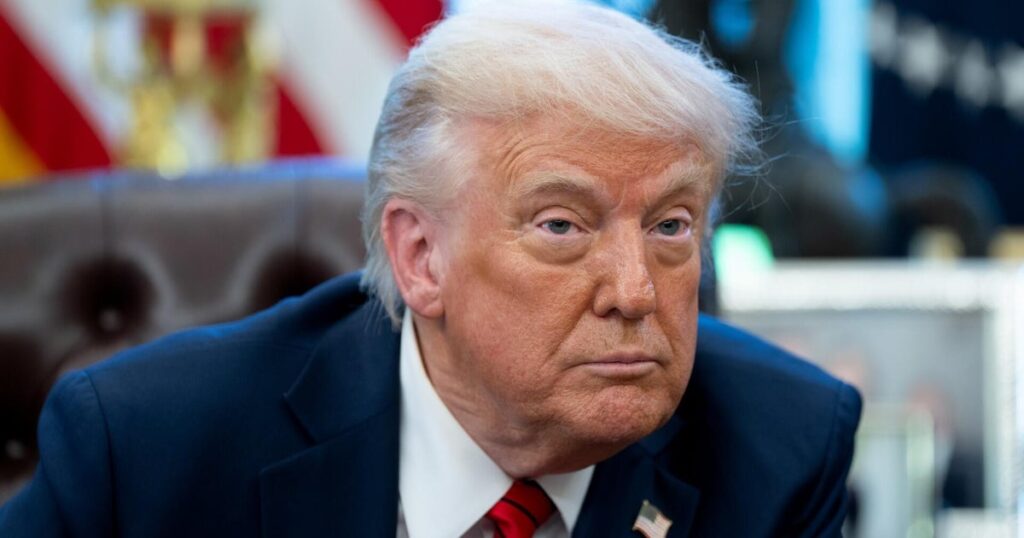
The Trump administration is actively addressing supply chain challenges while navigating international trade negotiations, following President Trump's decision to pause certain global tariffs to develop trade agreements with 75 countries. Despite the pause being framed as a strategic maneuver to showcase Trump's deal-making skills, former trade negotiators warn that converting initial discussions into formal agreements will be challenging, especially given the tight timeline. To mitigate potential supply chain disruptions, particularly from tariffs on Chinese goods, the administration is considering forming a dedicated working group to address these issues urgently if negotiations with Beijing do not succeed.
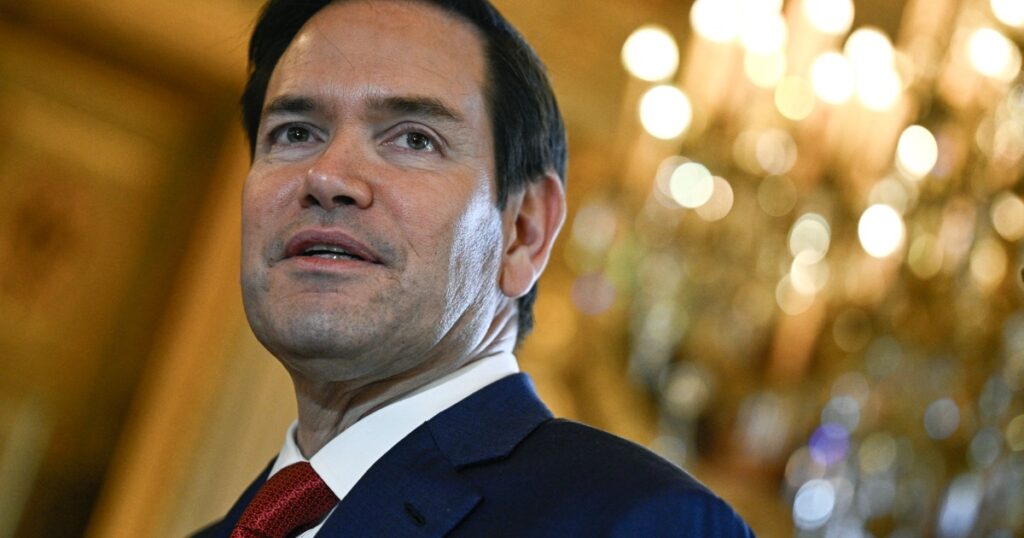
U.S. Secretary of State Marco Rubio announced that the United States might soon reassess its involvement in peace talks between Russia and Ukraine if significant progress is not made, emphasizing the urgency of reaching a decision within days. This statement reflects growing impatience within the U.S. administration, which has been actively seeking a resolution since President Donald Trump took office, but has yet to achieve the desired outcome despite various diplomatic efforts. The potential shift in U.S. strategy represents a critical moment in the international response to the conflict, with the coming days being crucial in determining the success of current diplomatic initiatives or the need for a new approach.
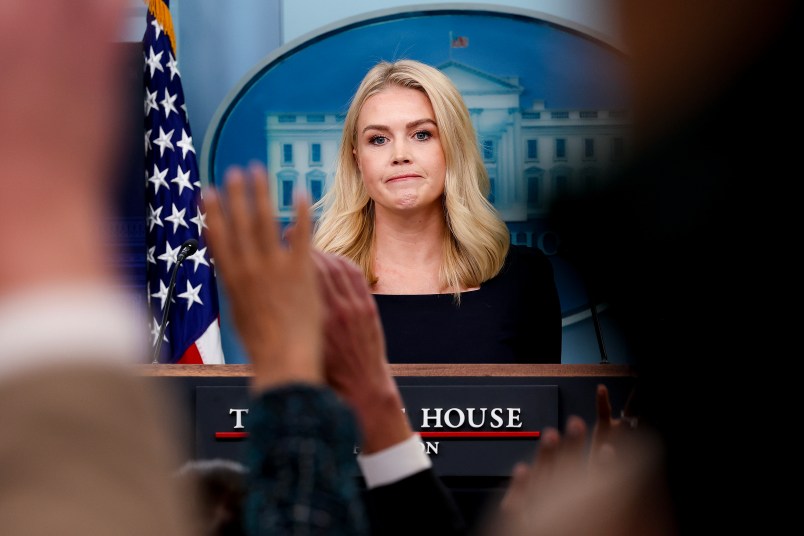
White House Press Secretary Karoline Leavitt confirmed that the administration is complying with court orders regarding the deportation case of Kilmar Abrego Garcia, a Salvadoran national mistakenly deported despite being married to a U.S. citizen. Leavitt asserted that Garcia's deportation was justified due to his alleged affiliations, underscoring the administration's firm stance on his removal. This case exemplifies the broader scrutiny and challenges faced by President Donald Trump's mass deportation policies, highlighting the complexities of immigration enforcement.