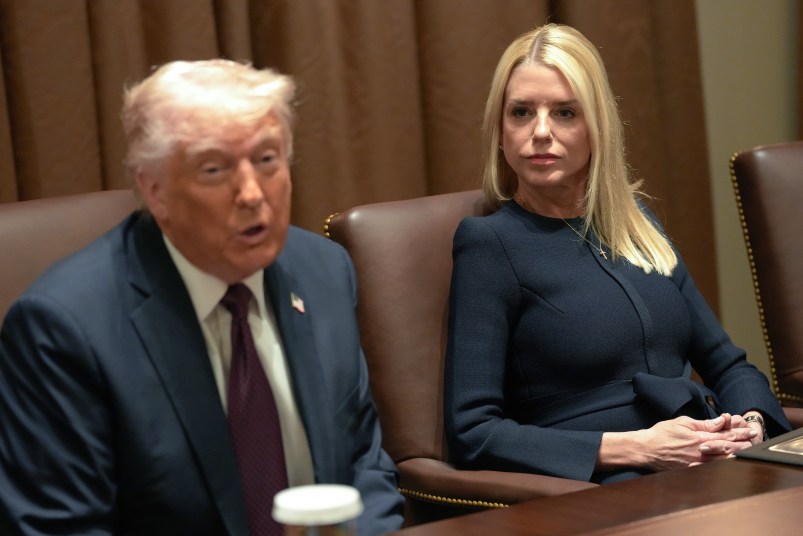
The Trump administration is under scrutiny for its handling of Kilmar Abrego Garcia's deportation case, as U.S. District Judge Paula Xinis demands information about Garcia's status following a Supreme Court directive for his release from Salvadoran custody. Despite the court's order, the Justice Department has been unable to provide details, citing impracticality and a lack of knowledge about Garcia's whereabouts. This case highlights the challenges in immigration enforcement and the balance between governmental authority and judicial oversight, with potential implications for future similar cases.
Posts tagged as “The Justice Department”

The Supreme Court has ruled that the Trump administration must facilitate the release of Kilmer Abrego Garcia, who was mistakenly deported to a labor camp in El Salvador, although it did not specify the exact measures required for his release. The decision partially grants an emergency request from the Justice Department but leaves ambiguity regarding the government's obligations, as a lower court must clarify the term "facilitate." This ruling underscores the importance of proper legal procedures in deportation cases and highlights the judicial system's role in protecting individuals' rights internationally.

The Supreme Court issued a decision regarding Kilmar Abrego Garcia, a Maryland resident mistakenly deported to El Salvador, mandating the Trump administration to facilitate his release from custody there. The court's ruling requires additional proceedings in a federal district court to ensure Garcia's case is handled as if he had not been deported, partly granting and partly rejecting the Justice Department's emergency request. While the decision does not mandate Garcia's immediate return to the U.S., it emphasizes the administration's duty to provide information on their efforts to address the situation, highlighting the complexities of immigration and deportation cases.
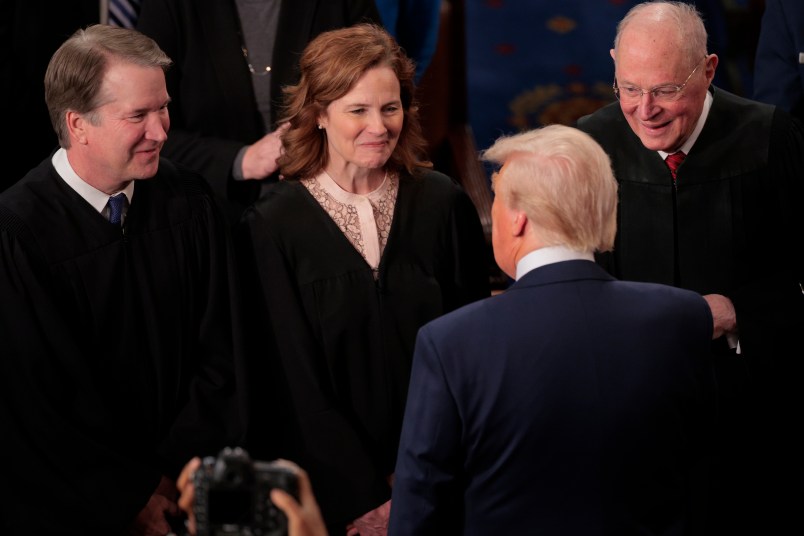
The United States Supreme Court has been asked by the Justice Department to intervene in lower court rulings that ordered the reinstatement of two federal board members dismissed by former President Trump, arguing that these decisions undermine presidential authority and separation of powers. Solicitor General D. John Sauer contends that the protections against at-will firing do not apply to the members of the Merit Systems Protection Board and the National Labor Relations Board, seeking emergency relief from the Supreme Court. The Justice Department's appeal, which includes a request for a stay and for the Supreme Court to directly take up the case, highlights the urgency and potential implications for presidential power over independent federal agencies.
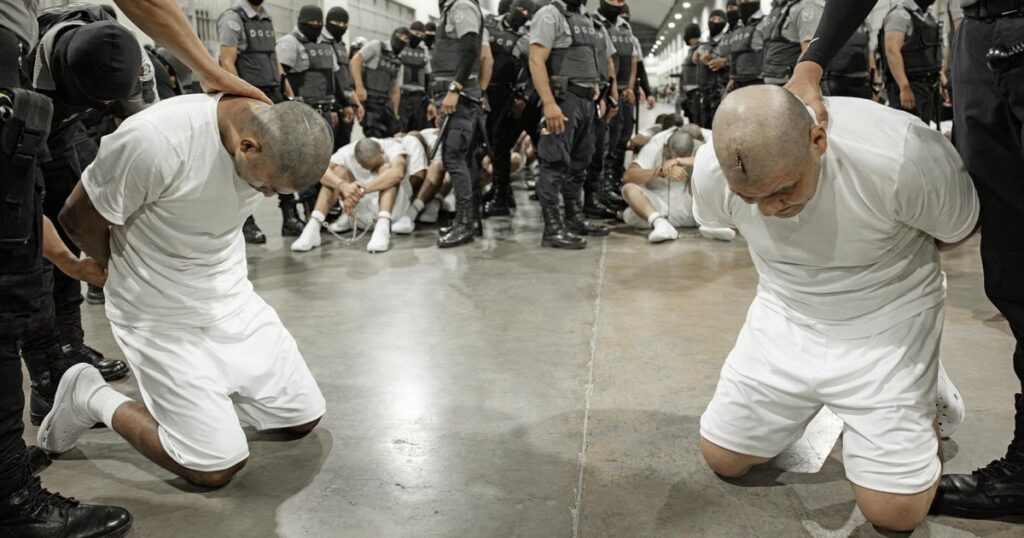
The Supreme Court ruled 5-4 in favor of the Trump administration's use of the Alien Enemies Act of 1798 to expedite the deportation of individuals alleged to be members of the Tren de Aragua gang, provided they are afforded due process. This decision overturns a previous federal judge's order that had halted these deportations due to concerns about the lack of legal proceedings. The Supreme Court emphasized the importance of jurisdiction, noting that the detainees are held in Texas, and redirected the legal proceedings to a more appropriate venue, highlighting the ongoing debate over immigration policy and the application of historical statutes.

Chief Justice John Roberts has temporarily stayed a lower court's order requiring the return of Kilmar Armando Abrego Garcia, who was mistakenly deported to El Salvador, to allow the Supreme Court more time to review the case. The Justice Department sought emergency relief from the Supreme Court as the Trump administration faced a deadline to bring Abrego Garcia back, raising significant questions about the criteria for deportation. This case underscores the complexities of immigration enforcement and deportation processes, with the Supreme Court's forthcoming decision potentially impacting similar future cases.
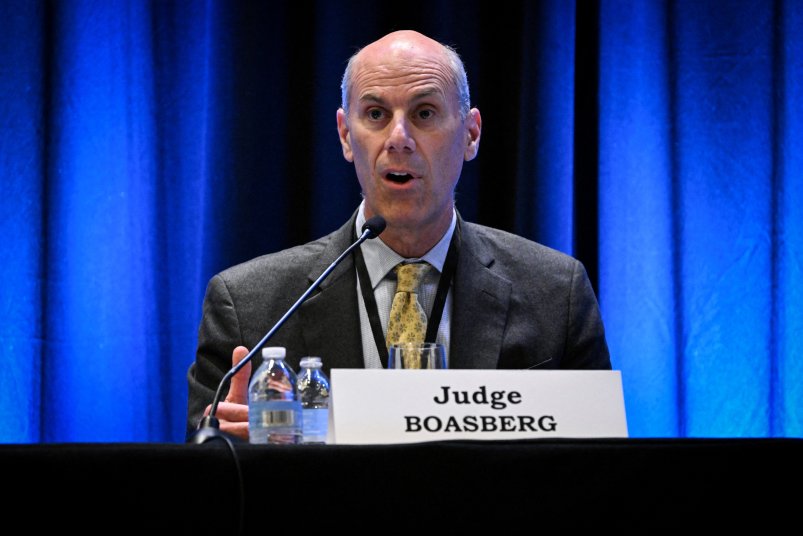
Recent legal proceedings have highlighted concerns over the Trump administration's handling of deportation cases, with federal judges criticizing the government's compliance with court orders. U.S. District Judge James Boasberg questioned the Justice Department's actions regarding the deportation of Venezuelan detainees, despite his order to keep them in U.S. custody, and indicated the possibility of contempt proceedings. These cases underscore the judiciary's active role in scrutinizing immigration policies and ensuring government accountability, reflecting the checks and balances of the U.S. legal system.
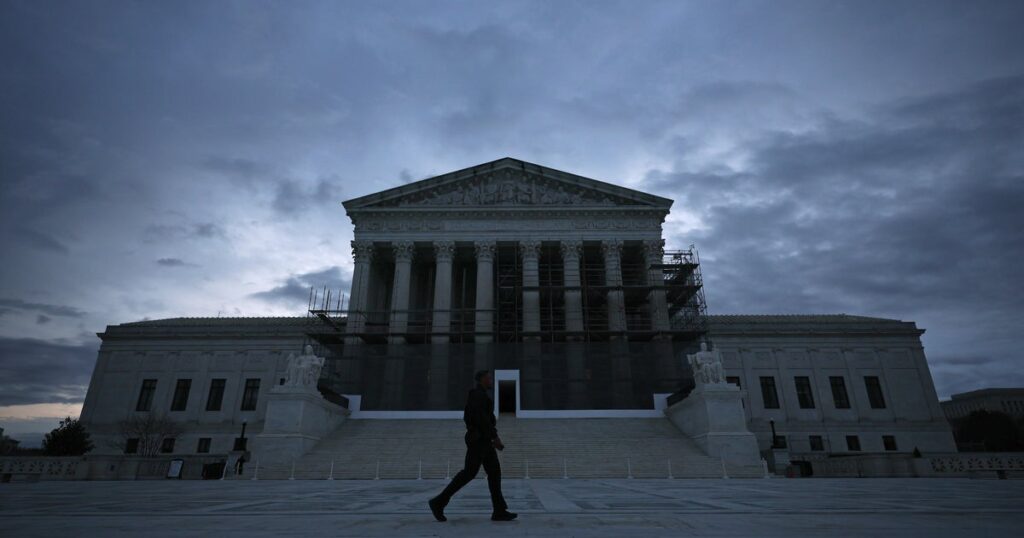
The Supreme Court, in a narrow 5-4 decision, has temporarily halted a lower court's order that required the continuation of federal education grants, allowing the Trump administration to cancel these funds. The grants, which were aimed at supporting diversity, equity, and inclusion programs, were previously ordered to be reinstated by a Massachusetts federal judge who argued that the administration did not follow proper legal procedures. The Supreme Court's ruling, which questions the lower court's authority, will stand while further legal proceedings are underway, marking a significant legal victory for President Trump and raising concerns about the future of such educational programs.