
A legal dispute has arisen involving Rümeysa Öztürk, a Turkish doctoral student at Tufts University, who was detained by ICE and transferred to a detention center in Louisiana, despite a federal judge's order for her to remain in Massachusetts. Tufts University has publicly supported Öztürk and petitioned for her release, highlighting tensions over the treatment of foreign students in the U.S. A hearing in the U.S. District Court for Massachusetts will examine the legality of her detention and transfer, with potential implications for immigration enforcement and international students.
Posts tagged as “The Justice Department”
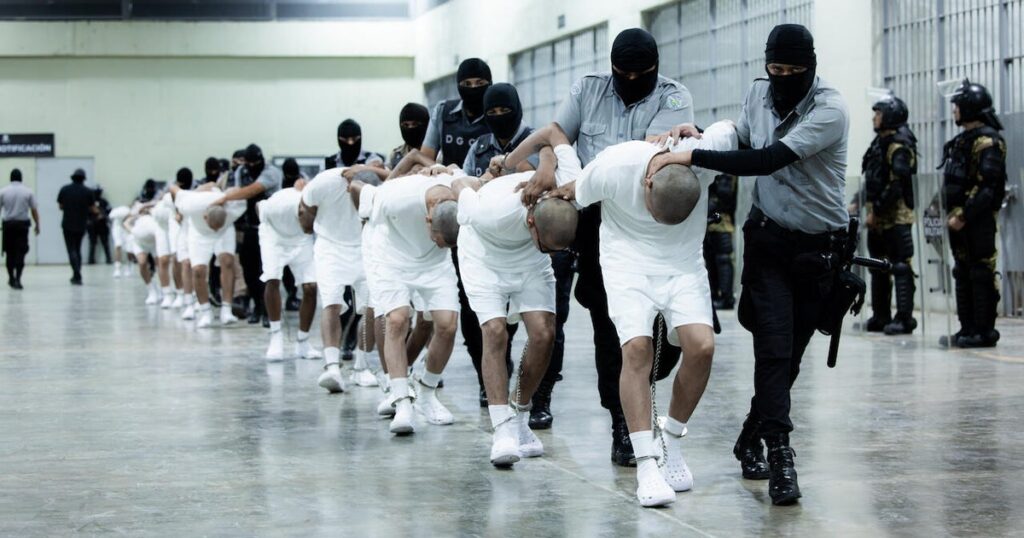
The U.S. government has admitted to an error in the deportation of Kilmar Abrego Garcia, a Salvadoran man who was sent to a supermax prison in El Salvador despite a legal order protecting him from removal. This incident has sparked legal challenges and criticism over the methods used to determine deportations, particularly the reliance on tattoos and social media posts as evidence. The deportation flights have become the focus of a legal dispute, with U.S. District Court Judge James Boasberg blocking further deportations of alleged gang members, highlighting the ongoing controversy over U.S. immigration policies and the criteria for deportations.
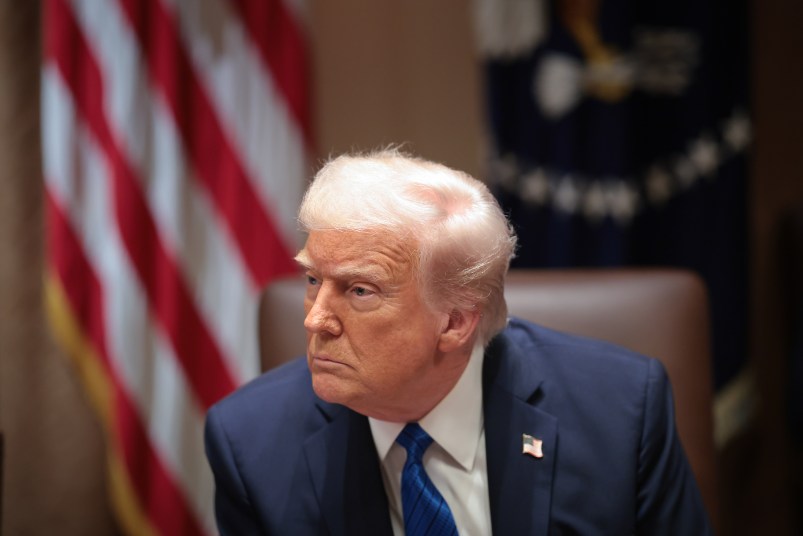
The Justice Department has requested emergency intervention from the Supreme Court after a federal appeals court in Washington blocked the deportation of individuals suspected to be members of the Tren de Aragua gang to El Salvador, a move initially pursued under the Trump administration using the wartime Alien Enemies Act. This legal conflict, which involves U.S. District Judge James Boasberg deliberating on potential contempt of court by the administration, highlights the ongoing tension between the executive branch and the judiciary over immigration policies and the use of wartime authority. The split decision by the appeals court, with Judges Karen Henderson and Patricia Millett in the majority and Judge Justin Walker dissenting, underscores differing judicial perspectives on national security and immigration enforcement, with Acting Solicitor General Sarah Harris noting the case's potential impact on the separation of powers.

A woman was distressed to see her partner in a video from an El Salvador prison after his deportation, highlighting the controversy surrounding the Trump administration's handling of Venezuelan migrant deportations. The administration is under scrutiny for potentially defying a federal judge's order to halt deportations, raising questions about its efforts to circumvent legal intervention. This case underscores the tension between the executive branch and the judiciary over immigration policies, with conflicting information from ICE agents further complicating the legal and humanitarian aspects.

President Donald Trump has issued a memorandum titled "Preventing Abuses of the Legal System and the Federal Court," which empowers Attorney General Pam Bondi and the Secretary of Homeland Security to sanction law firms filing "frivolous" lawsuits against his administration. This directive, which includes the potential revocation of security clearances for attorneys involved in such cases, has raised concerns among legal experts about its implications for the balance of power between the executive branch and the judiciary. Concurrently, Canada's Prime Minister has announced snap elections amid trade tensions with the U.S., adding complexity to the international political landscape.
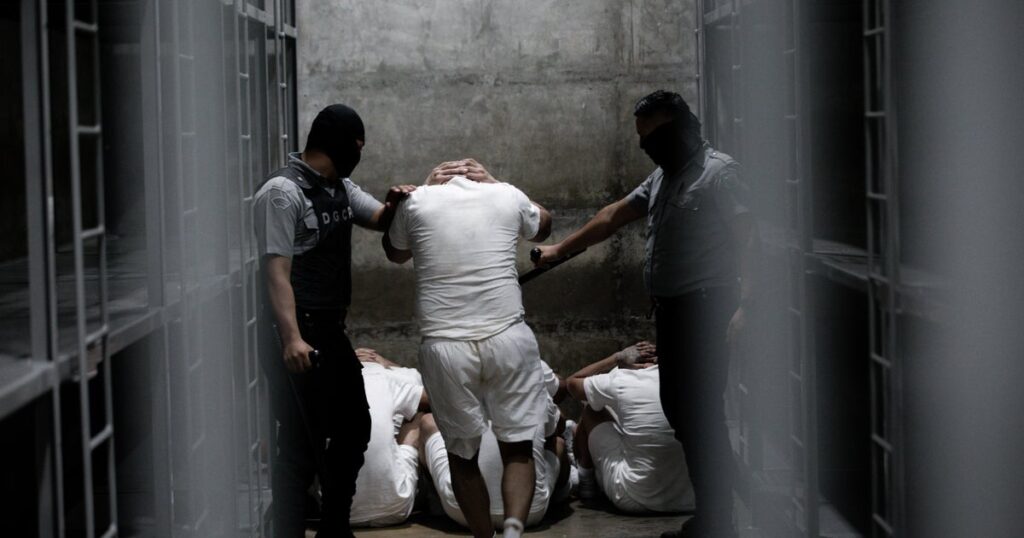
U.S. District Judge James Boasberg has blocked the administration from using the Alien Enemies Act to deport Venezuelan nationals to El Salvador, following a hearing where he criticized the Justice Department's actions and language as disrespectful. The judge highlighted the administration's failure to comply with a previous order to reverse deportation flights, raising concerns about legal protocol adherence and due process for affected individuals. This ruling has sparked discussions on balancing national security with individual rights, emphasizing the judiciary's role in overseeing executive actions related to immigration and national security.

Several federal judges have expressed concerns about the Trump administration's approach to advancing its policies, amid criticism from Trump and his supporters towards the judiciary. U.S. District Judge Ellen Lipton Hollander issued a temporary restraining order against the Department of Justice's DOGE Team, criticizing their efforts to access personal information from the Social Security Administration as lacking substantial evidence. Additionally, tensions have escalated with former President Trump calling for the impeachment of a judge who halted deportations, highlighting the ongoing friction between the executive branch and the judiciary.
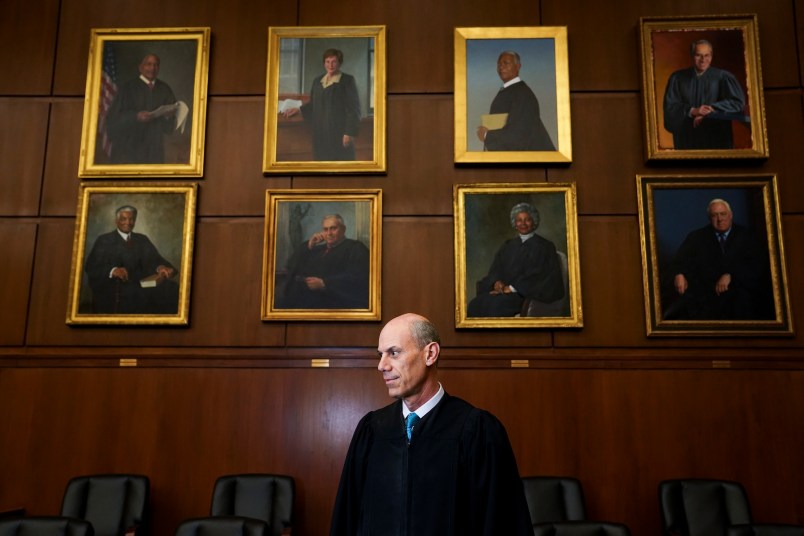
A federal judge has criticized the U.S. government's inadequate response to requests for detailed information about deportation flights conducted under the Alien Enemies Act, involving individuals linked to a Venezuelan gang. The judge's ruling highlights tensions between the judiciary and the executive branch over the Trump administration's use of this seldom-invoked wartime law, raising questions about the balance between national security and legal protocols. As the case progresses, the demand for transparency and accountability could significantly impact future applications of the Alien Enemies Act and the rights of those affected.