
Ed Martin, the Justice Department’s new pardon attorney, has begun reviewing pardon applications for several January 6 defendants, including Oath Keepers founder Stewart Rhodes and prominent Proud Boys members, following discussions with their attorneys. While former President Trump granted pardons to many Jan. 6 defendants, some key figures only received commutations, and the current review process aims for a more measured and fair approach, with input from former clemency recipient Alice Johnson. Meanwhile, ongoing legal and political challenges related to the Trump administration’s legacy continue, including disputes over executive power, election investigations, and immigration litigation.
Posts tagged as “The Justice Department”
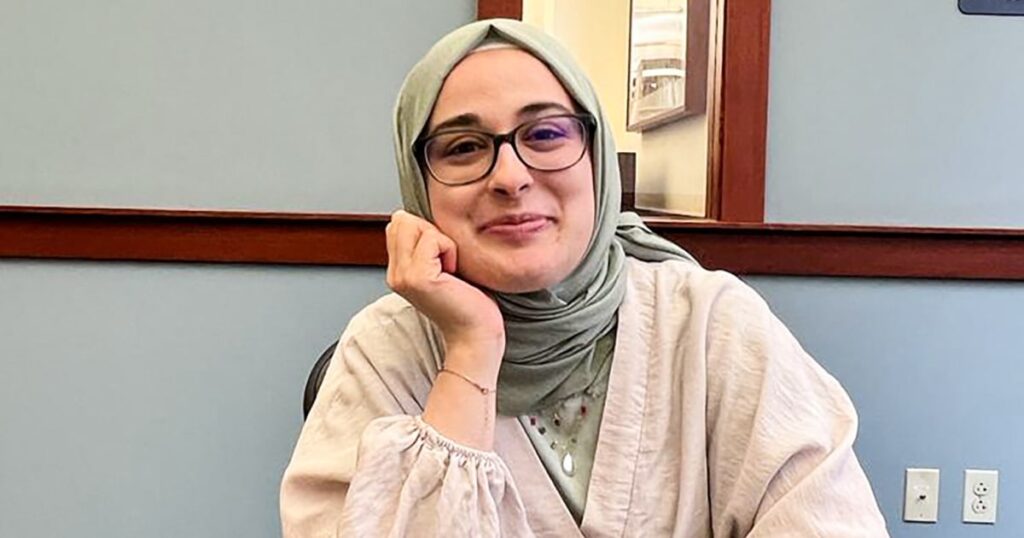
Attorneys for Columbia University activist Mahmoud Khalil have requested the termination of his deportation proceedings, citing his warrantless arrest by ICE, which the Trump administration has acknowledged. In a related case, a federal judge has ordered the transfer of Tufts University student Rümeysa Öztürk to Vermont, where she is challenging her detainment, despite the government's request to delay the move. These cases highlight the legal challenges and complexities surrounding immigration enforcement, potentially impacting broader discussions about deportation rights and procedures in the United States.
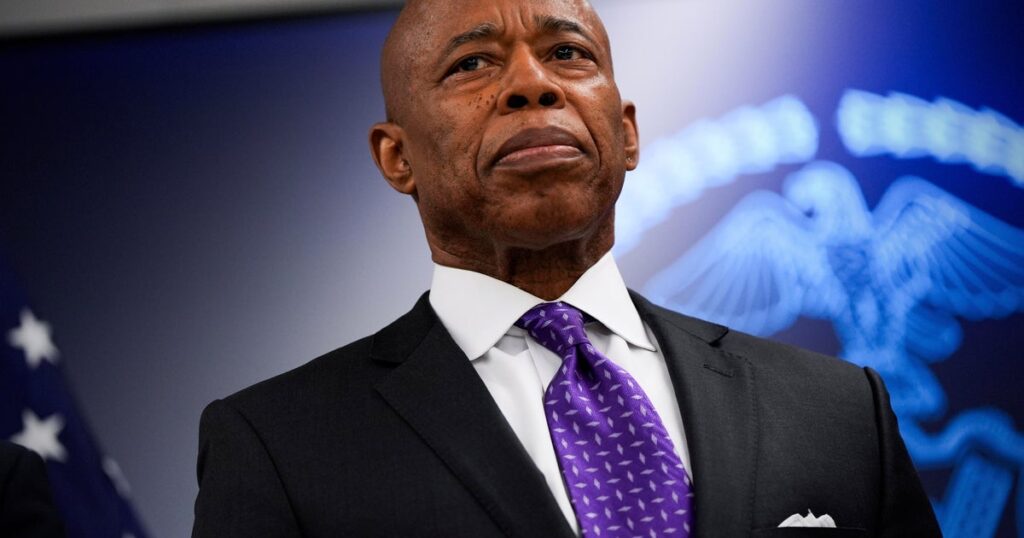
Three federal prosecutors from the U.S. Attorney's Office in Manhattan have resigned due to pressure from Trump administration allies within the Justice Department over a corruption case involving New York City Mayor Eric Adams. The case, which involved allegations of bribery and fraud, was dismissed in February, leading to tension between career prosecutors and political appointees. The resignations highlight the challenges of maintaining legal integrity amid political pressure and raise concerns about the independence of the Justice Department.
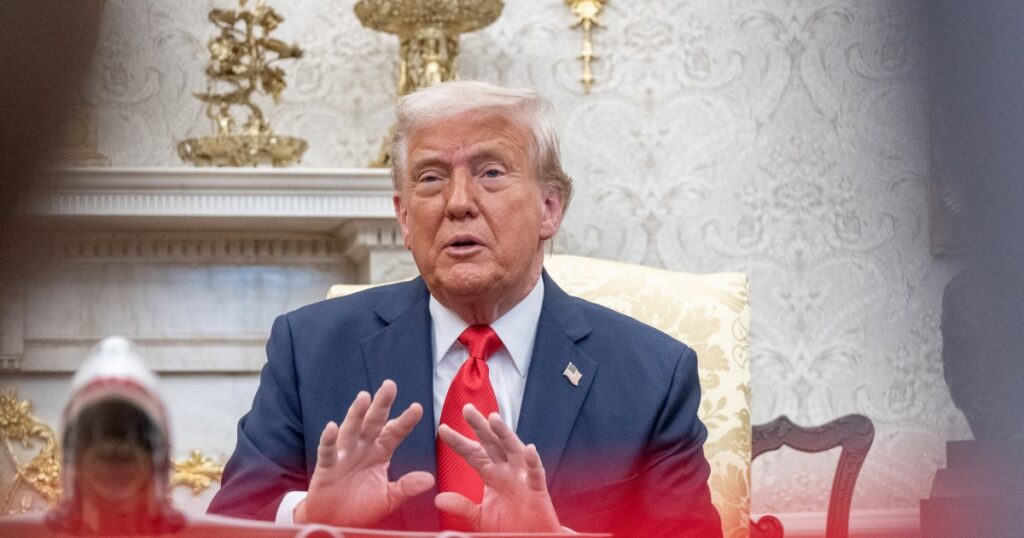
U.S. District Judge Paula Xinis has criticized the Trump administration for providing "vague, evasive, and incomplete" responses in the deportation case of Kilmar Abrego Garcia, who was mistakenly deported to a prison in El Salvador. The Justice Department's refusal to fully comply with discovery obligations has drawn further scrutiny from the judiciary and lawmakers, with California Representative Robert Garcia and other Democratic lawmakers visiting El Salvador to advocate for Abrego Garcia's return. This case highlights broader issues with deportation practices and international diplomatic efforts, as well as the complexities faced by individuals in such legal situations.

Walgreens Boots Alliance has agreed to a $300 million settlement with the U.S. Justice Department to resolve allegations of unlawfully dispensing opioids and other controlled substances, with claims that the pharmacy chain filled millions of invalid prescriptions over more than a decade. The settlement, which could increase by $50 million if Walgreens undergoes a sale or merger before 2032, aims to address the role these practices played in the opioid crisis and prevent future occurrences. Despite the settlement, Walgreens denies any liability, with a spokesperson stating that the company disagrees with the government's legal theory and is settling to move past the legal challenges.

The case of Kilmar Abrego Garcia, a Maryland resident mistakenly deported to El Salvador, has drawn attention due to newly released documents by the Trump administration, which describe his deportation as an "administrative error." Court records reveal that his wife filed a protective order against him in 2021 for alleged domestic violence, and further documents indicate a 2019 arrest where he was identified as a member of the MS-13 gang. These developments highlight the complexities of immigration enforcement and the significant consequences of errors within the system.
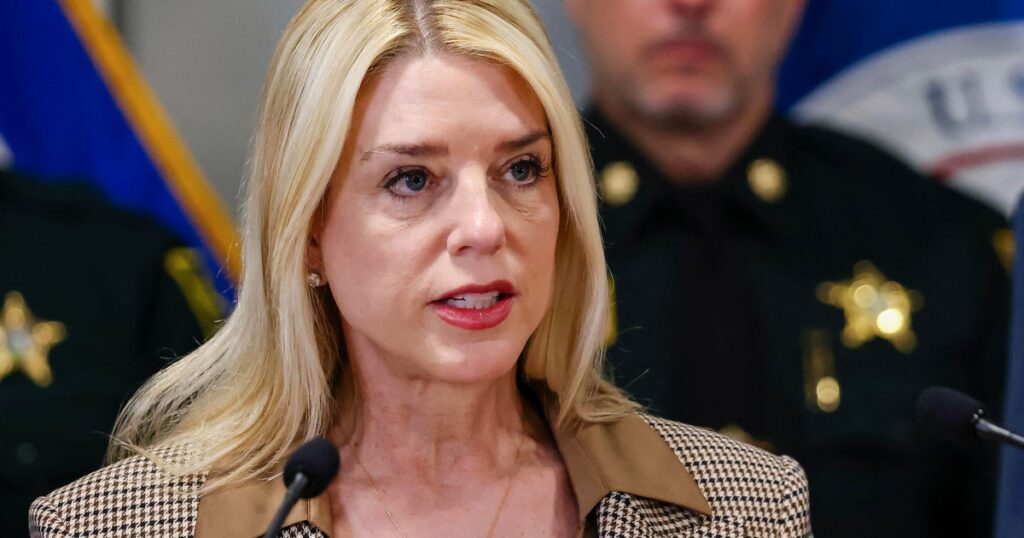
In February, President Trump signed an executive order to ban transgender girls and women from participating in sports teams that align with their gender identity, interpreting Title IX to exclude transgender athletes from girls' and women's sports. This move has led to legal and political debates, including a lawsuit against Maine's Department of Education for allegedly not complying with the federal interpretation of Title IX. The conflict has escalated into a broader confrontation between the Republican-led federal government and Democratic Governor Janet Mills, who has resisted the directive and is prepared to challenge it in court.
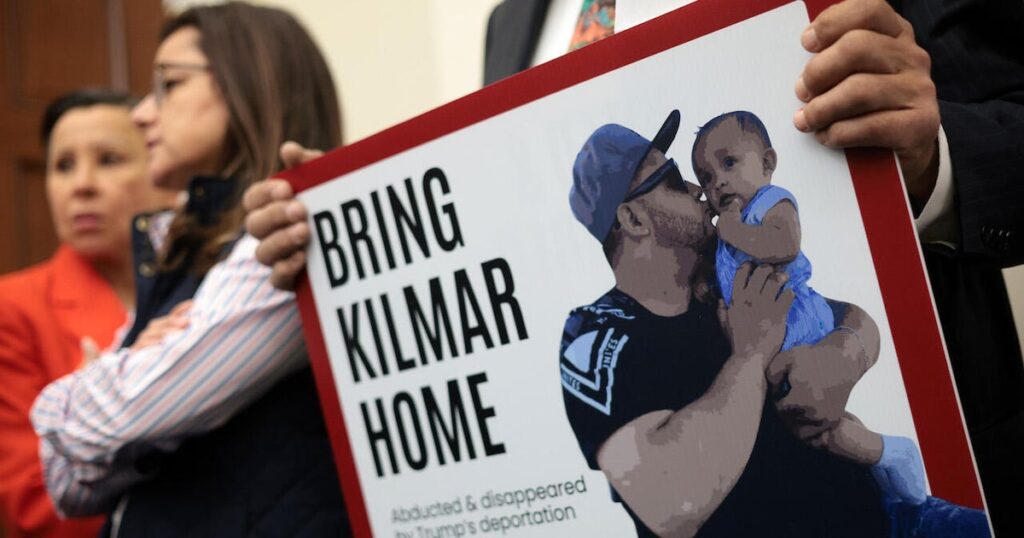
The case of Kilmer Abrego Garcia, a Maryland resident mistakenly deported to El Salvador, has gained significant attention following a Supreme Court ruling that mandates the U.S. government to facilitate his release from a Salvadoran prison. U.S. District Judge Paula Xinis has requested updates on his current status and the efforts made by the Justice Department to rectify the deportation error, including diplomatic communications with Salvadoran authorities. Senator Chris Van Hollen has been actively involved, expressing concern for Abrego Garcia's well-being and seeking to engage with Salvadoran President Nayib Bukele to expedite his return to the United States.