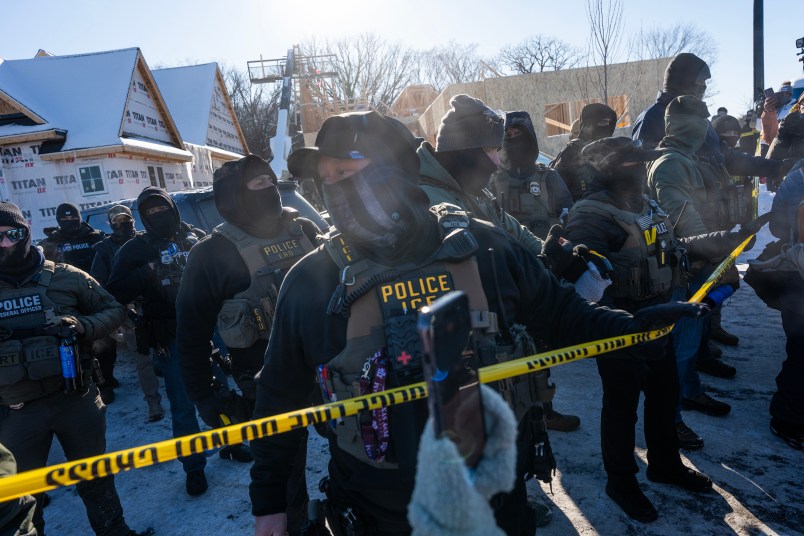
Minnesota prosecutors charge ICE officer Christian Castro with assault and false reporting after he allegedly shot a Venezuelan man during a January immigration enforcement action. The case raises questions about state authority to prosecute federal agents.
Posts tagged as “the Department of Homeland Security’s Office of Intelligence and Analysi”
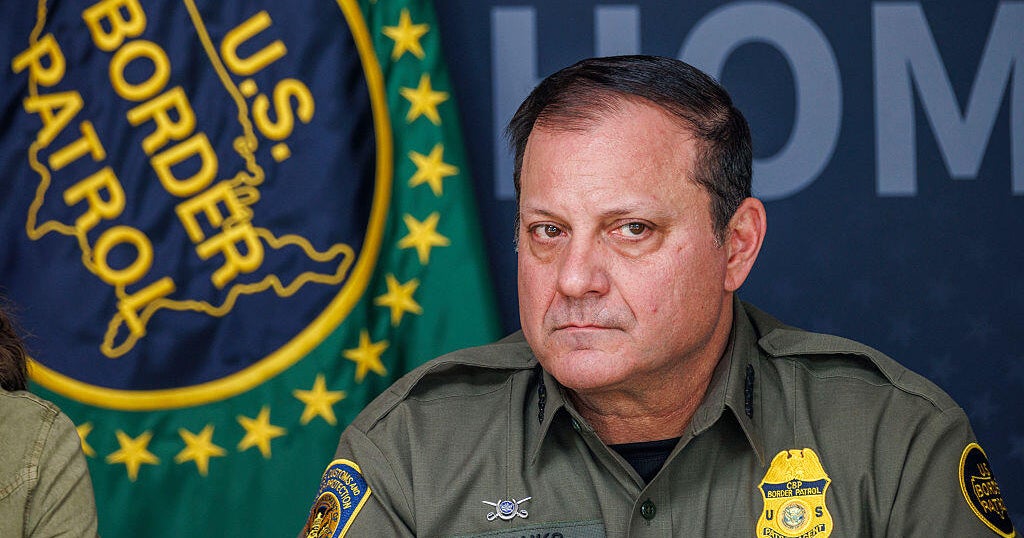
Michael Banks, chief of the U.S. Border Patrol, resigns amid a series of leadership changes in immigration enforcement under the Trump administration. Banks cited family reasons and highlighted his role in securing the border during his tenure.
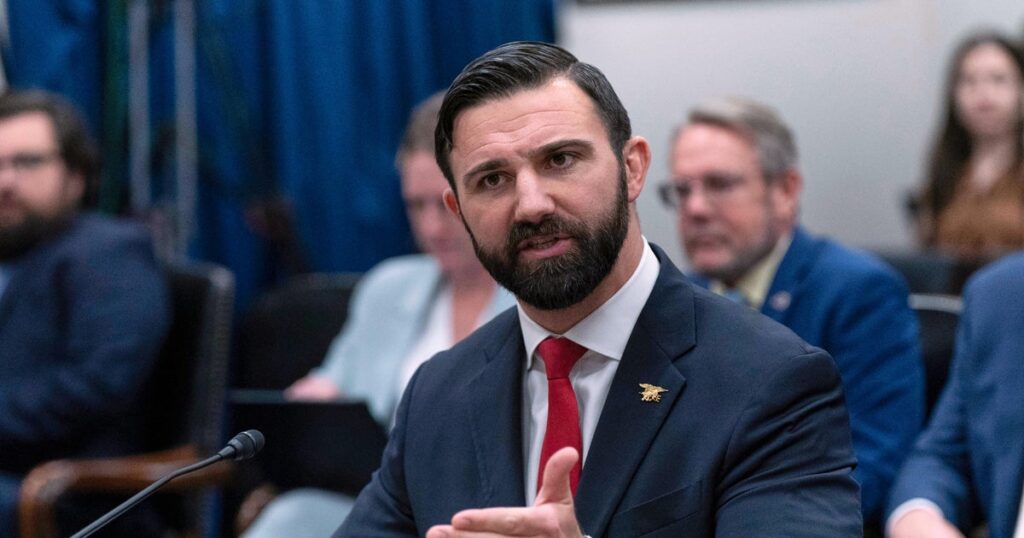
President Trump plans to nominate Cameron Hamilton as FEMA administrator nearly a year after his removal following testimony defending the agency. Hamilton, a former Navy SEAL, previously led FEMA in an acting capacity and criticized plans to dismantle the agency.

An ICE agent in Minnesota faces felony assault charges for allegedly pointing a gun at two drivers during a federal immigration enforcement operation. The charges mark the first criminal case tied to the controversial Operation Metro Surge.
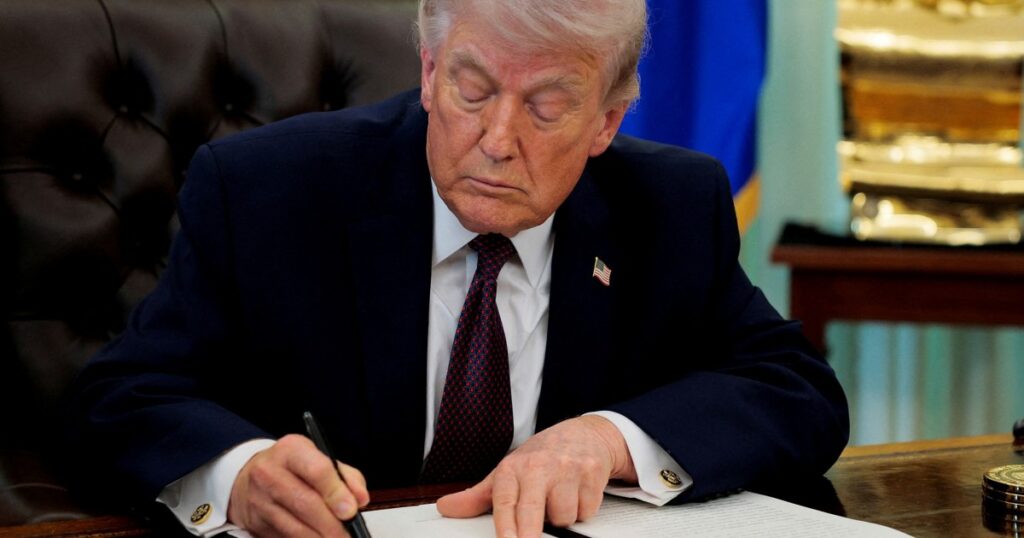
President Trump orders the Department of Homeland Security to pay all employees amid a nearly 50-day shutdown. Over 35,000 workers, including FEMA and Coast Guard civilians, have gone unpaid due to a congressional impasse over immigration policy.
The Senate advances a plan to fund most of the Department of Homeland Security as President Trump pledges to pay all DHS employees amid a partial government shutdown. Lawmakers face divisions over funding immigration enforcement agencies, with Republicans pursuing a two-track strategy to end the shutdown.
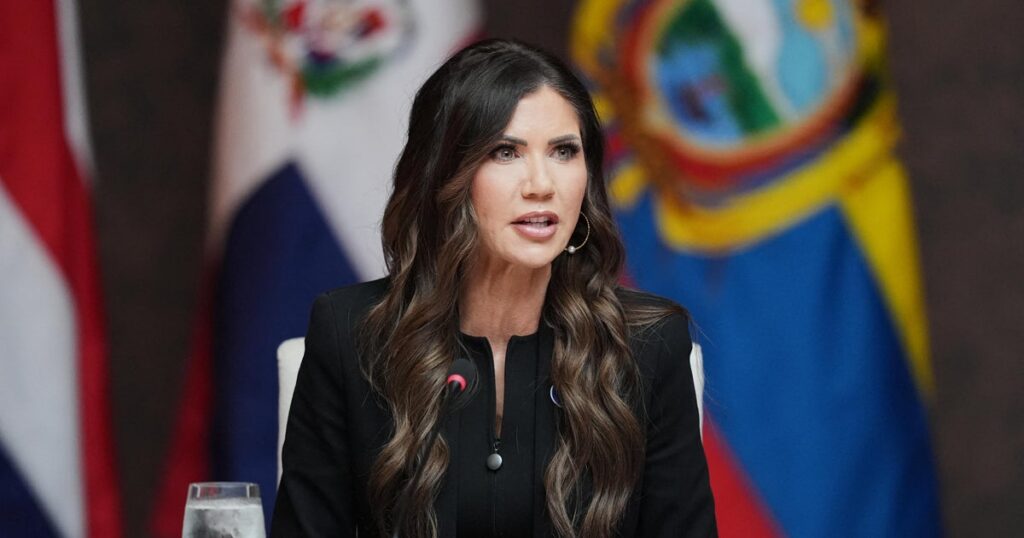
The Department of Homeland Security (DHS) has rescinded a policy requiring the secretary’s personal review of contracts over $100,000, a change expected to reduce procurement delays that previously hindered agencies like FEMA, CBP, and ICE. Secretary Markwayne Mullin emphasized empowering agency components to make decisions and has also begun reevaluating ICE’s detention facility plans. Meanwhile, amid a partial government shutdown affecting DHS operations, congressional leaders proposed a two-track funding plan to reopen DHS and address immigration enforcement funding separately, though political disagreements continue to stall progress.

A federal judge in Massachusetts has ordered the Trump administration to reinstate the temporary parole status of hundreds of thousands of migrants who entered the U.S. lawfully through the Biden-era CBP One app, ruling that the administration’s termination of their status violated federal procedures and exceeded DHS authority. The Trump administration had revoked parole en masse in 2025 without personalized notice, citing border security concerns, but the judge found this action unlawful and sided with immigration advocacy groups representing affected migrants. While the Department of Homeland Security opposes the ruling and plans to appeal, the decision restores legal protections for many migrants, though the full impact remains uncertain.