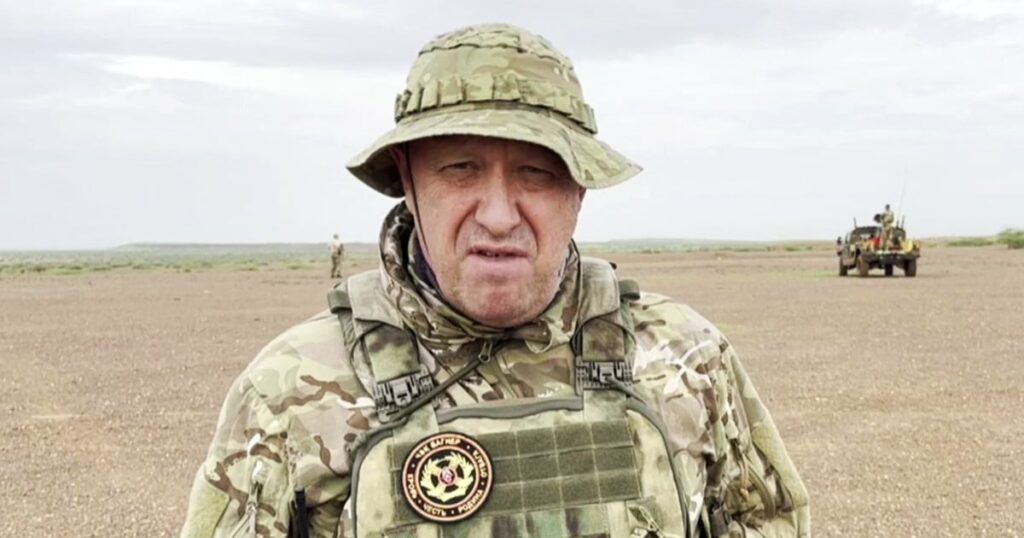
On Wednesday evening, a private Embraer Legacy aircraft crashed in Russia's Tver region, killing all 10 people on board. The plane was registered to Wagner, a mercenary group led by Yevgeny Prigozhin, and had taken off from Moscow earlier in the evening. The Russian Ministry of Emergency Services has launched an investigation into the crash, and Russian state media has reported that Prigozhin was among the passengers on board.
Posts tagged as “Moscow”
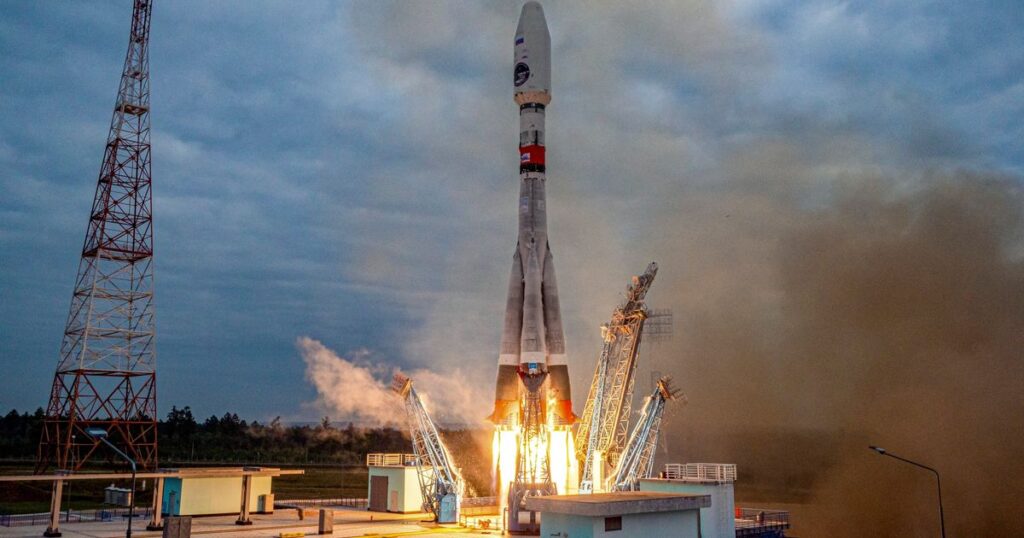
NASA is preparing for the launch of Crew-7 on Friday, while Russia's attempt to return to the moon has failed. On Tuesday, Russia launched a Progress cargo ship to the International Space Station, two-and-a-half days before the SpaceX Crew Dragon capsule is scheduled to take off with four crew members. Despite the setback, NASA and SpaceX are still committed to their mission and are looking forward to the launch of Crew-7.
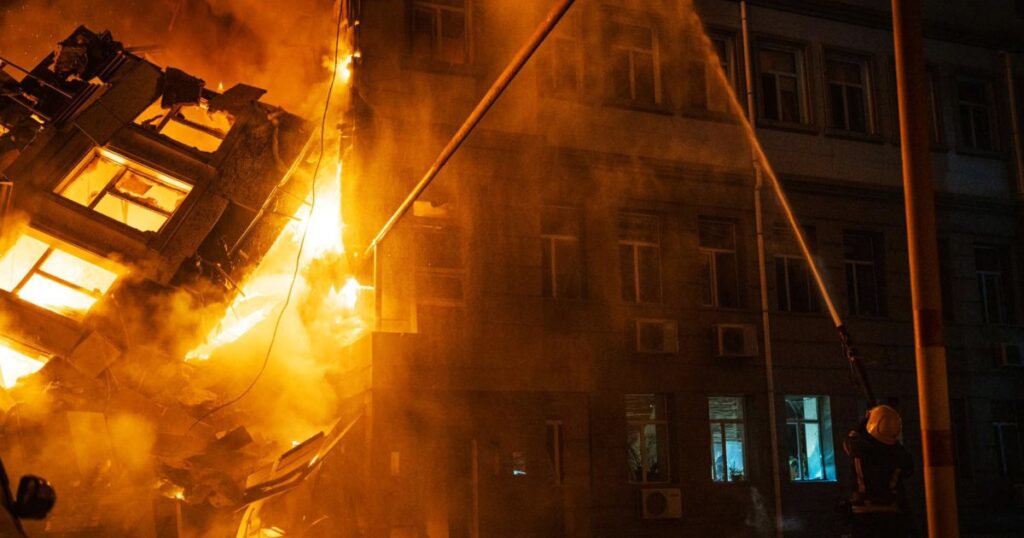
This article discusses the recent escalation of tensions between Ukraine and Russia, following a Ukrainian drone strike on an ammunition depot in Crimea and a predawn strike on a key bridge linking the peninsula to Russia. Russia has responded by launching missiles and drones against Ukraine's seaports, and the Ukrainian military has confirmed it has launched a drone strike against an oil depot and Russian arms warehouses.
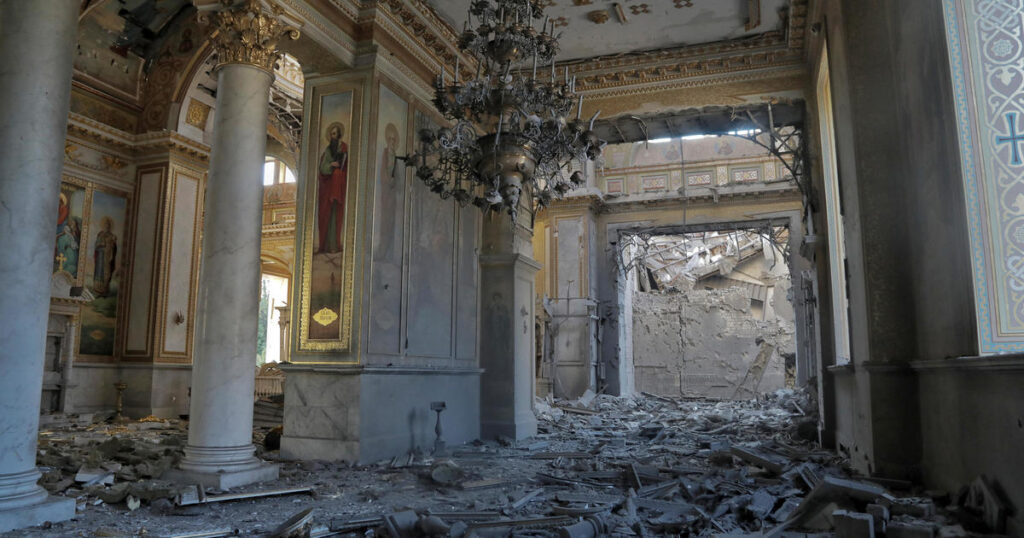
Russian air strikes on the port cities of Odesa and Mykolaiv in Ukraine have caused extensive damage and injured at least two people. Ukraine's air defenses shot down some of the missiles, but the damage indicates that not all of them were stopped. The attack follows Moscow's withdrawal from a deal allowing Ukraine's cargo ships safe passage and its vow of "retribution" for an attack on a bridge between Russia and the Moscow-annexed Crimean Peninsula. The Ukrainian government has condemned the strikes and the United Nations Security Council is expected to meet to discuss the situation.
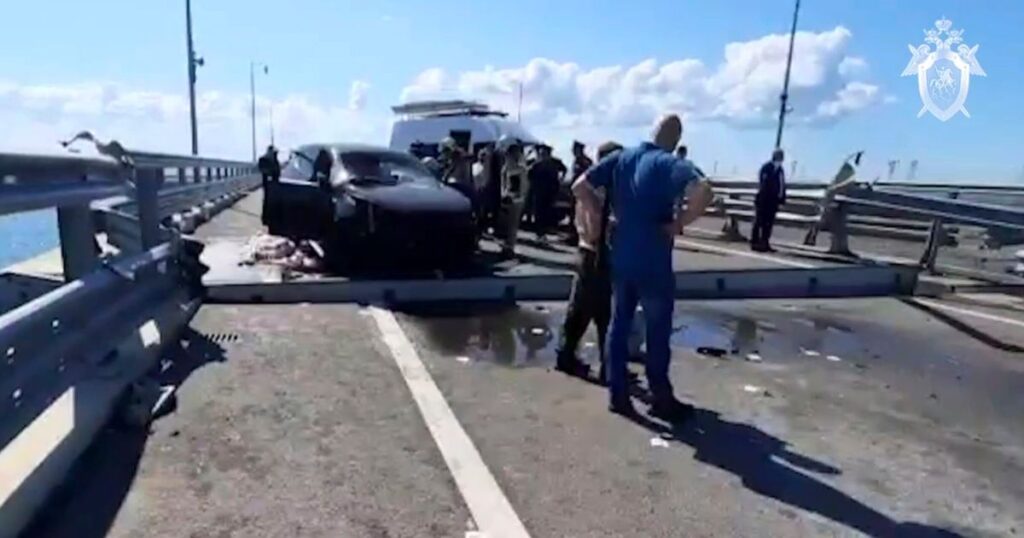
On Monday, a married couple and their daughter were killed and wounded, respectively, after a section of the Kerch Bridge between Russia and the Moscow-annexed Crimean Peninsula was blown up. The incident has caused tension between the two countries, with both accusing each other of being responsible, and has sparked international outrage. The United Nations Security Council is expected to hold an emergency meeting to discuss the incident.

The University of Idaho has reversed its decision to demolish the house where four college students were brutally stabbed to death last November, following outrage from some of the victims' families. The university has apologized for not consulting the families and has promised to work with them to ensure that the house is preserved in a way that honors the victims, and to create a memorial for the victims. The university has not yet announced what will happen to the house after October.

Russian President Vladimir Putin met with Yevgeny Prigozhin, the founder of the Wagner Group, a private military company, on June 29th. The meeting, which was attended by 35 people, could signal a possible reconciliation between the two men and have implications for the group's operations around the world, including the conflict in Ukraine.

This article discusses the mysterious fate of the Wagner Group, a Russian mercenary group led by Yevgeny Prigozhin, who attempted to march on Moscow in a mutiny against the Kremlin's military leaders. Alexander Lukashenko, the leader of Belarus, has stated that Prigozhin is in St. Petersburg and his troops have remained at the camps they stayed in before the attempted mutiny, contradicting the Kremlin's statement that they had been exiled to Belarus. The mystery continues, with no clear answer as to their whereabouts or if Prigozhin will face any consequences.