Iran fired missiles at Israel after an Israeli strike on Beirut’s southern suburbs killed at least two people. The escalation threatens fragile ceasefire efforts as mediators from Pakistan, Egypt and Qatar pursue talks involving Iran and the United States.
Posts tagged as “IRGC”
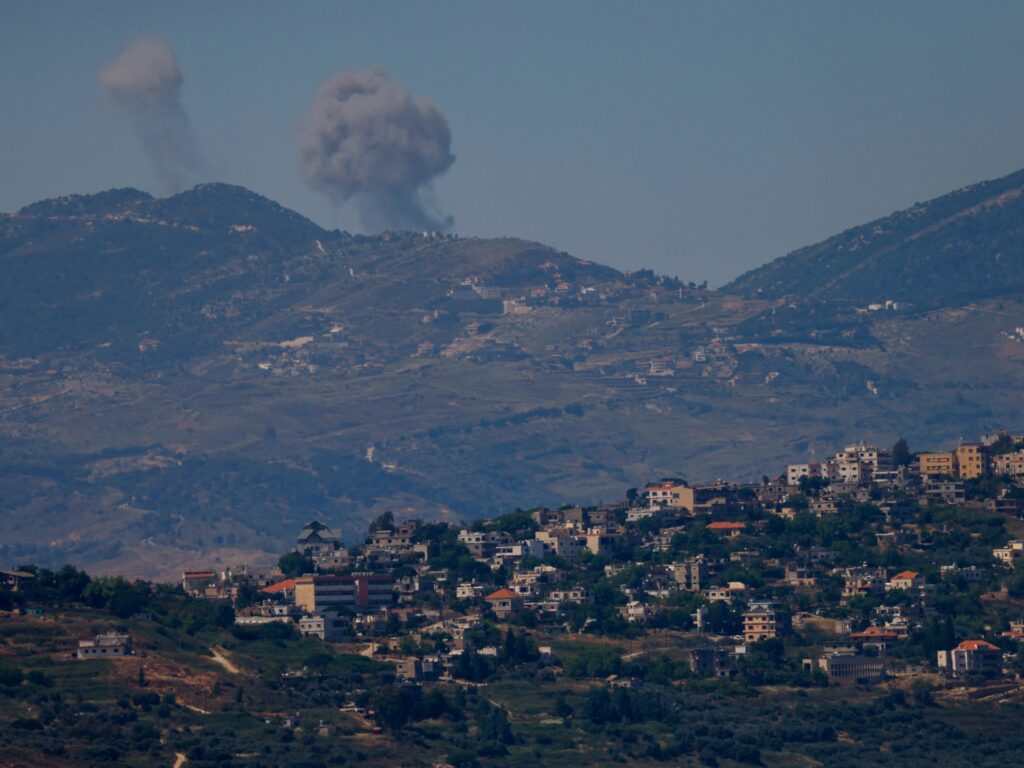
Iran launched missiles and drones toward Kuwait and Bahrain after US strikes on Iranian sites, raising pressure on stalled talks over a ceasefire. The escalation came as Israeli strikes in Lebanon killed nine people, including Lebanese soldiers.
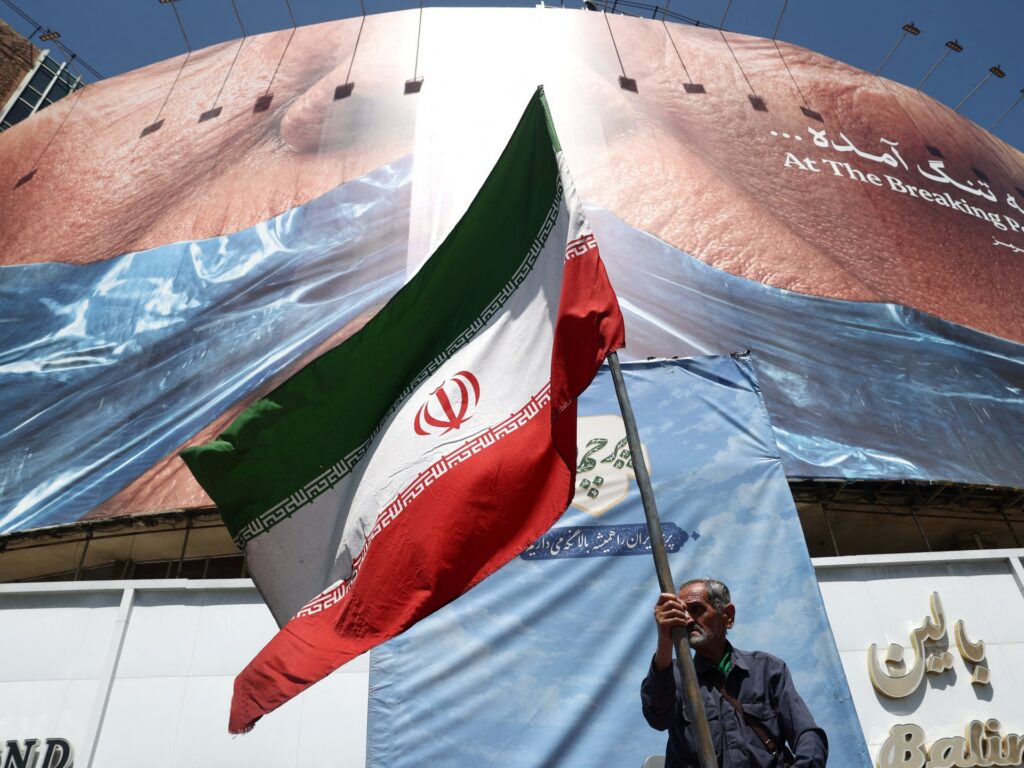
The U.S. military said it downed four Iranian drones near the Strait of Hormuz and struck radar sites on Iran’s southern coast. Iran has not commented on those strikes, while both sides continue to dispute recent incidents in the Gulf.

Kuwait said an Iranian missile and drone attack hit its international airport, killing one person and wounding others, as U.S. and Iranian forces traded strikes. President Trump denied Iranian media reports that indirect talks had stopped, saying negotiations were continuing.
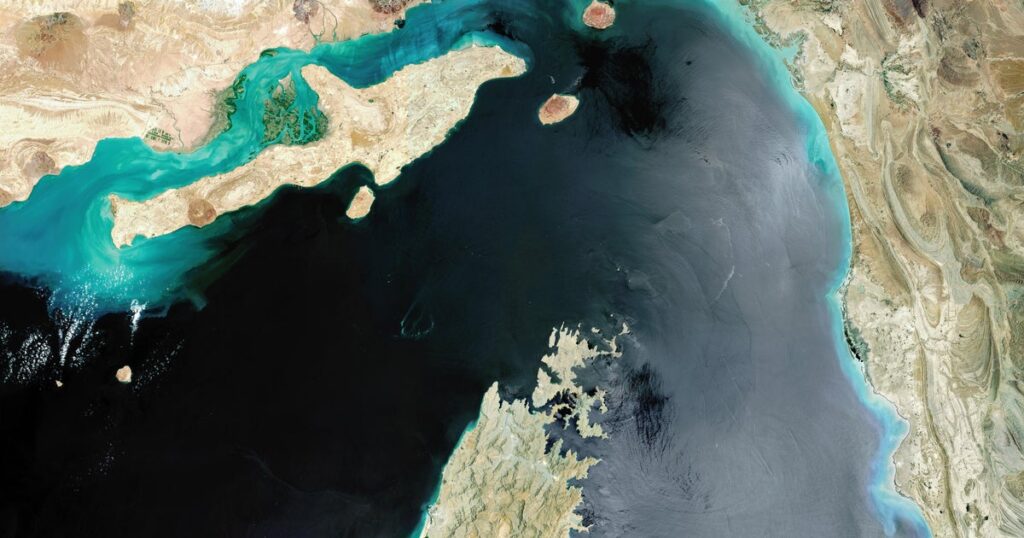
U.S. forces struck a military site on Iran’s Qeshm Island after shooting down Iranian drones and missiles, while Iran said its attacks responded to U.S. action against a tanker. The clashes come as ceasefire negotiations remain stalled and shipping through the Strait of Hormuz is disrupted.
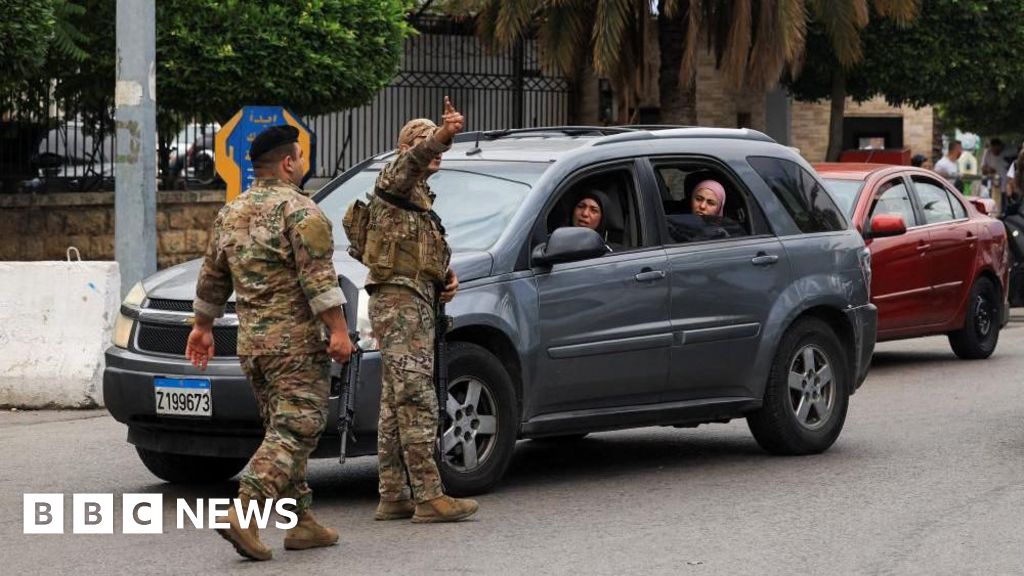
Iran warns Israeli attacks in Lebanon and Gaza threaten the US ceasefire, risking the fragile peace agreement amid escalating regional tensions. Tehran has suspended indirect talks and threatened to open new fronts if hostilities continue.
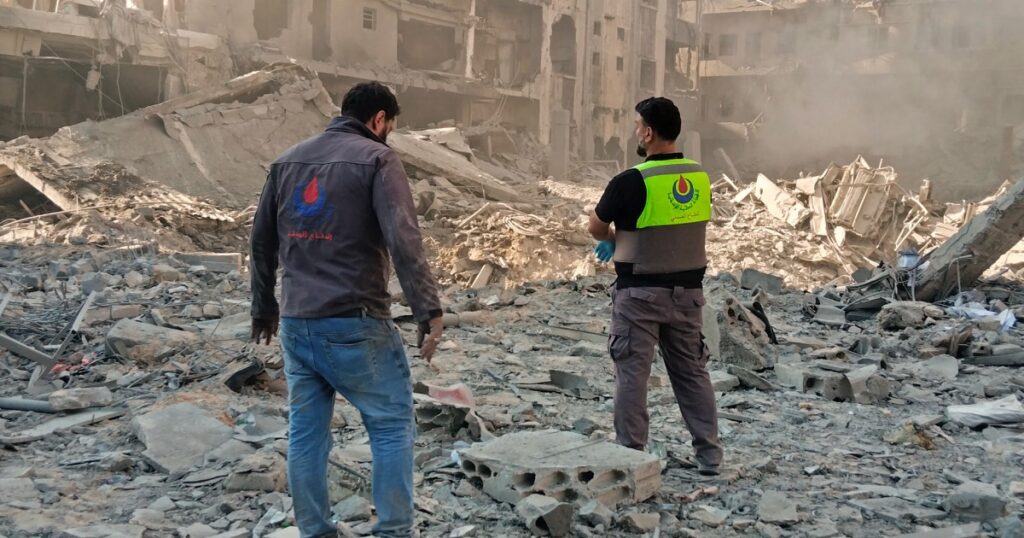
Iran suspends indirect talks with the U.S. amid Israel's intensified Lebanon offensive, as the war that began on March 2 causes thousands of casualties and escalates maritime threats.
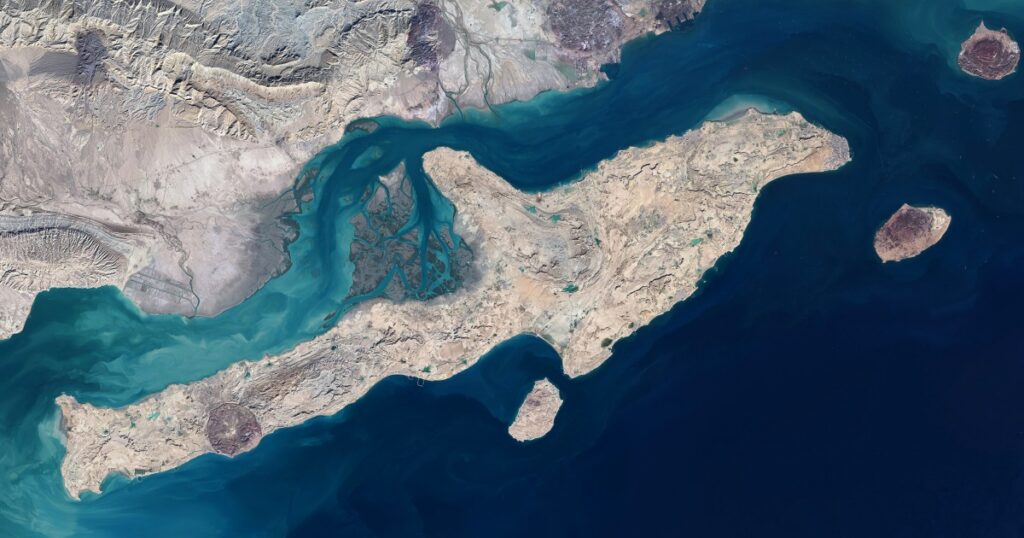
The U.S. and Iran exchanged military strikes over the weekend amid ongoing ceasefire talks, with Kuwait intercepting missile and drone attacks. President Trump expressed optimism about a potential deal despite continued hostilities.