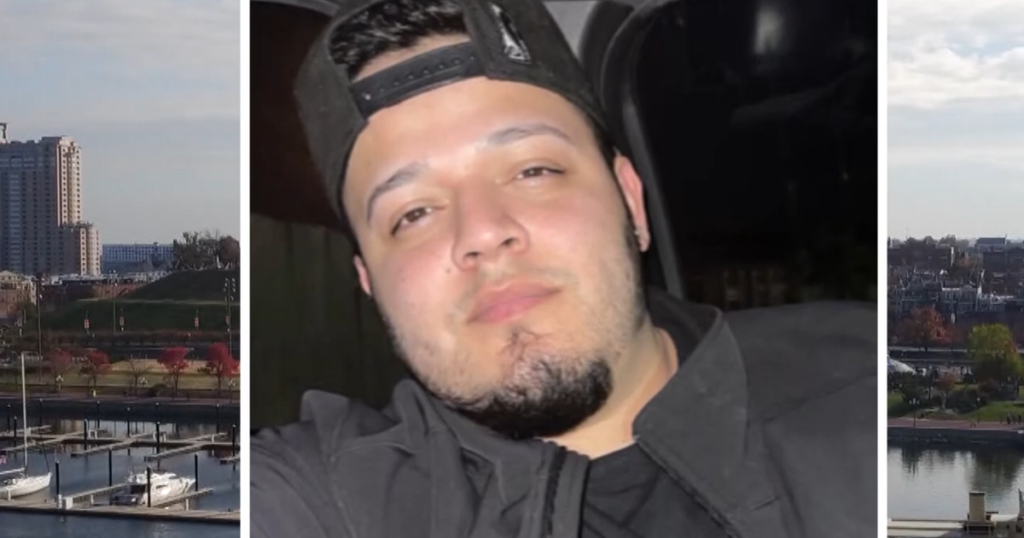
Chief Justice John Roberts has temporarily stayed a lower court's order requiring the return of Kilmar Armando Abrego Garcia, who was mistakenly deported to El Salvador, to allow the Supreme Court more time to review the case. The Justice Department sought emergency relief from the Supreme Court as the Trump administration faced a deadline to bring Abrego Garcia back, raising significant questions about the criteria for deportation. This case underscores the complexities of immigration enforcement and deportation processes, with the Supreme Court's forthcoming decision potentially impacting similar future cases.
Posts tagged as “El Salvador”
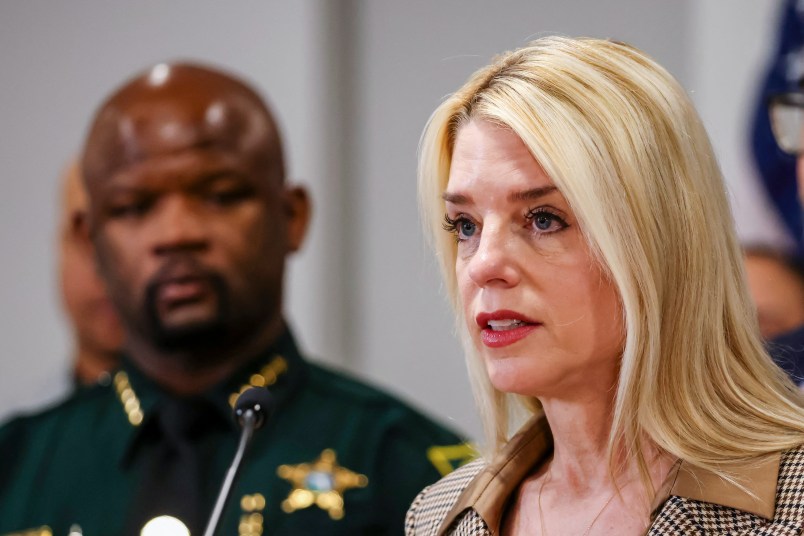
A federal judge has condemned the U.S. government's deportation of Maryland resident Kilmar Armando Abrego Garcia to El Salvador as "wholly lawless," ordering his return to the United States. The case has highlighted tensions between the Trump administration and the judicial branch, particularly due to Garcia's deportation despite a previous immigration judge's order prohibiting his removal due to the risk of persecution by local gangs. As the deadline for compliance with the court order approaches, the situation underscores broader concerns about immigration policy enforcement and the balance of power between government branches.
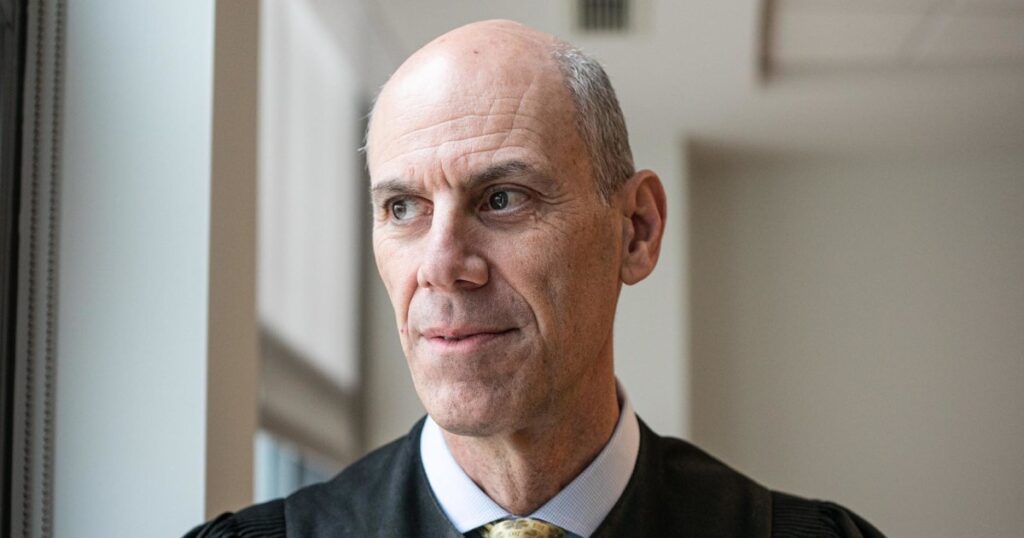
Former President Donald Trump made significant changes to his national security team by dismissing six members of the National Security Council, including Air Force General Timothy D. Haugh, following a meeting influenced by right-wing activist Laura Loomer. In the judicial arena, the Trump administration faced criticism from several judges, including U.S. District Judge James Boasberg, for perceived non-compliance with court orders and employing "bad faith" tactics. Additionally, a federal judge in Maryland ordered the return of a deportee mistakenly sent to a notorious megajail in El Salvador, highlighting the administration's ongoing challenges in legal and immigration matters.
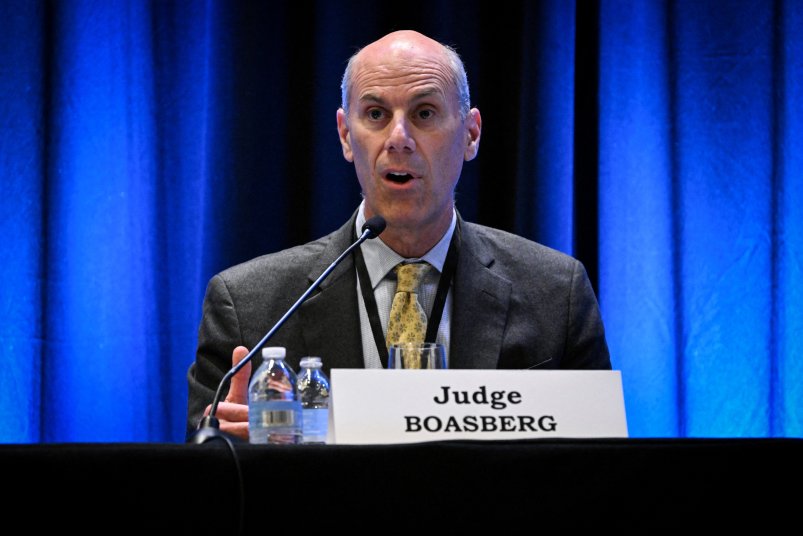
Recent legal proceedings have highlighted concerns over the Trump administration's handling of deportation cases, with federal judges criticizing the government's compliance with court orders. U.S. District Judge James Boasberg questioned the Justice Department's actions regarding the deportation of Venezuelan detainees, despite his order to keep them in U.S. custody, and indicated the possibility of contempt proceedings. These cases underscore the judiciary's active role in scrutinizing immigration policies and ensuring government accountability, reflecting the checks and balances of the U.S. legal system.

Kilmar Abrego Garcia, a protected legal resident from El Salvador, was deported from Maryland due to an "administrative error" acknowledged by the Trump administration, leading to legal proceedings scheduled for review by a federal judge. Garcia and his U.S. citizen wife have filed a lawsuit seeking his return, citing a 2019 judicial protection that should have prevented the deportation, and are also requesting a halt to payments to the high-security prison in El Salvador where he is held. The case underscores the complexities of immigration enforcement and the significant impact of administrative oversights on individuals with legal protections.

Kilmar Abrego Garcia, a 29-year-old Maryland resident, was mistakenly deported to El Salvador and is currently held in a maximum-security prison, despite having been granted protection from deportation in 2019 due to potential dangers he might face there. This administrative error by the Trump administration has led to legal action and significant concern from his family, particularly affecting his young son who misses his father deeply. As legal proceedings unfold, Abrego Garcia's family and legal team are working to correct the mistake and highlight the broader issues and complexities within the U.S. immigration system.

The U.S. government has admitted to an error in the deportation of Kilmar Abrego Garcia, a Salvadoran man who was sent to a supermax prison in El Salvador despite a legal order protecting him from removal. This incident has sparked legal challenges and criticism over the methods used to determine deportations, particularly the reliance on tattoos and social media posts as evidence. The deportation flights have become the focus of a legal dispute, with U.S. District Court Judge James Boasberg blocking further deportations of alleged gang members, highlighting the ongoing controversy over U.S. immigration policies and the criteria for deportations.
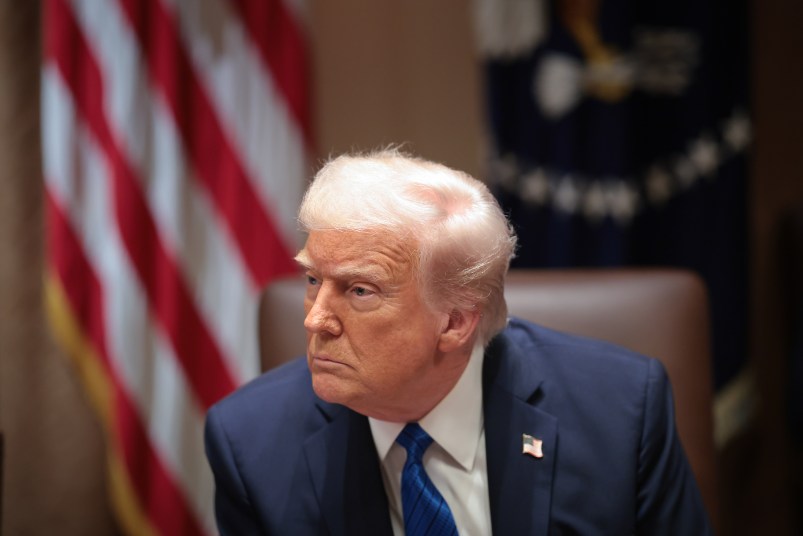
The Justice Department has requested emergency intervention from the Supreme Court after a federal appeals court in Washington blocked the deportation of individuals suspected to be members of the Tren de Aragua gang to El Salvador, a move initially pursued under the Trump administration using the wartime Alien Enemies Act. This legal conflict, which involves U.S. District Judge James Boasberg deliberating on potential contempt of court by the administration, highlights the ongoing tension between the executive branch and the judiciary over immigration policies and the use of wartime authority. The split decision by the appeals court, with Judges Karen Henderson and Patricia Millett in the majority and Judge Justin Walker dissenting, underscores differing judicial perspectives on national security and immigration enforcement, with Acting Solicitor General Sarah Harris noting the case's potential impact on the separation of powers.