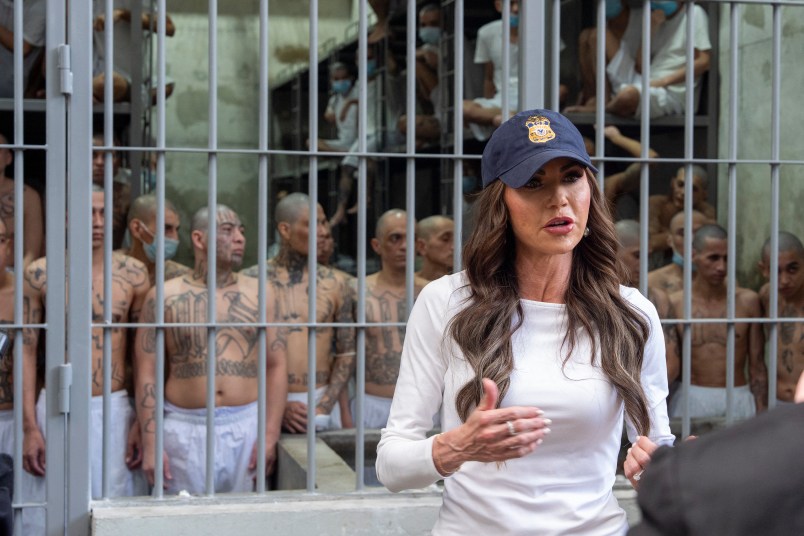
A doctoral student at the University of Alabama, identified as Alireza Doroudi, an Iranian national, has been arrested by federal immigration authorities, reflecting the Trump administration's focus on noncitizens in higher education. The university confirmed the detention but did not provide further details, emphasizing the value of international students to the campus community. This incident is part of a broader pattern of immigration enforcement affecting noncitizen students, amid discussions about the administration's legal stance on immigration, highlighted by a recent visit by DHS Secretary Kristi Noem to a prison in El Salvador.
Posts tagged as “El Salvador”
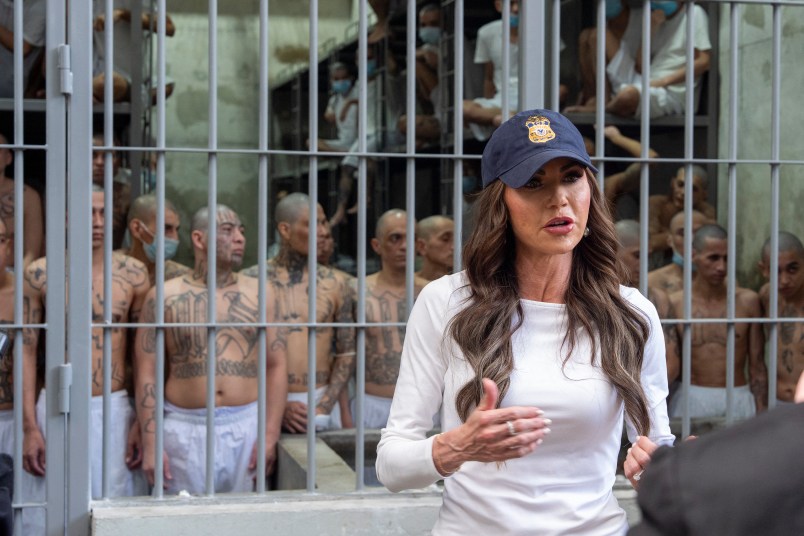
A recent report has uncovered a Signal group chat involving 18 Trump administration officials and Atlantic editor-in-chief Jeffrey Goldberg, discussing a planned attack against the Houthis in Yemen. The National Security Council has confirmed the chat's authenticity, and none of the participants have denied involvement, raising concerns about the implications for U.S. foreign policy and humanitarian norms. Additionally, Department of Homeland Security Secretary Kristi Noem's visit to a prison in El Salvador, detaining Venezuelan nationals, has sparked further controversy, potentially undermining previous legal arguments by the Trump administration.
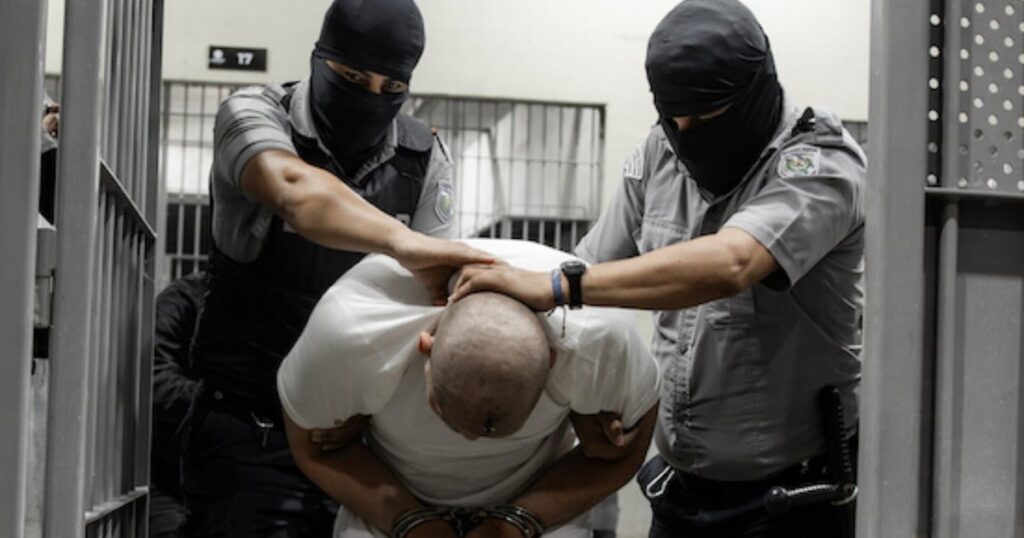
A woman was distressed to see her partner in a video from an El Salvador prison after his deportation, highlighting the controversy surrounding the Trump administration's handling of Venezuelan migrant deportations. The administration is under scrutiny for potentially defying a federal judge's order to halt deportations, raising questions about its efforts to circumvent legal intervention. This case underscores the tension between the executive branch and the judiciary over immigration policies, with conflicting information from ICE agents further complicating the legal and humanitarian aspects.
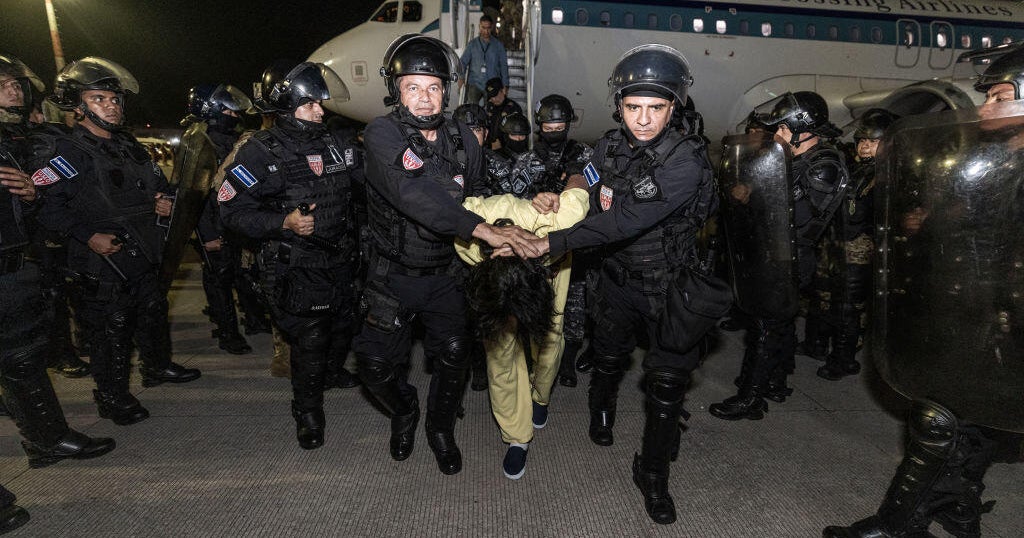
The Trump administration has invoked the state secrets privilege in response to a federal judge's inquiry about potential violations of a deportation order involving Venezuelan migrants, citing concerns over diplomatic and national security issues. This move, overseen by U.S. District Judge James Boasberg, has raised questions about compliance with a previous order to halt deportations without due process, as the administration refused to disclose specific details about the deportation flights. The invocation of this privilege highlights ongoing tensions between the executive branch and the federal judiciary, with significant implications for immigration enforcement and the balance of power between these branches.
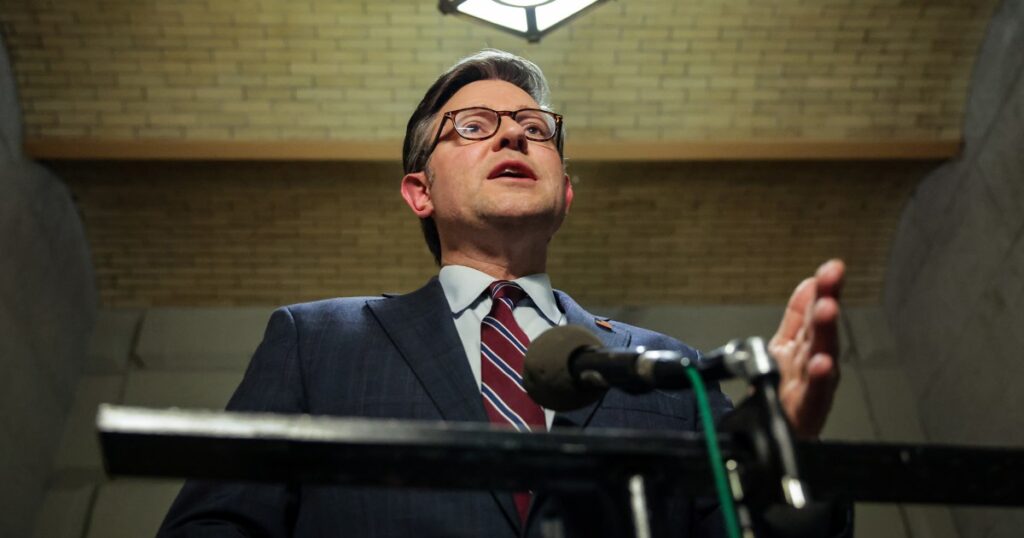
Representative Darrell Issa has introduced the "No Rogue Rulings Act" to prevent district court judges from issuing nationwide injunctions, which have previously hindered the implementation of former President Trump's policies. Concurrently, U.S. District Judge James Boasberg is involved in a legal case about the deportation of Venezuelan migrants, with the Trump administration invoking the state secrets privilege to withhold information, citing national security concerns. Issa's bill offers a political avenue for lawmakers to support Trump's policies by limiting judicial intervention, highlighting the ongoing debate over the balance of power between the judiciary and the executive branch.

A federal appellate judge expressed concerns about the treatment of Venezuelan migrants deported to El Salvador and detained without due process, drawing a historical comparison to the treatment of Nazi detainees during World War II. Judge Patricia Millett highlighted the differences in legal proceedings, noting that Nazis were given hearings under the Alien Enemies Act, whereas the Trump administration deported migrants without notice based on unverified gang affiliations. The government's defense of these actions has sparked legal and ethical debates, leading to a pause by a lower court judge as the courts examine the balance between national security and individual rights.
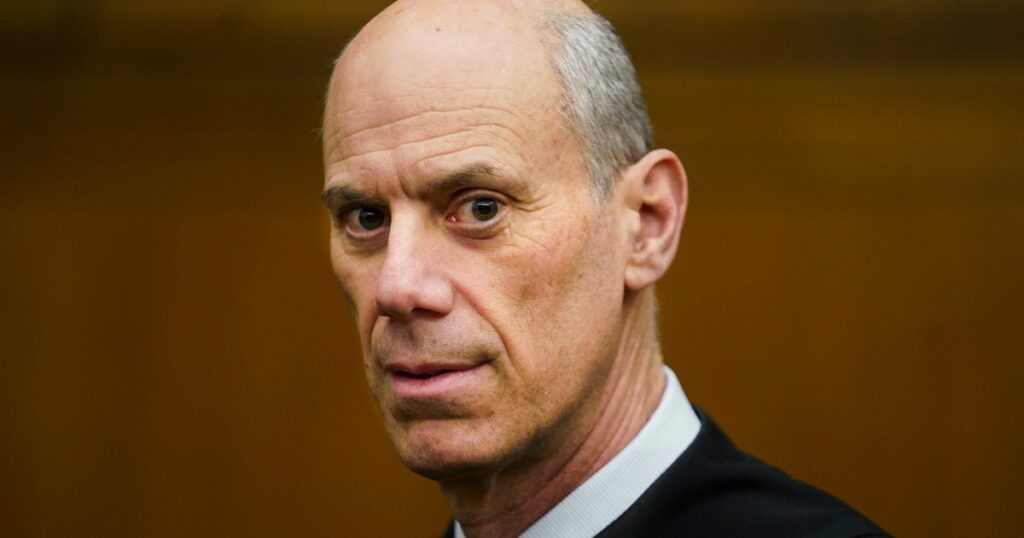
U.S. District Judge James Boasberg has denied a government request to vacate his previous rulings, which halted the deportation of Venezuelan nationals under the rarely used Alien Enemies Act, emphasizing the need for these individuals to contest allegations of gang involvement before deportation. Despite criticism from President Donald Trump, who disapproved of Boasberg's initial ruling, the judge has upheld the importance of due process. The case has gained attention due to the transfer of over one hundred Venezuelan nationals to a prison in El Salvador without legal recourse, raising human rights concerns amid the broader context of controversial immigration policies.
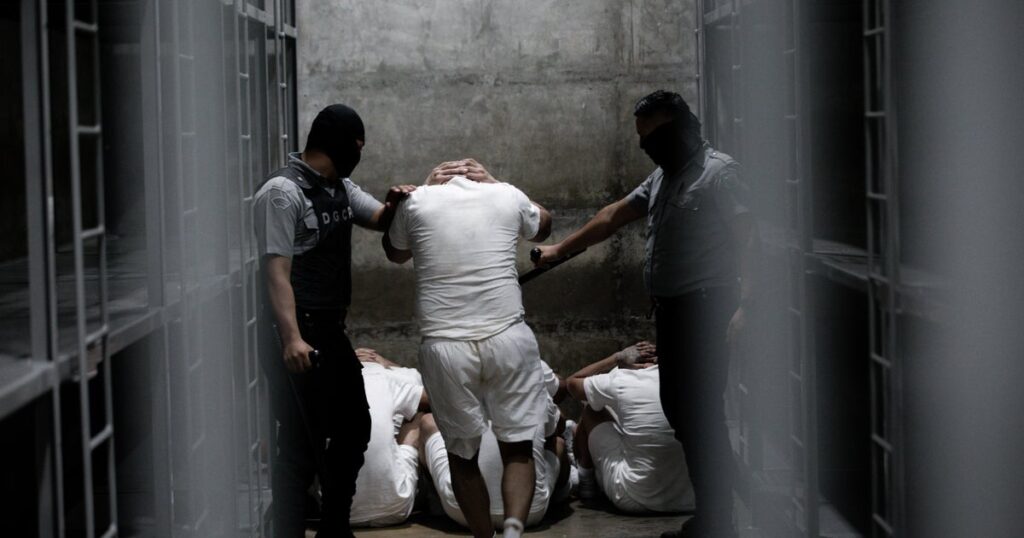
U.S. District Judge James Boasberg has blocked the administration from using the Alien Enemies Act to deport Venezuelan nationals to El Salvador, following a hearing where he criticized the Justice Department's actions and language as disrespectful. The judge highlighted the administration's failure to comply with a previous order to reverse deportation flights, raising concerns about legal protocol adherence and due process for affected individuals. This ruling has sparked discussions on balancing national security with individual rights, emphasizing the judiciary's role in overseeing executive actions related to immigration and national security.