Key takeaways:
- Judge Tony Graf held Deputy Utah County Attorney Christopher Ballard in contempt for public comments about the strength of the case against Tyler James Robinson.
- Graf denied the defense request to remove the death penalty, calling that sanction “grossly disproportionate” to the misconduct.
- Robinson, 23, is charged with aggravated murder in the Sept. 10 shooting of Charlie Kirk at Utah Valley University and has not yet entered a plea.
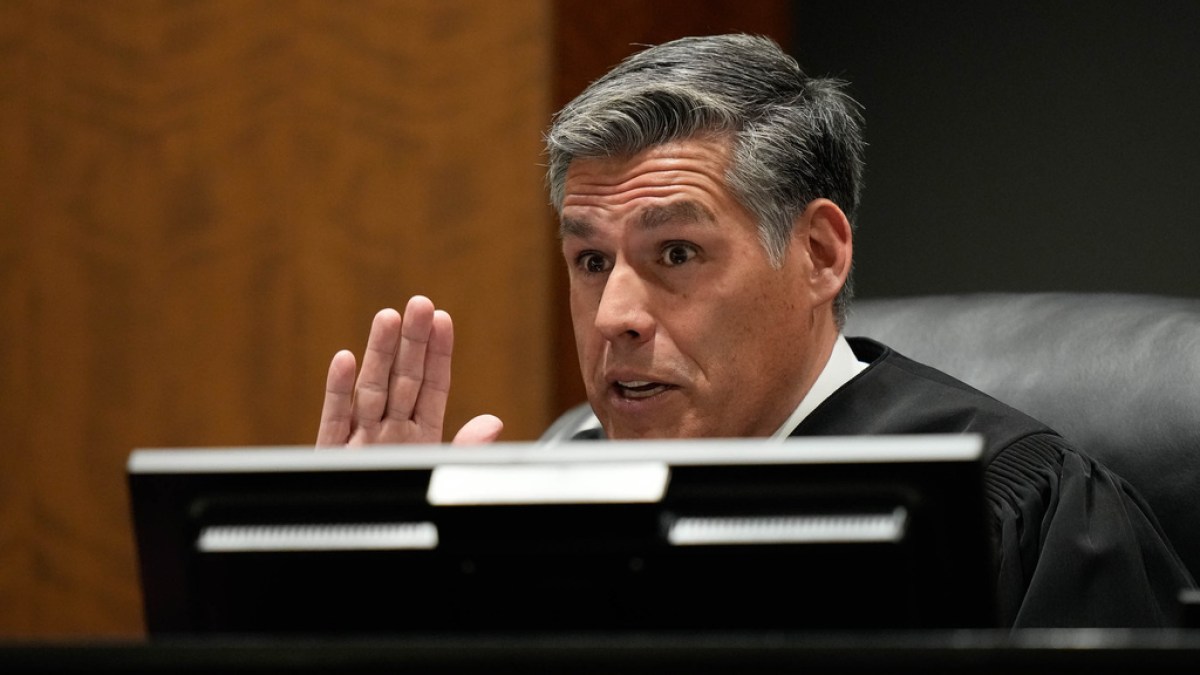
A Utah judge held a prosecutor in contempt Friday for comments to the media in the murder case against Tyler James Robinson, the 23-year-old accused of killing conservative activist Charlie Kirk, but refused to remove the death penalty as a possible punishment.
District Judge Tony Graf ruled that Deputy Utah County Attorney Christopher Ballard violated a pretrial gag order when he publicly discussed the strength of the prosecution’s case. Graf said Ballard’s remarks had a “substantial likelihood of materially prejudicing the proceedings by communicating the prosecutor’s assessment of the defendant’s guilt.”
Robinson, from southwestern Utah, is charged with aggravated murder in the Sept. 10 shooting of Kirk, an ally of President Donald Trump. Kirk was shot in the neck while addressing a crowd of thousands at Utah Valley University. Robinson has not yet entered a plea.
The dispute centered on Ballard’s responses to media reports and online claims about ballistics evidence. Robinson’s lawyers had argued in a March court filing that a report from the Bureau of Alcohol, Tobacco, Firearms and Explosives did not prove that the bullet that killed Kirk came from a firearm believed to belong to Robinson. The claims spread online and were treated by some commentators as potentially helpful to the defense.
Ballard later told news outlets he was trying to correct “misinformation” about the ballistics testing. He told TMZ that the state had “ample evidence” to show Robinson committed the alleged crime. In an email to PolitiFact, he wrote that “when the results of a bullet fragment analysis come back as ‘inconclusive’, that does not mean that the rifle did not fire the bullet.”
Defense attorneys accused Ballard of trying to influence potential jurors through a “media tour” about the evidence. They argued his conduct was “contemptuous” and interfered with Robinson’s right to a fair trial.
Graf said Ballard’s comments about the bullet analysis itself did not violate the court’s restrictions, but that the prosecutor went too far by saying prosecutors had “ample evidence to demonstrate beyond a reasonable doubt that Tyler Robinson committed this murder.” The judge said the ruling was not about Robinson’s guilt or the charges against him.
“Its sole purpose is enforcement of a narrowly tailored publicity order governing attorney conduct,” Graf said, adding that the comments were not made out of a malicious desire to taint the jury pool.
The judge rejected the defense request to bar capital punishment as a sanction, saying that step would risk “an improper judicial intrusion into the executive branch’s prosecutorial discretion” and would be “grossly disproportionate” to Ballard’s misconduct. Legal experts had described removal of the death penalty as an extreme remedy, Al Jazeera reported.
Graf said any possible effect on potential jurors could be addressed through jury selection, including expanding the pool of potential jurors and using additional questionnaires designed to identify bias.
Authorities have said DNA consistent with Robinson’s was found on the trigger of the rifle, the fired cartridge casing, two unfired cartridges and a towel used to wrap the rifle.
A preliminary hearing is scheduled for July 6. Graf also said he would issue a decision next week on whether electronic media will be allowed in the courtroom. Robinson’s attorneys have sought to limit media access to the proceedings.










Be First to Comment