
The Trump administration is under scrutiny for its handling of Kilmar Abrego Garcia's deportation case, as U.S. District Judge Paula Xinis demands information about Garcia's status following a Supreme Court directive for his release from Salvadoran custody. Despite the court's order, the Justice Department has been unable to provide details, citing impracticality and a lack of knowledge about Garcia's whereabouts. This case highlights the challenges in immigration enforcement and the balance between governmental authority and judicial oversight, with potential implications for future similar cases.
Posts tagged as “El Salvador”

The U.S. Supreme Court has ordered the Trump administration to facilitate the return of Kilmar Abrego Garcia, who was mistakenly deported to El Salvador, emphasizing the need for immediate action to rectify the situation. U.S. District Judge Paula Xinis has mandated a status update from the administration, requiring details on Garcia's location, custodial status, and the steps taken to ensure his return. This case highlights the complexities of immigration enforcement, underscoring the importance of legal protocols and careful oversight to prevent wrongful deportations.

The Supreme Court has ruled that the Trump administration must facilitate the release of Kilmer Abrego Garcia, who was mistakenly deported to a labor camp in El Salvador, although it did not specify the exact measures required for his release. The decision partially grants an emergency request from the Justice Department but leaves ambiguity regarding the government's obligations, as a lower court must clarify the term "facilitate." This ruling underscores the importance of proper legal procedures in deportation cases and highlights the judicial system's role in protecting individuals' rights internationally.

The Supreme Court issued a decision regarding Kilmar Abrego Garcia, a Maryland resident mistakenly deported to El Salvador, mandating the Trump administration to facilitate his release from custody there. The court's ruling requires additional proceedings in a federal district court to ensure Garcia's case is handled as if he had not been deported, partly granting and partly rejecting the Justice Department's emergency request. While the decision does not mandate Garcia's immediate return to the U.S., it emphasizes the administration's duty to provide information on their efforts to address the situation, highlighting the complexities of immigration and deportation cases.

Federal judges in New York and Texas have temporarily blocked the deportation of Venezuelan nationals under the Trump administration's use of the Alien Enemies Act, challenging efforts to expedite their removal. In New York, Judge Alvin Hellerstein granted relief to two Venezuelan men, emphasizing judicial scrutiny over the administration's immigration policies. Meanwhile, the White House faces controversy over potential plans to transfer U.S. citizens convicted of crimes to El Salvador, highlighting broader debates on criminal justice and international cooperation.
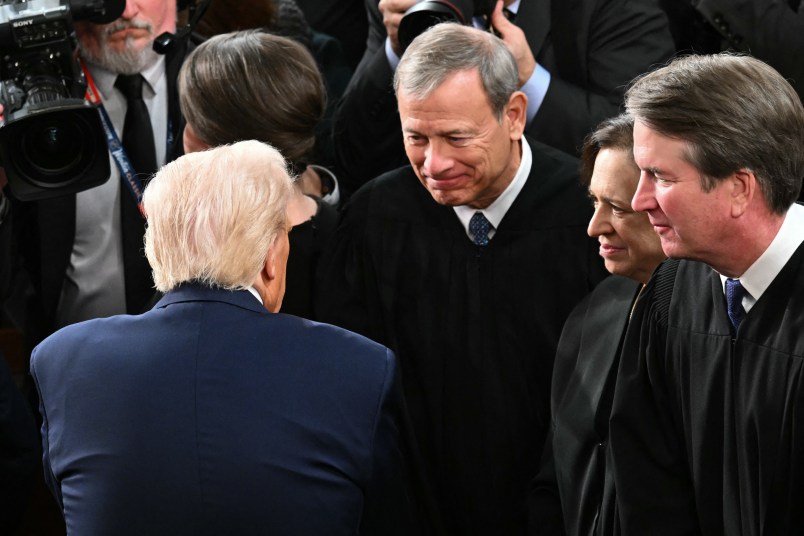
Chief Justice John Roberts issued an administrative stay to halt the deportation of Kilmar Abrego Garcia, a legal resident mistakenly deported to El Salvador despite a court order prohibiting his removal. The case has exposed flaws in the immigration enforcement system, as Abrego Garcia was wrongfully linked to the MS-13 gang based on insufficient evidence, leading to his deportation. The Supreme Court's intervention highlights ongoing tensions between the executive branch and the judiciary, with significant implications for immigration policy and the rights of legal residents.
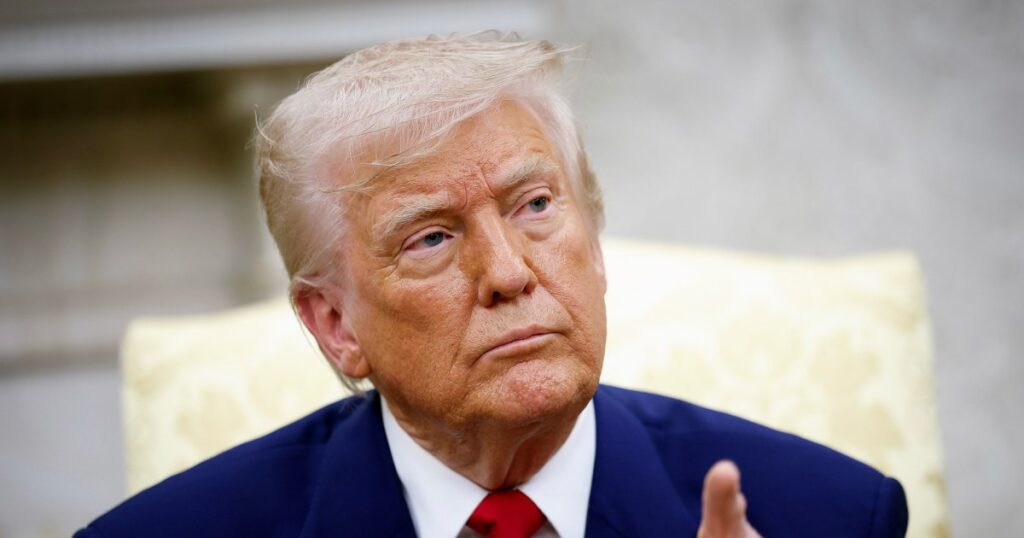
President Donald Trump's firm stance on tariffs has led to global uncertainty and market declines, further exacerbated by false headlines about potential tariff pauses. A narrow Supreme Court ruling allowed the Trump administration to proceed with deportations under the Alien Enemies Act, focusing on procedural issues and impacting immigration policies. Amid these developments, Trump threatened to increase tariffs on China, escalating trade tensions and highlighting ongoing challenges in U.S.-China relations.

The Supreme Court ruled 5-4 in favor of the Trump administration's use of the Alien Enemies Act of 1798 to expedite the deportation of individuals alleged to be members of the Tren de Aragua gang, provided they are afforded due process. This decision overturns a previous federal judge's order that had halted these deportations due to concerns about the lack of legal proceedings. The Supreme Court emphasized the importance of jurisdiction, noting that the detainees are held in Texas, and redirected the legal proceedings to a more appropriate venue, highlighting the ongoing debate over immigration policy and the application of historical statutes.