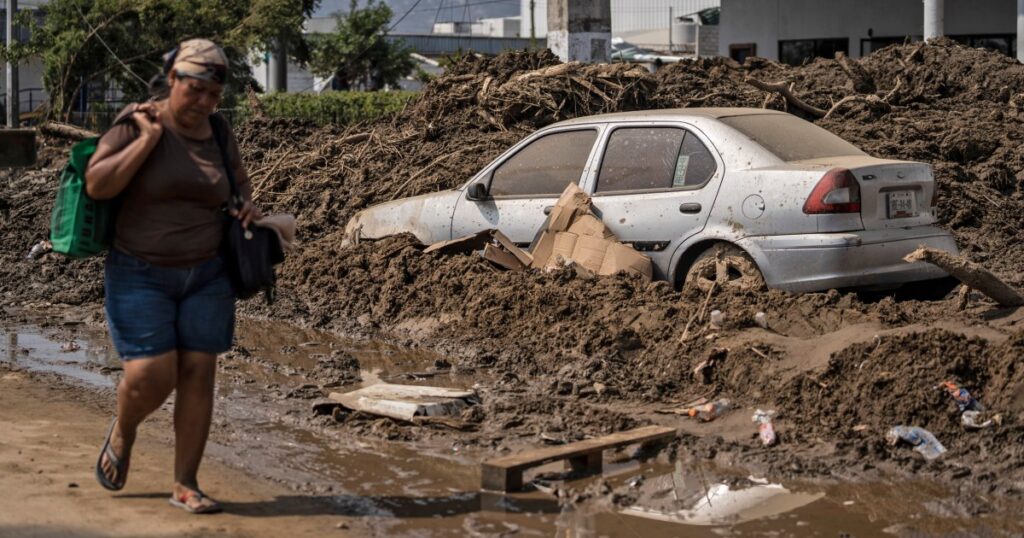
At least 48 people have been confirmed dead after Hurricane Otis, a Category 5 storm, slammed into Mexico's southern Pacific coast. The majority of fatalities occurred in the resort city of Acapulco, where 43 people were killed, and looting broke out due to food, water and gasoline shortages. The Mexican government has declared a state of emergency and is providing food, water, medical aid, and assistance to restore power and communications in the affected areas.
Posts tagged as “Category 5”
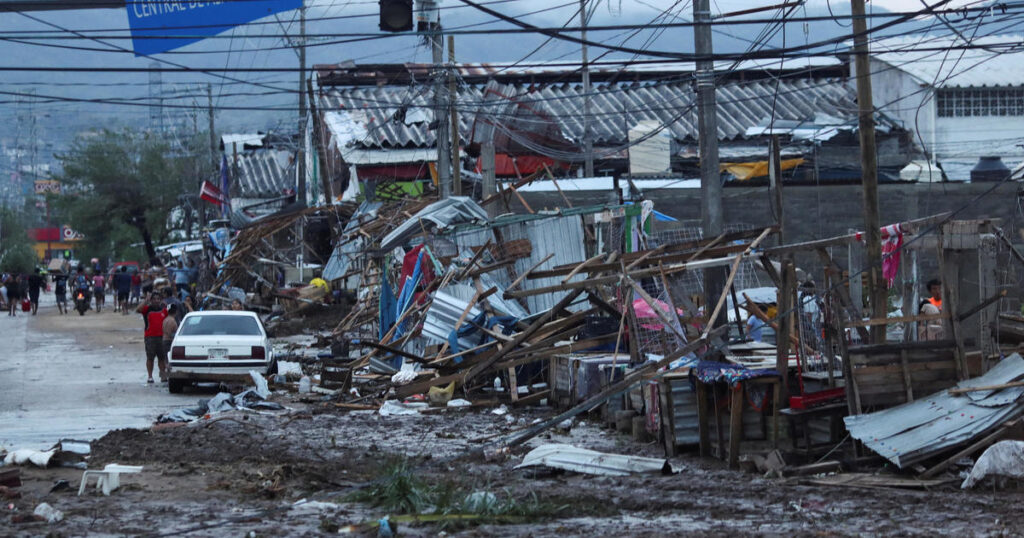
Hurricane Otis has caused extensive damage to the resort city of Acapulco, Mexico, leaving residents without electricity or internet service, hundreds of shattered windows, toppled trees and power lines, and brown floodwaters for miles. Reports of looting have been confirmed, and the Mexican government has declared a state of emergency and is providing aid to those affected.
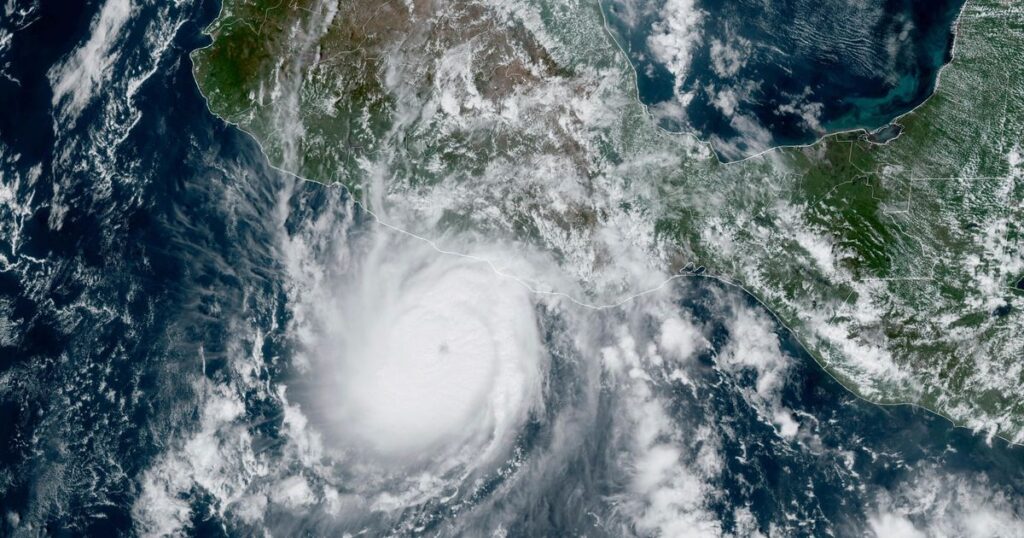
Residents of Mexico's southern Pacific coast were caught off guard as Hurricane Otis made landfall as a catastrophic Category 5 hurricane with 165 mph winds and heavy rain. The storm rapidly intensified by 115 mph in just 24 hours, a feat only matched by one other storm in recorded history. Residents scrambled to prepare for the five to 10 inches of rain forecast, with as much as 15 inches possible in some areas, raising the threat of landslides and floods. The National Hurricane Center is continuing to monitor the situation and provide updates.
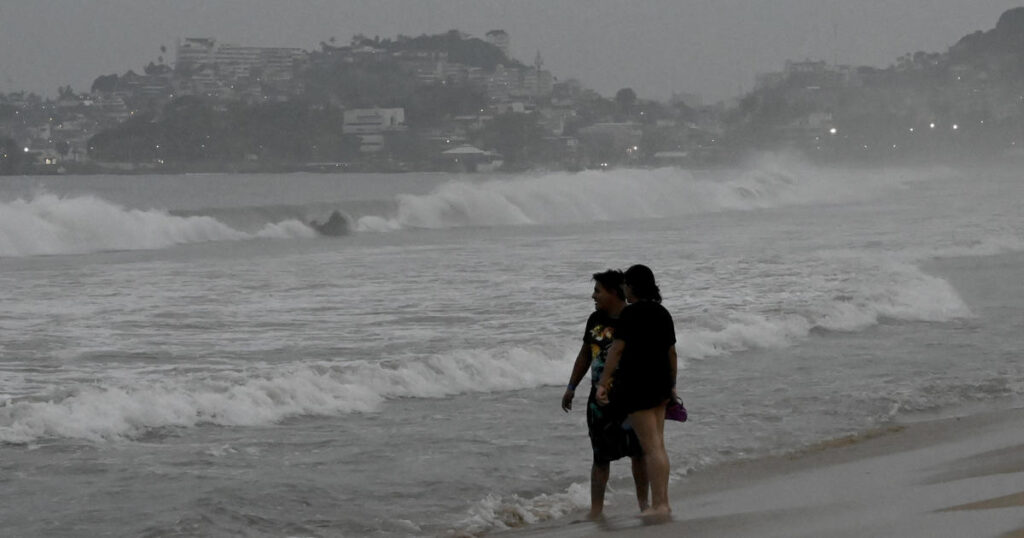
Hurricane Otis has rapidly intensified from a tropical storm to a Category 5 hurricane, with maximum sustained winds of 160 mph and hurricane-force winds extending up to 30 miles from its center. It is expected to make landfall near the resort of Acapulco early Wednesday, causing catastrophic damage. The Mexican government has issued warnings and set up emergency shelters, urging residents to take all necessary precautions and follow the instructions of local authorities.
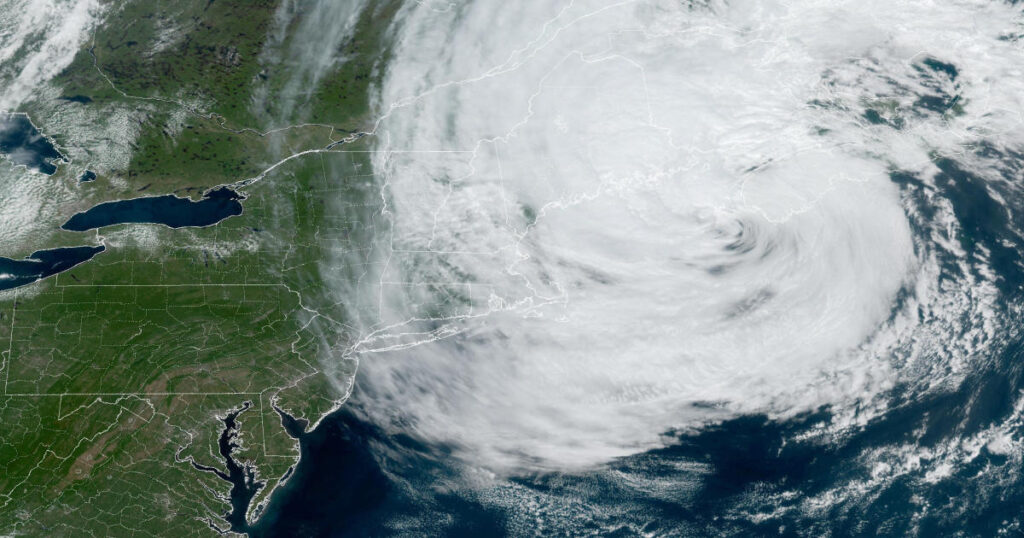
Post-tropical cyclone Lee is expected to make landfall in Nova Scotia, Canada Saturday afternoon, bringing tropical storm conditions and coastal flooding to Maine's coast. The storm was a Category 1 hurricane on Friday and at one point had Category 5 strength. Residents in the affected areas are advised to take necessary precautions and follow the instructions of local officials as the National Hurricane Center continues to monitor the storm.
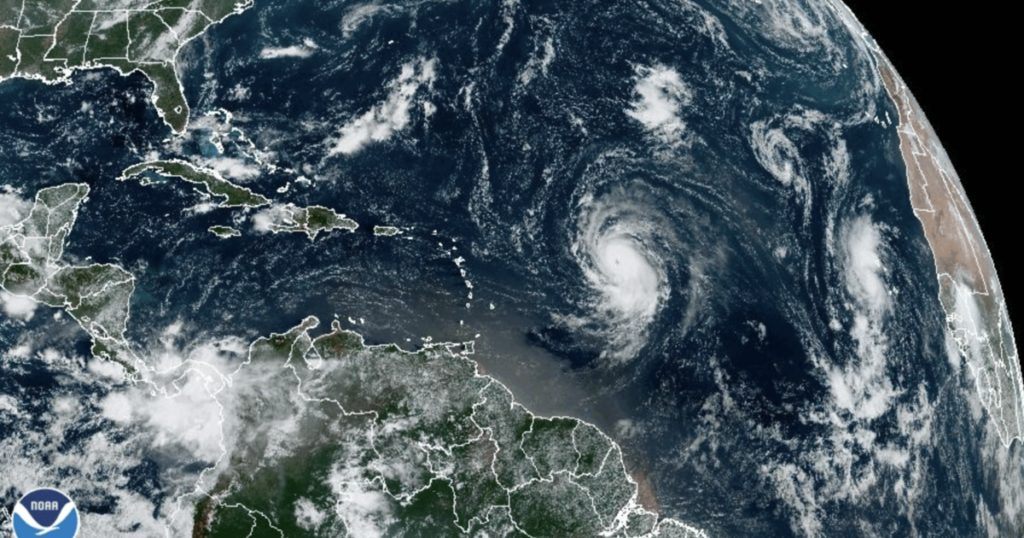
Hurricane Lee has explosively intensified into a Category 5 storm in the central tropical Atlantic Ocean, packing winds of up to 160 miles per hour and expected to remain a major hurricane through early next week. Tropical storm conditions are possible on some islands, although the hurricane is not expected to make landfall. Residents in the Caribbean are advised to monitor the storm and take necessary precautions.
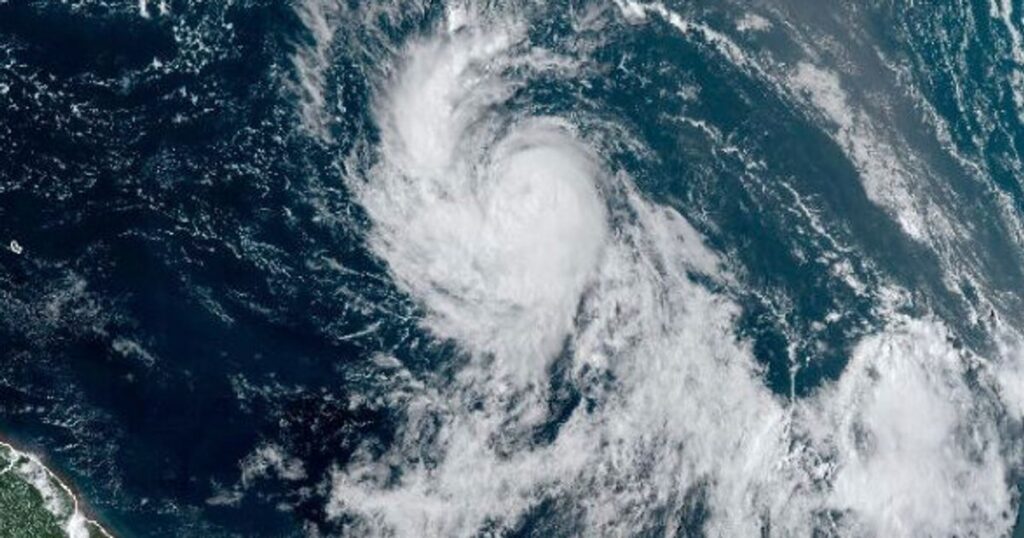
The National Hurricane Center (NHC) has issued a warning that Tropical Storm Lee is expected to rapidly intensify and become an “extremely dangerous major hurricane” by early Friday. Forecasters predict that Lee will intensify into a Category 4 hurricane with winds potentially as high as 155 mph, and the NHC is advising residents of the Leeward Islands to monitor the storm and take necessary precautions to protect themselves and their property. Residents are urged to stay informed and follow the instructions of local officials.
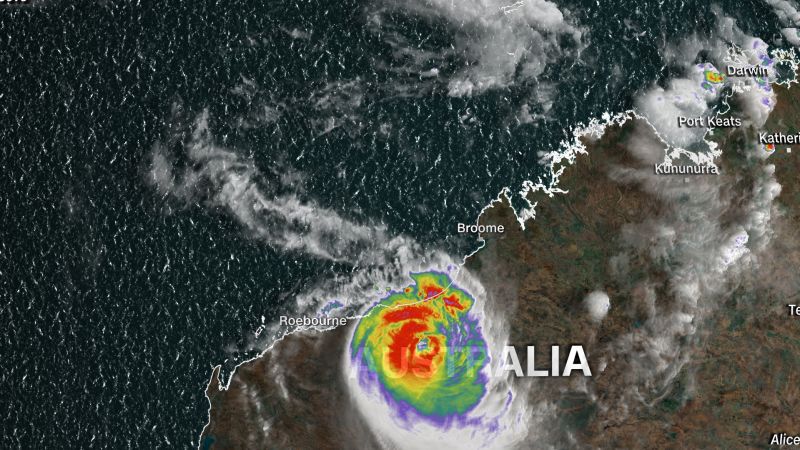
Cyclone Ilsa, the most powerful tropical cyclone to hit Australia in eight years, has caused significant damage in the northwest of the country. Wind speeds reached an apparent record of 289 kilometers (180 miles) per hour, weakening to a Category 2 storm as it moved inland. Fortunately, there have been no immediate reports of injuries, but the cyclone has caused significant damage to infrastructure and property in the region. The Australian government has deployed emergency services to the affected areas to help with the clean-up and recovery efforts.