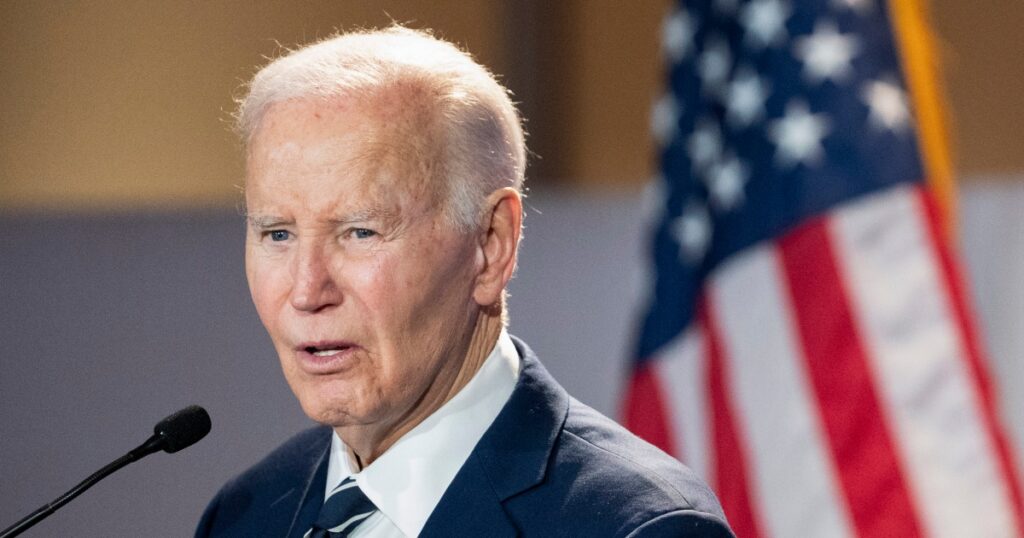
Joe Biden files a lawsuit to block the Justice Department from releasing audio recordings and transcripts of interviews with his memoir ghostwriter. The department plans to release the materials on June 15 unless a court intervenes.
Posts tagged as “Ashley Biden”
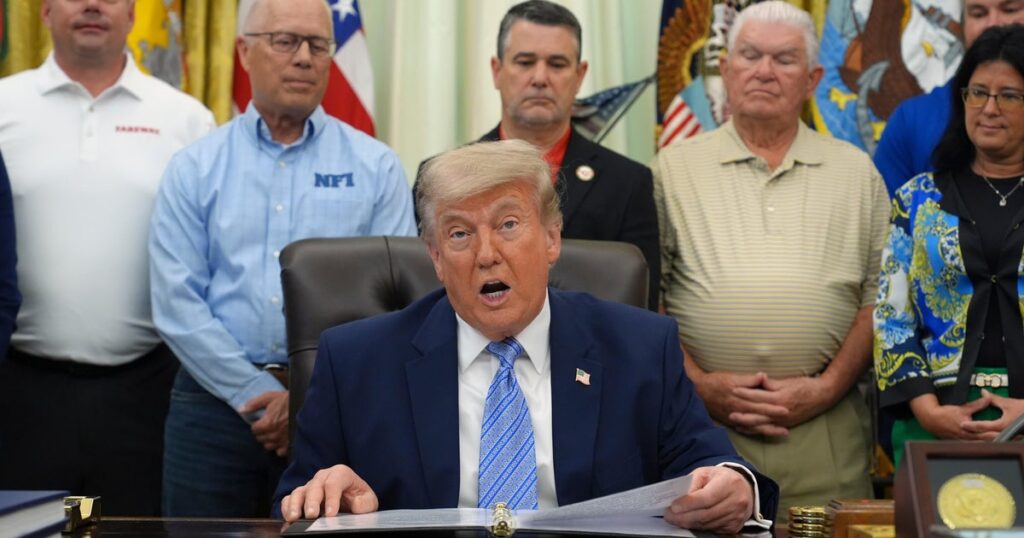
President Trump delays signing a key AI executive order, citing concerns it could hinder U.S. competitiveness. The order aimed to enhance cybersecurity and establish voluntary AI testing with tech companies.
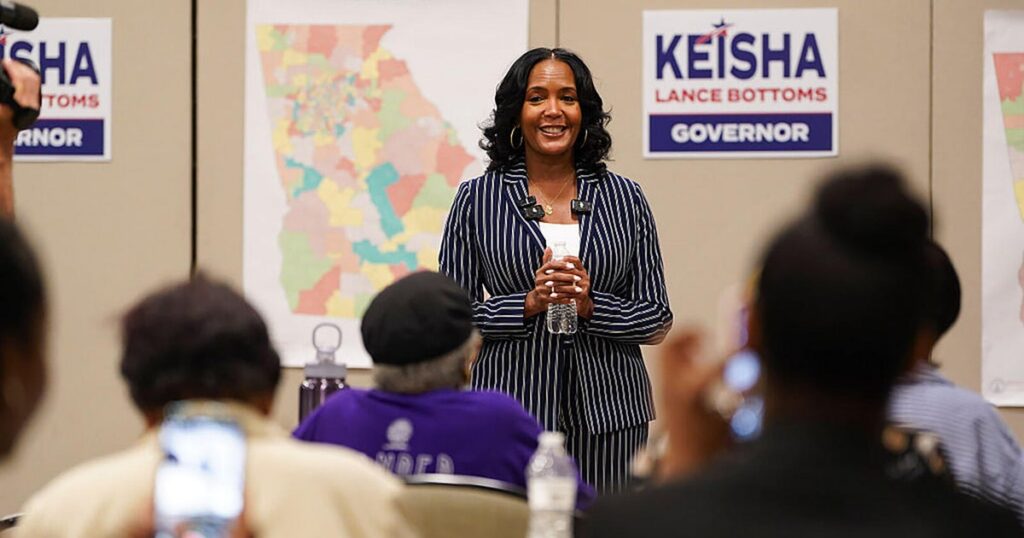
Keisha Lance Bottoms wins Georgia Democratic governor primary with over 50% of the vote, avoiding a runoff and securing her spot in the November general election. She will face either Lt. Gov. Burt Jones or healthcare executive Rick Jackson in the Republican runoff.
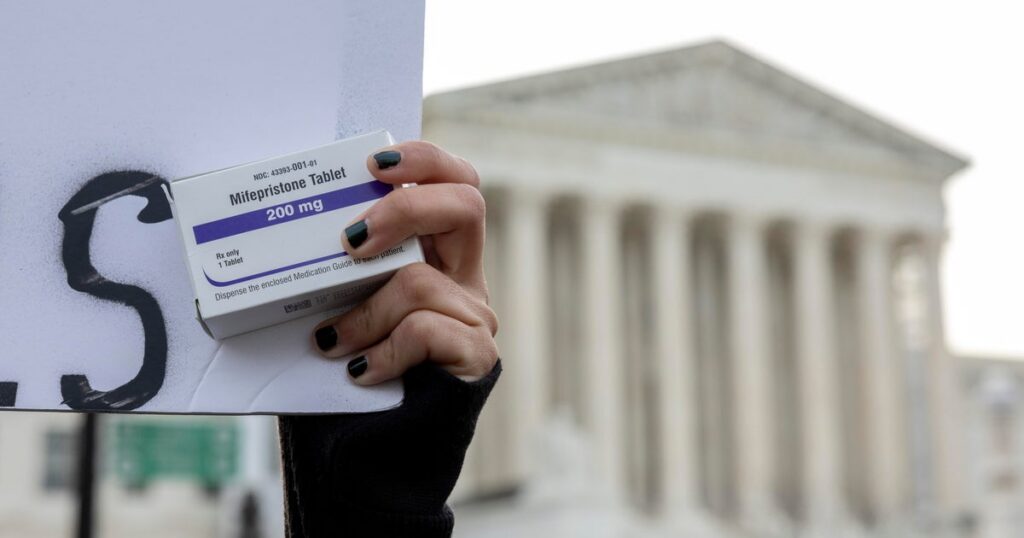
The Supreme Court extends a temporary order maintaining mail access to the abortion pill mifepristone while reviewing a case that could limit its availability nationwide.
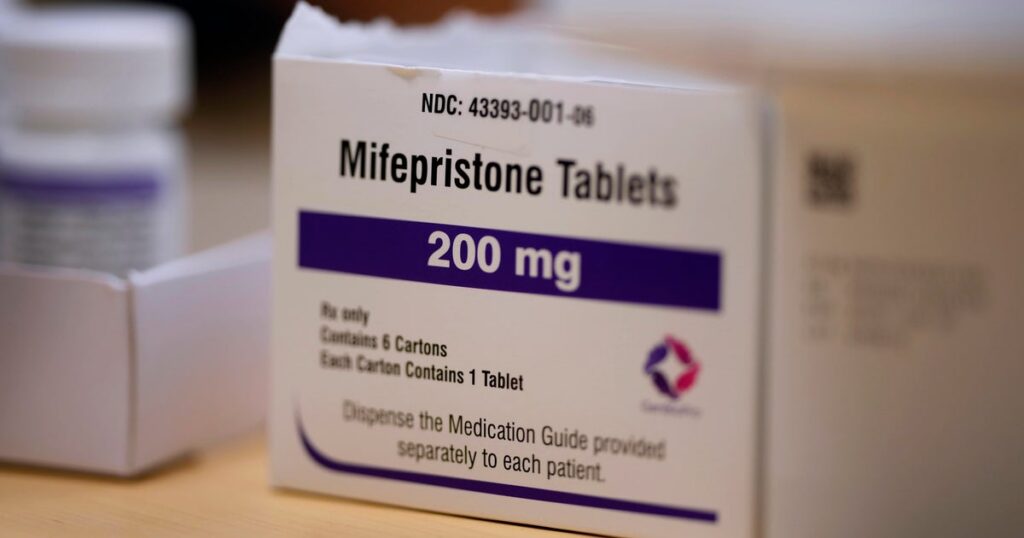
A federal appeals court has blocked the mailing of the abortion pill mifepristone nationwide, requiring in-person dispensing and limiting access through telehealth. The ruling supports Louisiana's abortion restrictions and challenges FDA regulations established during the COVID-19 pandemic.

A federal judge in Massachusetts has ordered the Trump administration to reinstate the temporary parole status of hundreds of thousands of migrants who entered the U.S. lawfully through the Biden-era CBP One app, ruling that the administration’s termination of their status violated federal procedures and exceeded DHS authority. The Trump administration had revoked parole en masse in 2025 without personalized notice, citing border security concerns, but the judge found this action unlawful and sided with immigration advocacy groups representing affected migrants. While the Department of Homeland Security opposes the ruling and plans to appeal, the decision restores legal protections for many migrants, though the full impact remains uncertain.
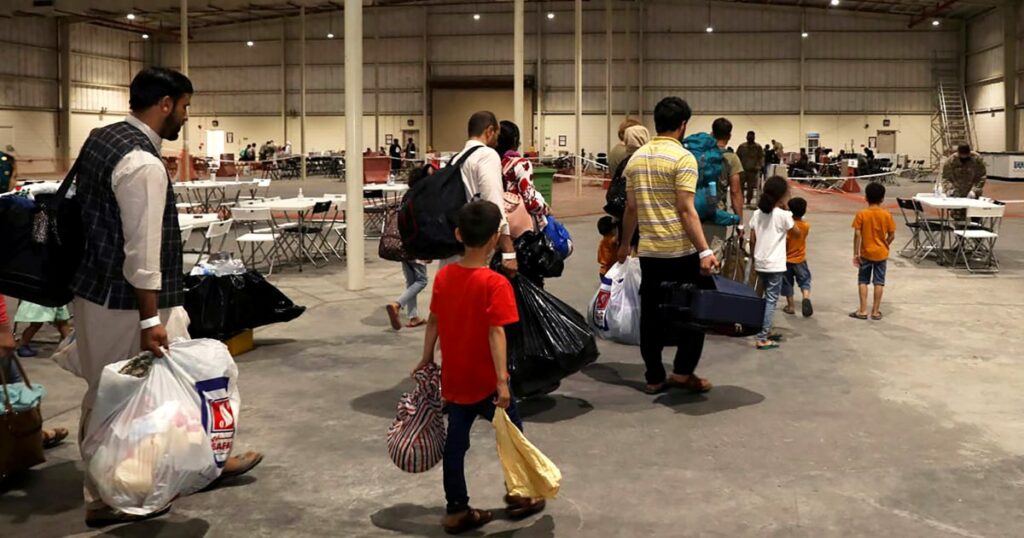
More than 1,100 Afghan refugees who supported the U.S. remain stranded at Camp As Sayliyah in Qatar, facing a March 31 deadline to relocate to an unspecified third country or return to Taliban-controlled Afghanistan, despite risks of persecution. Advocacy groups criticize the Trump administration’s handling of the situation, calling the camp a “prison camp” and expressing concerns about the refugees’ uncertain futures, while the State Department defends the closure as necessary and humane. Meanwhile, escalating tensions in the Middle East, particularly involving Iran’s unyielding stance and militia activities, complicate regional security and diplomatic efforts, highlighting the broader challenges affecting both refugees and U.S. foreign policy.

Rising gas prices in the U.S., driven by disruptions in oil shipments through the Strait of Hormuz amid the Iran conflict, have prompted discussions about releasing oil from the Strategic Petroleum Reserve (SPR) to stabilize the market. Although the SPR holds significant reserves, experts warn its impact may be limited due to the time required to release oil and the scale of supply disruptions, while G7 finance ministers have yet to agree on coordinated action. Meanwhile, oil prices remain volatile amid mixed signals about U.S. naval escorts in the region, and officials are exploring various policy options, though a lasting solution depends on reopening the Strait of Hormuz.