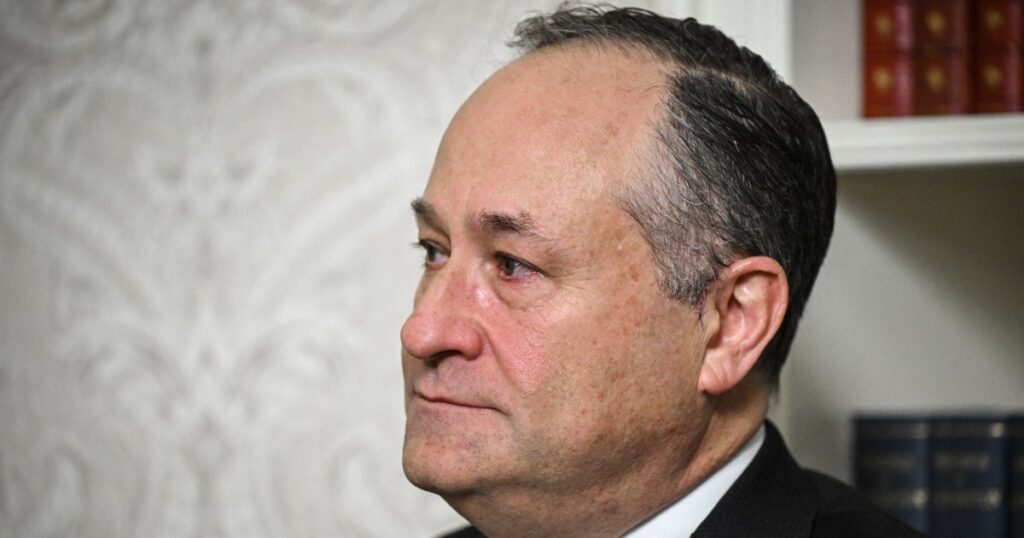
President Donald Trump has dismissed several members of the U.S. Holocaust Memorial Museum's board, including Doug Emhoff and Ron Klain, who were appointed by former President Joe Biden. These dismissals have sparked discussions about the potential politicization of the museum's mission and its governance. The decision has raised concerns about the impact of political appointments on cultural and historical institutions and their role in preserving and educating the public about significant historical events like the Holocaust.
Posts tagged as “Ashley Biden”
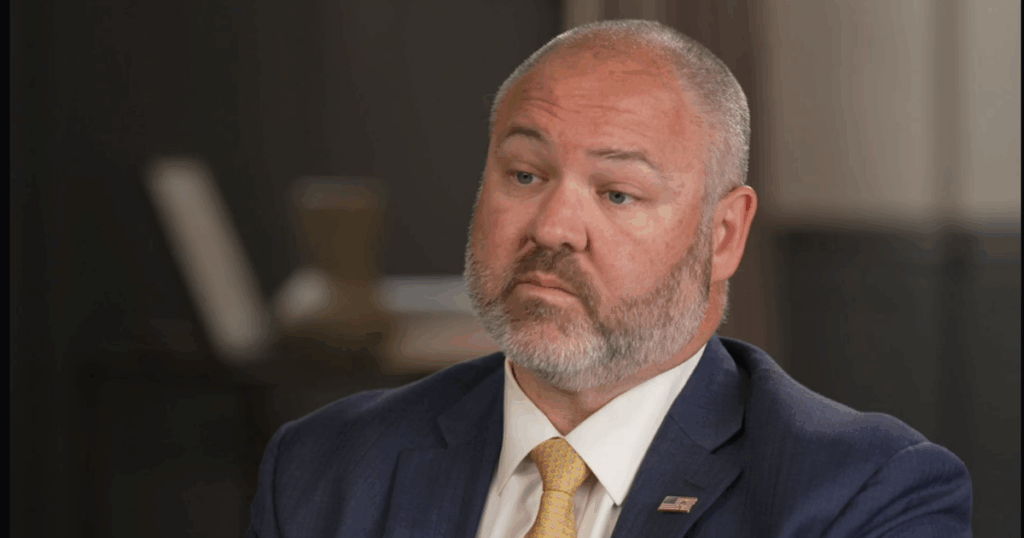
Gary Shapley was replaced as acting commissioner of the IRS just 48 hours after his appointment, following concerns from Treasury Secretary Scott Bessent that Shapley was appointed without President Trump's knowledge and possibly influenced by Elon Musk. Shapley, who succeeded Melanie Krause after her resignation, is expected to continue advising Secretary Bessent despite his brief tenure. The IRS leadership remains uncertain as President Trump's nominee, Billy Long, awaits Senate confirmation amid whistleblower allegations related to President Biden.
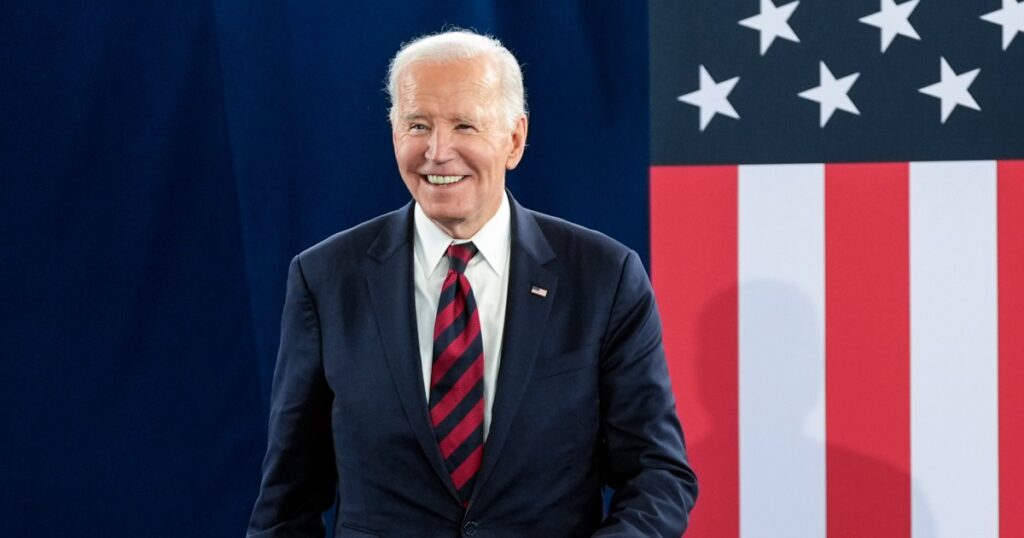
Former President Joe Biden delivered his first public remarks since leaving office, addressing disability advocates and emphasizing the importance of preserving Social Security while criticizing the current administration's approach. He expressed concern over the nation's direction under President Donald Trump, urging unity and suggesting that recent actions have caused significant damage. Although Biden mocked some claims by the Trump administration, he avoided direct attacks and did not discuss his future political plans, but he is expected to speak further at an upcoming convention in Chicago.
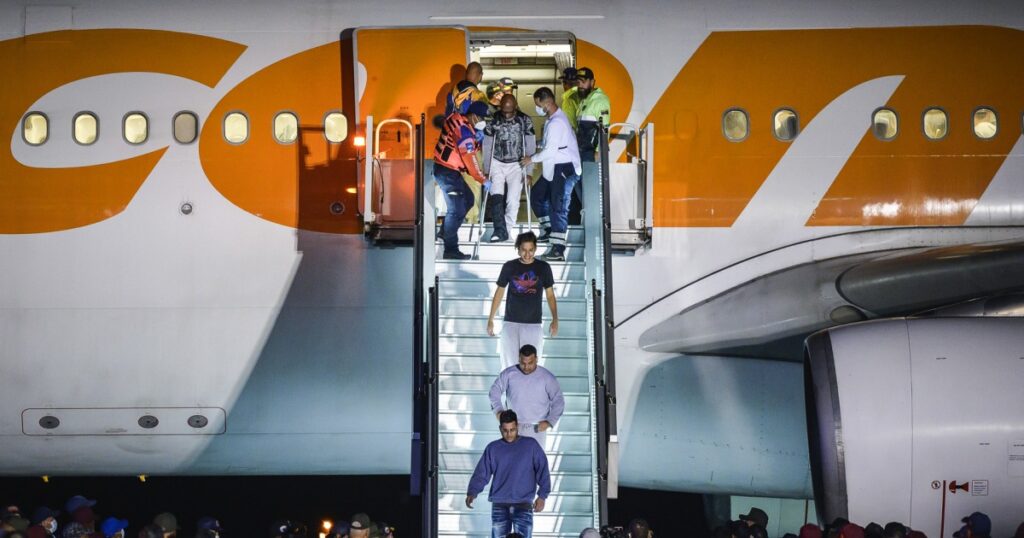
The Trump administration is intensifying efforts to encourage immigrants to voluntarily leave the United States, aligning with its broader strategy of mass deportations, but is facing complications due to a federal judge's ruling. The judge has temporarily blocked the administration from revoking deportation protections and work permits for migrants from Cuba, Haiti, Nicaragua, and Venezuela who entered legally under a Biden-era program. This legal barrier, along with stagnating deportation numbers, challenges the administration's immigration enforcement goals and necessitates a reassessment of its approach.
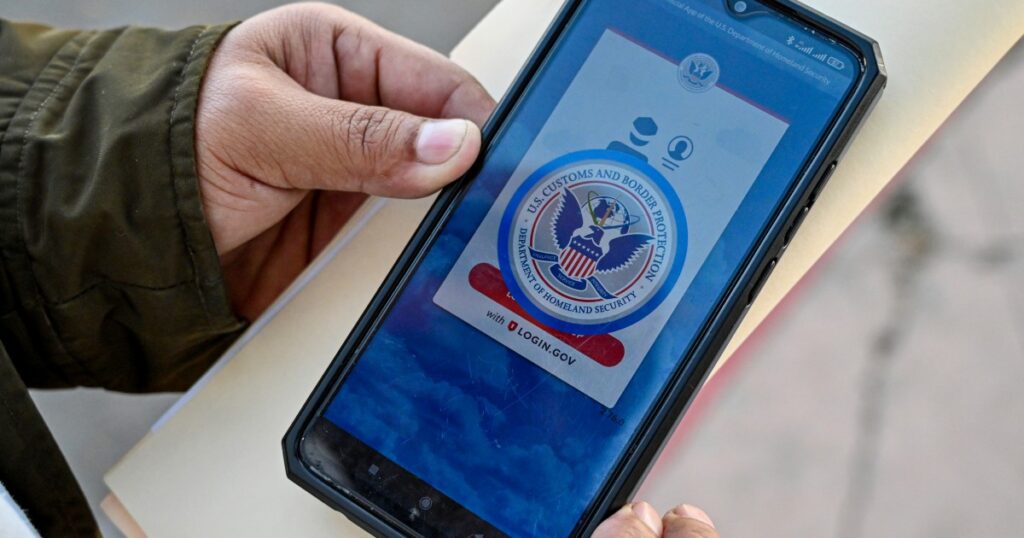
The Trump administration has begun revoking the legal status of migrants who entered the U.S. under a Biden-era policy that used the CBP One app to facilitate their temporary stay. This policy allowed over 900,000 migrants to enter the country with a two-year immigration parole, enabling them to work legally while awaiting asylum hearings. The decision to cancel these paroles reflects a significant shift in immigration policy, emphasizing border security and sparking discussions on its broader implications for affected individuals.

The United States Supreme Court has upheld a Biden administration regulation that classifies "ghost gun" kits as firearms under federal law, allowing the Bureau of Alcohol, Tobacco, Firearms and Explosives (ATF) to regulate them. In a 7-2 decision, the court found that the ATF's regulation aligns with the federal Gun Control Act, rejecting challengers' arguments and affirming the agency's authority over certain weapon parts kits. This ruling is seen as a victory for gun control advocates, as it enhances oversight and accountability in the sale and distribution of gun parts by including ghost gun kits under the same regulatory framework as other firearms.
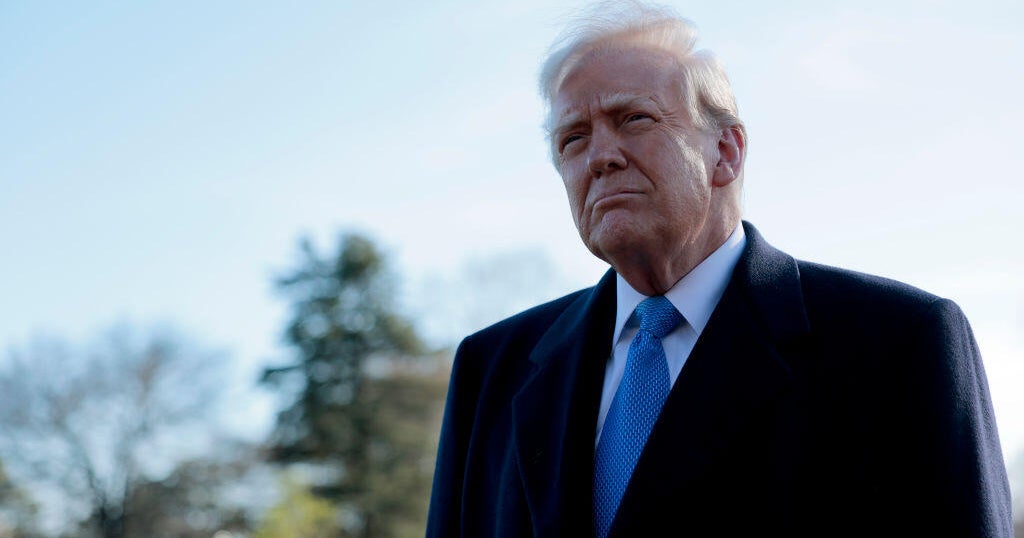
The Trump administration has announced plans to terminate temporary legal status for over 530,000 individuals from Cuba, Haiti, Nicaragua, and Venezuela, who arrived in the U.S. through parole programs established during the Biden administration. This decision, outlined in a Federal Register document, will take effect in late April, requiring those affected to leave the country or face deportation. The move reflects the Trump administration's broader immigration policy objectives and has sparked discussions about its implications for the affected communities and the overall immigration landscape.
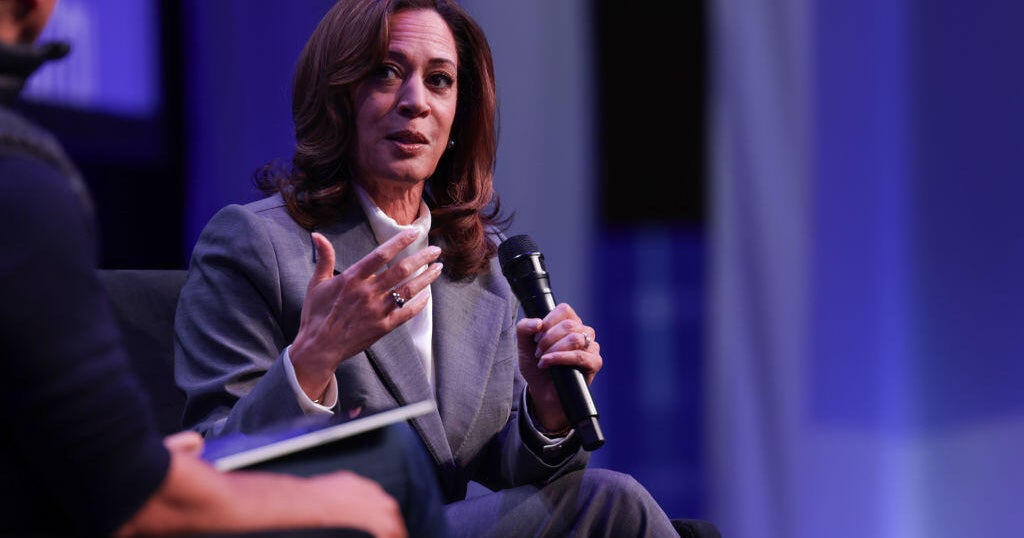
In a recent directive, President Donald Trump has revoked the security clearances of several prominent political figures, including former Secretary of State Hillary Clinton and former Vice President Kamala Harris, citing national interest concerns. This decision extends to former officials like Antony Blinken and Adam Kinzinger, as well as New York Attorney General Letitia James and Manhattan Attorney General Alvin Bragg. The move follows a prior announcement revoking former President Joe Biden's clearance and signifies a broader reassessment of access to classified information, though the criteria for these decisions remain unspecified.