
The U.S. Department of Justice, under the Trump administration, filed a federal lawsuit against Harvard University alleging that the institution failed to protect Jewish and Israeli students from harassment following the October 7, 2023, Hamas terror attack, violating federal civil rights law. The lawsuit accuses Harvard of deliberate indifference to a hostile environment and seeks to recover billions in federal funding, amid ongoing disputes including previous funding freezes and legal battles over alleged antisemitism and ideological bias. Despite stalled negotiations and increased settlement demands by President Trump, Harvard has yet to publicly respond to the latest legal action.
Posts tagged as “Arab Israeli”
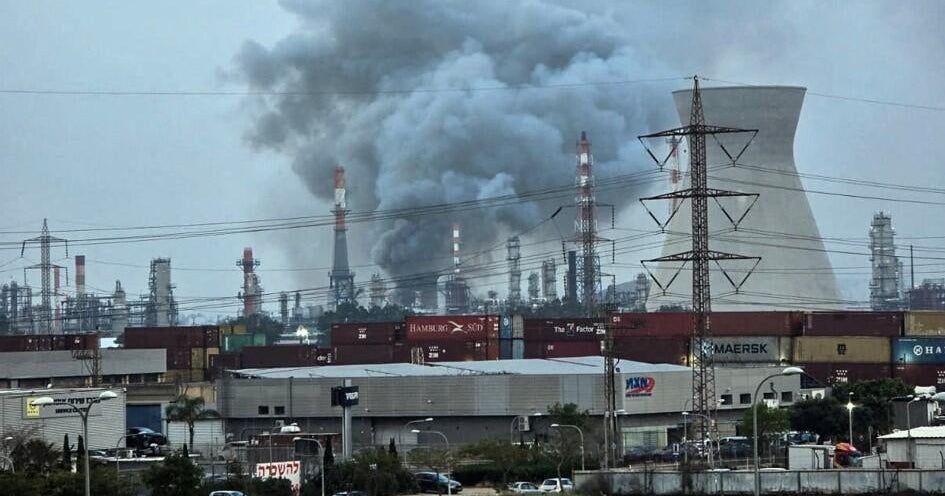
The conflict involving the United States, Israel, and Iran has intensified tensions across the Persian Gulf, with Iran launching retaliatory strikes on energy and civilian infrastructure in neighboring countries, prompting a high-level Gulf states meeting in Riyadh to address the escalating crisis. These attacks have severely impacted regional security and global energy markets, causing significant damage to oil and gas facilities and driving up oil prices, while military confrontations have included missile strikes, air raids, and the emergency landing of a U.S. F-35 jet. Despite widespread alerts and civilian sheltering, Gulf states remain divided on their response, with calls for de-escalation and ceasefire from some, amid fears of broader regional destabilization.

The U.S. Department of Justice seized four internet domains linked to Iranian government-backed hacking groups involved in cyberattacks, data theft, and intimidation of dissidents, including threats against individuals in the U.S. These groups, such as Handala and Homeland Justice, have targeted entities like a U.S. medical technology company and foreign governments, using custom malware and psychological warfare tactics. The seizures come amid heightened regional tensions following recent U.S. and Israeli military actions against Iran, with U.S. officials vowing to continue countering Iranian cyber threats to national security.
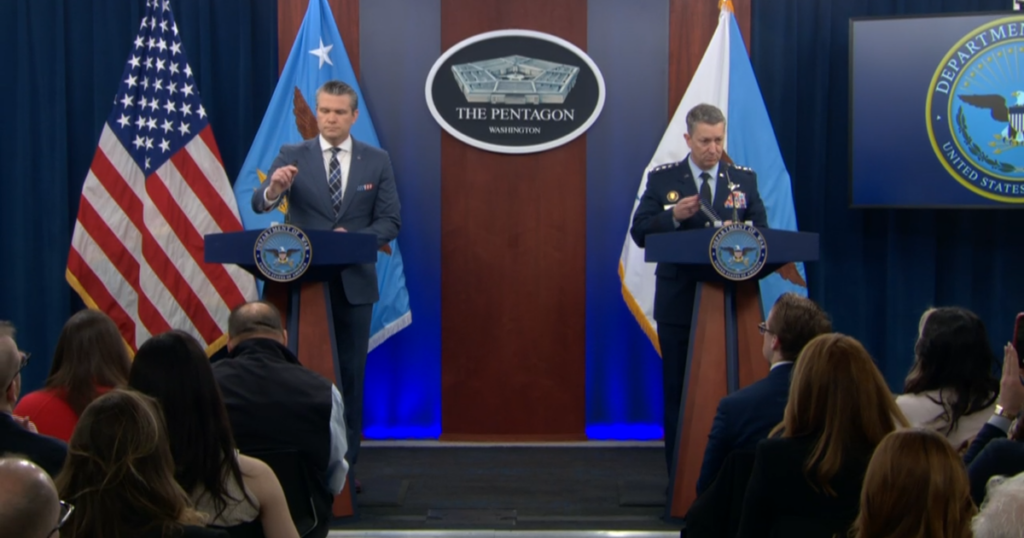
The United States and Israel have escalated military strikes against Iran, with the U.S. conducting over 7,000 attacks on Iranian military and industrial sites as part of Operation Epic Fury, while Israel targeted key Iranian officials and energy infrastructure. These actions have heightened tensions and disrupted global energy markets, prompting President Trump to warn Israel against further attacks on shared resources unless provoked by Iran, and calls for international efforts to reopen the closed Strait of Hormuz. Despite significant damage to Iran’s capabilities, intelligence reports indicate the regime remains intact, amid ongoing investigations into leaks related to the conflict and revelations of covert coordination between the U.S. and Israel.
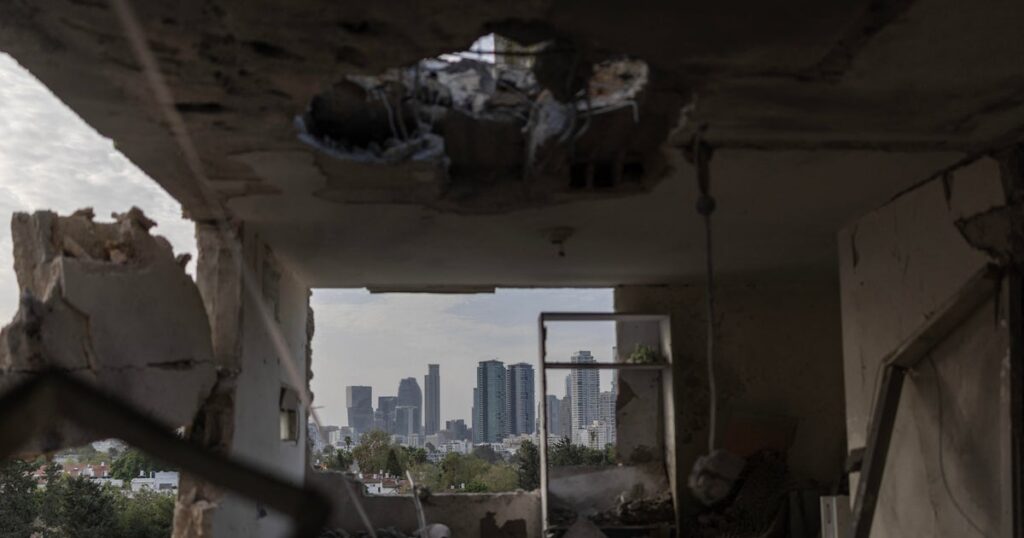
The conflict between Israel, the United States, and Iran has escalated sharply after an Israeli strike on Iran’s South Pars gas field, prompting Iranian retaliatory attacks on energy infrastructure across Gulf states and causing major disruptions to global energy supplies. These attacks have led to soaring oil and natural gas prices, closure of the Strait of Hormuz to tanker traffic, and heightened regional tensions, with international actors calling for de-escalation amid widespread condemnation. The ongoing crisis threatens regional stability and global markets, while diplomatic efforts have so far failed to resolve the conflict, leaving the situation highly volatile.
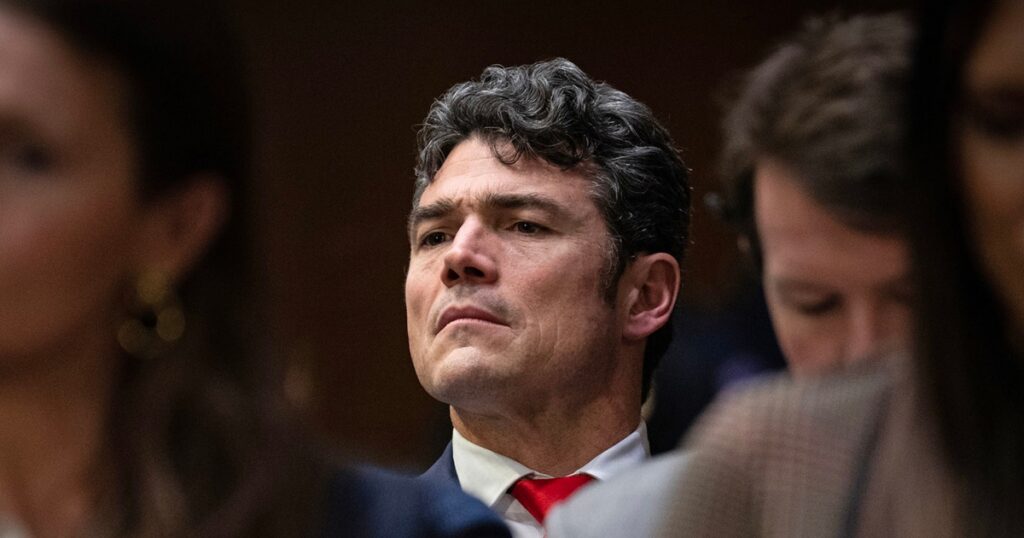
The FBI is investigating Joe Kent, former director of the National Counterterrorism Center, for alleged leaks of classified information, with the probe beginning before his recent resignation over opposition to the Trump administration’s decision to go to war with Iran. Kent criticized the administration’s rationale, claiming there was no imminent Iranian threat and that the war decision was influenced by Israeli pressure, while the Trump administration and intelligence officials have disputed his claims. His resignation has sparked debate among political and intelligence circles, with former President Trump calling Kent “weak on security” and reaffirming the threat posed by Iran.
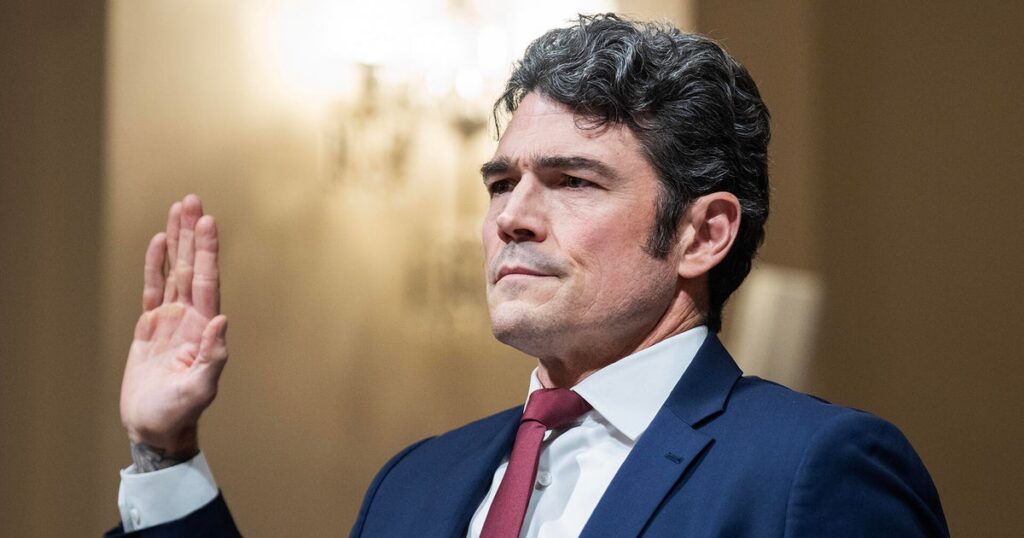
Joe Kent, director of the National Counterterrorism Center and a former Trump supporter, resigned amid controversy over U.S. military actions against Iran, criticizing the administration’s war rationale and alleging misinformation campaigns by Israeli officials and American media. His departure sparked backlash from Republican leaders who condemned his claims as anti-Semitic, while Kent’s past associations with far-right figures and conspiracy theories further complicated his tenure. Concurrently, Director of National Intelligence Tulsi Gabbard testified on Iran’s diminished but ongoing threat, underscoring internal divisions and political pressures shaping U.S. policy toward the conflict.
Federal Reserve Holds Interest Rates Steady Amid Middle East Conflict and Rising Inflation Pressures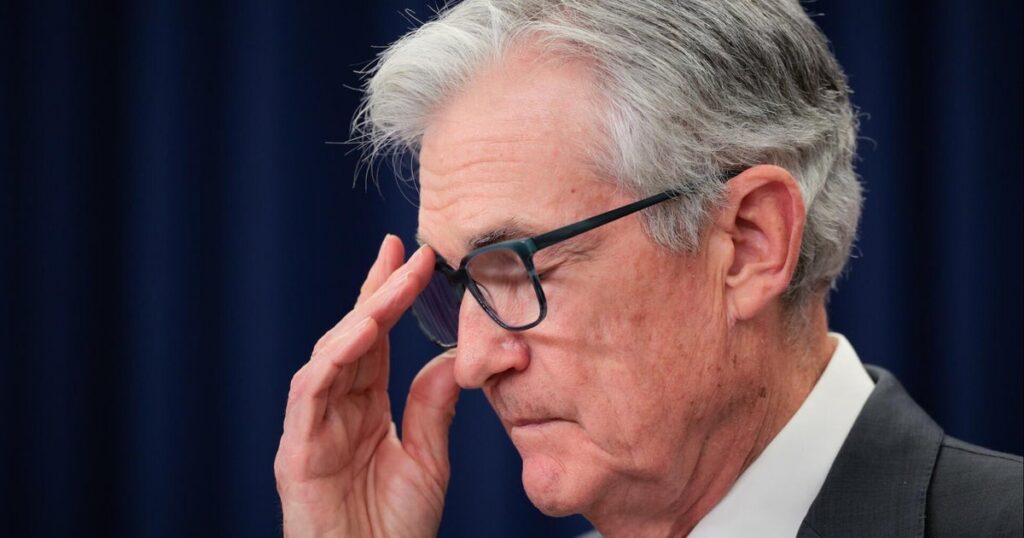
Federal Reserve Holds Interest Rates Steady Amid Middle East Conflict and Rising Inflation Pressures
The Federal Reserve announced it will keep its benchmark interest rate steady at 3.5% to 3.75%, marking a second consecutive pause amid economic uncertainty driven by geopolitical tensions in the Middle East. Rising energy prices due to the conflict between the U.S., Israel, and Iran have intensified inflationary pressures, while recent economic data showed unexpected job losses and higher wholesale inflation. Federal Reserve Chair Jerome Powell is expected to provide further guidance on monetary policy amid these challenges, with potential rate cuts later in 2026 remaining uncertain.