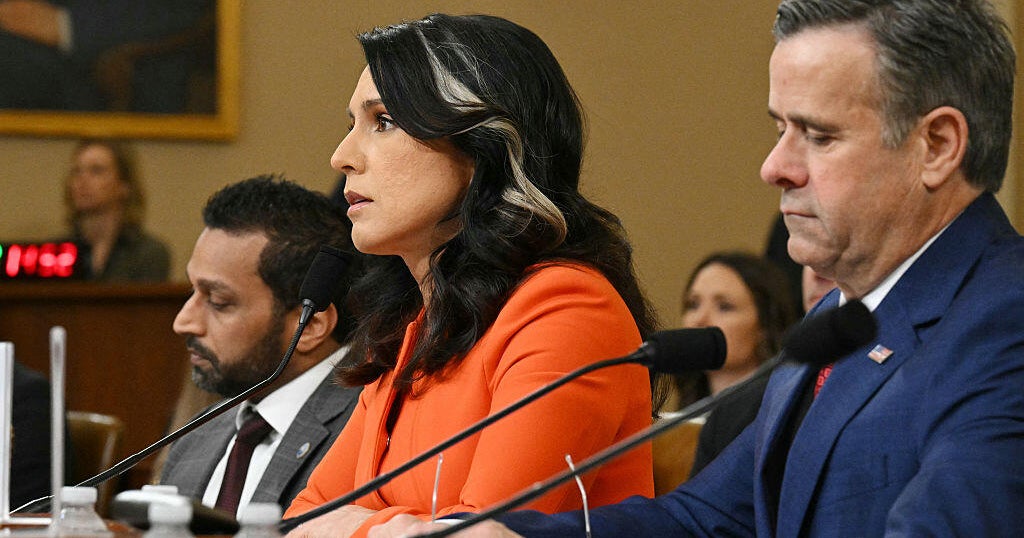
Top U.S. intelligence officials, including Director of National Intelligence Tulsi Gabbard, testified before the Senate Intelligence Committee amid heightened tensions following the U.S. military campaign against Iran, which was justified by the Trump administration as a response to an imminent threat despite intelligence reports indicating Iran was not actively pursuing nuclear weapons. The hearing occurred shortly after the resignation of Joe Kent, head of the National Counterterrorism Center, who criticized the administration’s rationale for war, while lawmakers remain divided over calls for greater transparency and public hearings on the conflict. As the debate over oversight continues, Democratic lawmakers push for more disclosure, whereas many Republicans argue that classified briefings suffice to protect national security.
Posts tagged as “Arab Israeli”
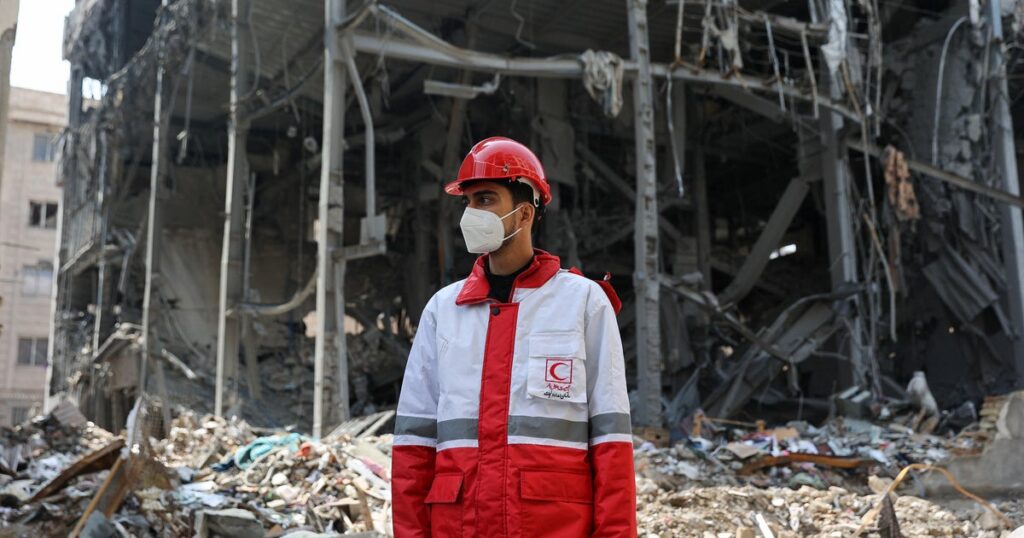
Iran launched missile and drone attacks on Israel and Persian Gulf states following Israeli airstrikes that killed senior Iranian officials, escalating the Middle East conflict with casualties reported near Tel Aviv and Beirut. Israeli Defense Minister Israel Katz vowed to target all senior Iranian figures and hinted at intensified military operations, while Iran maintained governmental stability despite losses and condemned U.S.-Israeli strikes on its territory. The conflict has triggered regional diplomatic efforts, disrupted global oil markets, and sparked controversy within the U.S. administration, including the resignation of a counterterrorism official critical of the war’s justification.
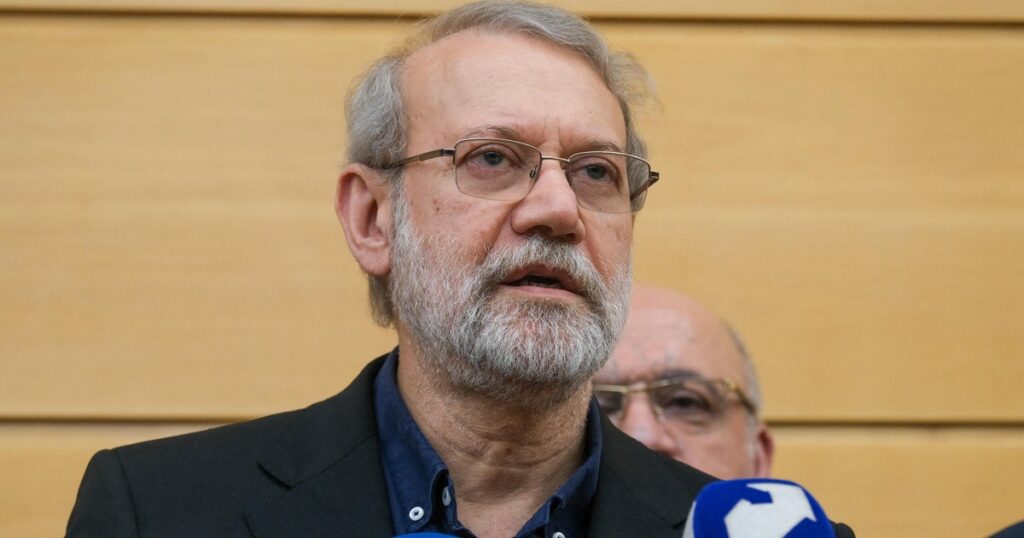
Israel announced the killing of Ali Larijani, a top Iranian security official and former head of Iran's Supreme National Security Council, along with several associates in overnight airstrikes, marking a significant escalation in the conflict with Iran. Larijani’s death removes a key insider known for balancing military action with negotiation, potentially hardening Iran’s stance, while Israel also targeted General Gholam Reza Soleimani, accused of repressing protesters. These assassinations have heightened regional tensions, disrupted global oil markets, and may entrench hardline factions in Iran, reducing prospects for a political resolution.
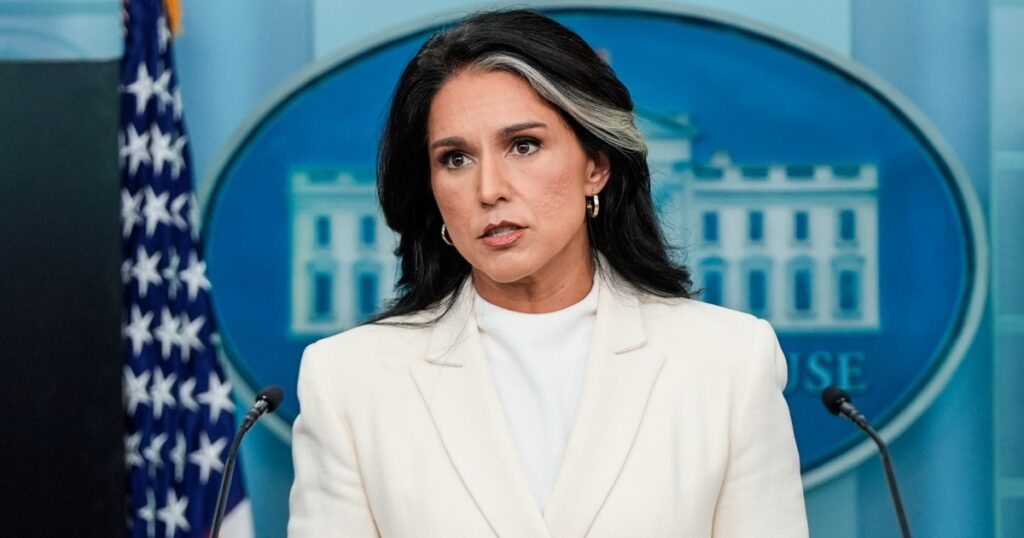
Joe Kent, former head of the National Counterterrorism Center, resigned in protest of the U.S.-Israeli military campaign against Iran, arguing that Iran posed no imminent threat and criticizing the war as influenced by Israeli pressure. His departure has intensified scrutiny on National Intelligence Director Tulsi Gabbard, who has maintained a neutral public stance but is expected to clarify her position during upcoming Senate testimony. The resignation has sparked debate within the Trump administration and Congress, highlighting divisions over U.S. foreign policy and the potential political consequences of the conflict.
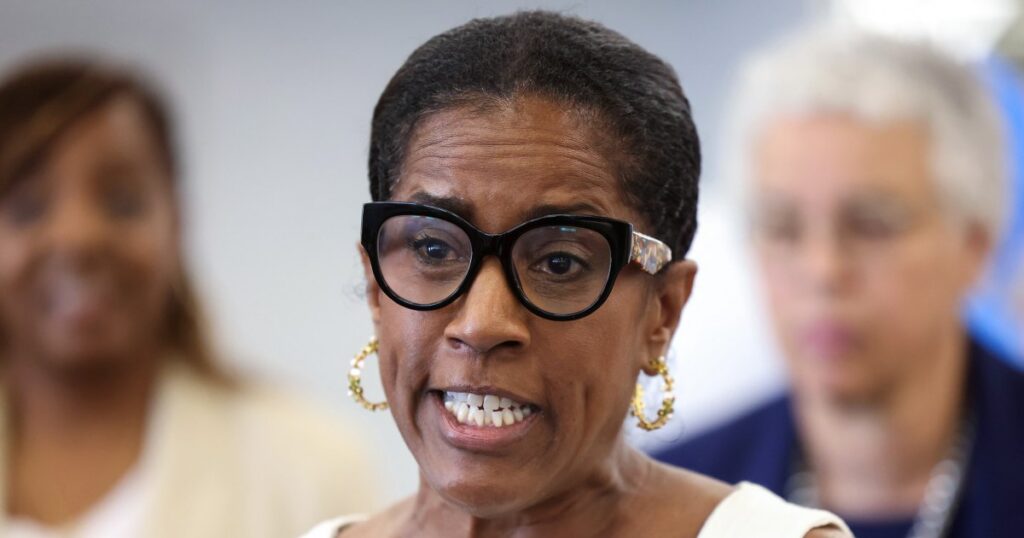
Illinois voters participated in the 2026 primary elections on March 17, with key races including the U.S. Senate seat, where Lieutenant Governor Juliana Stratton won the Democratic nomination to face Republican Don Tracy. The gubernatorial primary set up a rematch between incumbent JB Pritzker and Republican Darren Bailey, while several closely contested Democratic congressional primaries in the Chicago area highlighted ideological divides, particularly over Israel policy. Notable outcomes included Melissa Bean’s political comeback in the 8th District and tight races in the 7th and 9th Districts, reflecting shifting dynamics within Illinois politics ahead of the general elections.
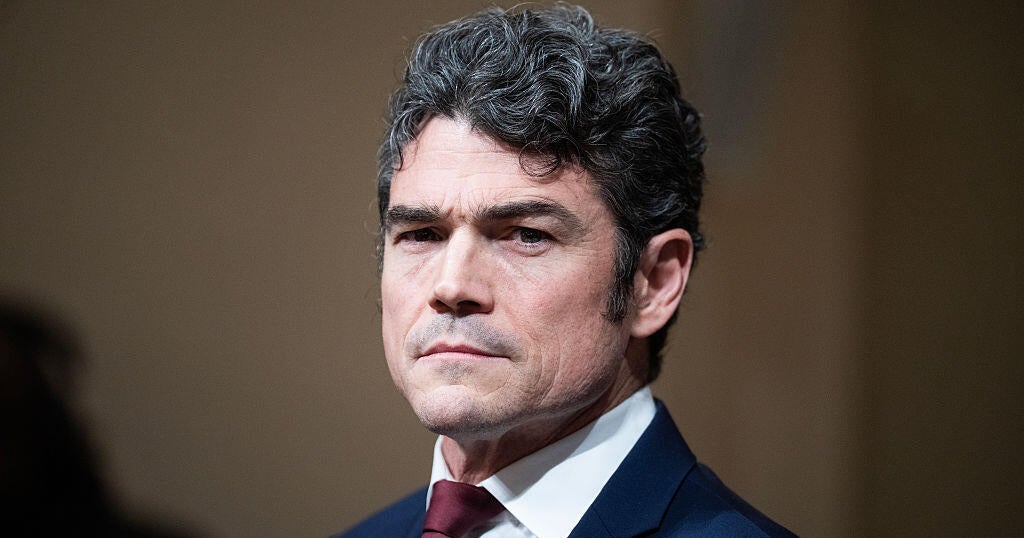
Joe Kent, director of the National Counterterrorism Center and a retired Green Beret, resigned abruptly in protest of the U.S. war in Iran, arguing that Iran posed no imminent threat and that the conflict was driven by pressure from Israel and its American lobby. His departure marks the most high-profile resignation within the Trump administration over the Iran conflict and highlights internal dissent regarding U.S. military intervention in the Middle East. Kent’s stance aligns with other critics of the war, such as intelligence director Tulsi Gabbard, and underscores ongoing tensions about foreign policy direction within the administration.
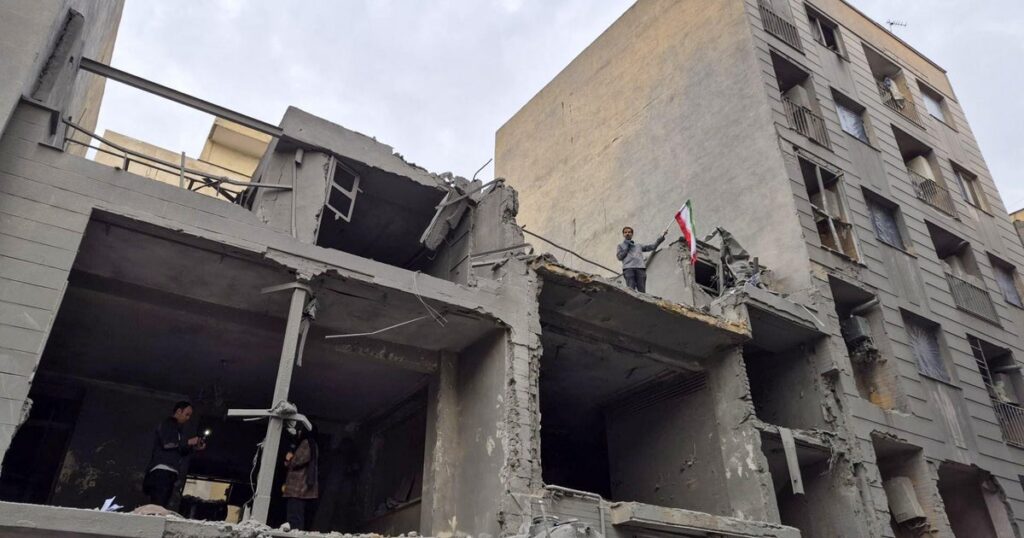
Tensions in the Middle East have intensified following Israeli strikes that killed senior Iranian officials, prompting Iranian missile and drone retaliations primarily targeting the UAE and escalating violence in Lebanon involving Hezbollah. The conflict has caused significant civilian casualties and infrastructure damage, drawing international concern and calls for negotiated peace, while also disrupting global energy markets and raising oil prices. Meanwhile, diplomatic efforts, including a planned U.S.-China summit, face uncertainty as the conflict diverts attention and complicates international relations.

The conflict between the United States, Israel, and Iran has led to the near closure of the Strait of Hormuz, severely disrupting global oil supplies and causing sharp price increases, particularly impacting energy-dependent Asian countries that have implemented emergency measures to cope with shortages. This disruption has triggered broader economic consequences, including rising costs for fuel and essential products like fertilizers, stock market declines, and a shift toward alternative energy sources. Meanwhile, maritime operations in the strait have become increasingly dangerous due to attacks and military tensions, with shipping largely deterred despite U.S. efforts to secure the vital waterway.