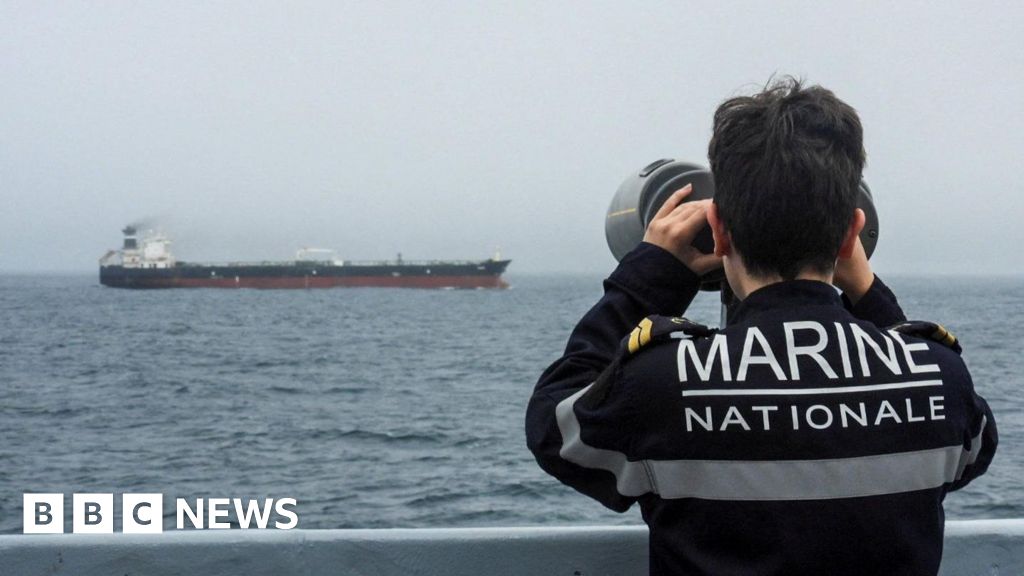
France and the UK intercepted the Russian oil tanker Tagor in the Atlantic, targeting vessels evading sanctions amid the Ukraine conflict. The operation underscores ongoing efforts to enforce maritime sanctions.
Posts tagged as “anti-Kremlin”
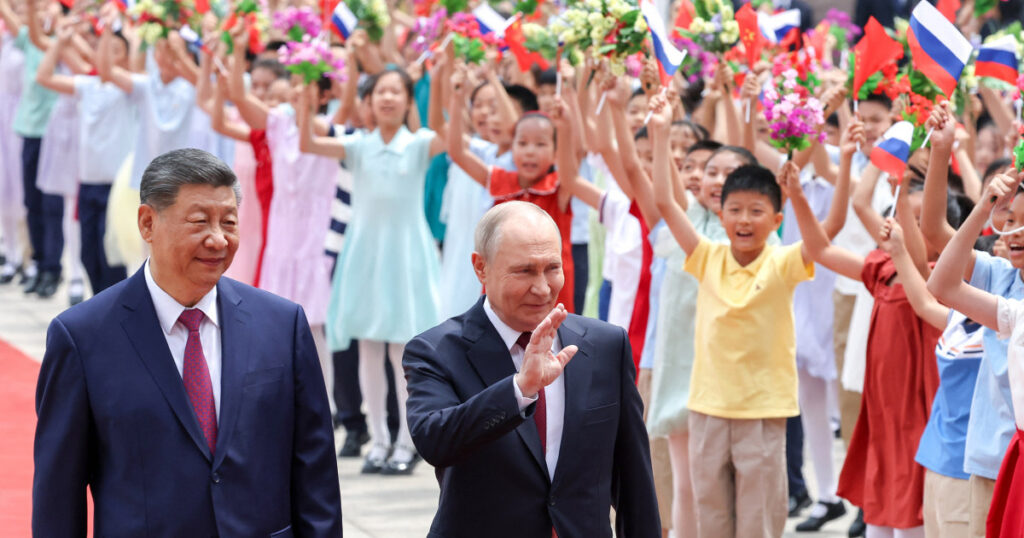
Chinese President Xi Jinping and Russian President Vladimir Putin meet in Beijing to strengthen ties, sign multiple agreements, and discuss global conflicts. Energy cooperation and the Ukraine war were key topics, with no breakthrough on a major gas pipeline deal.
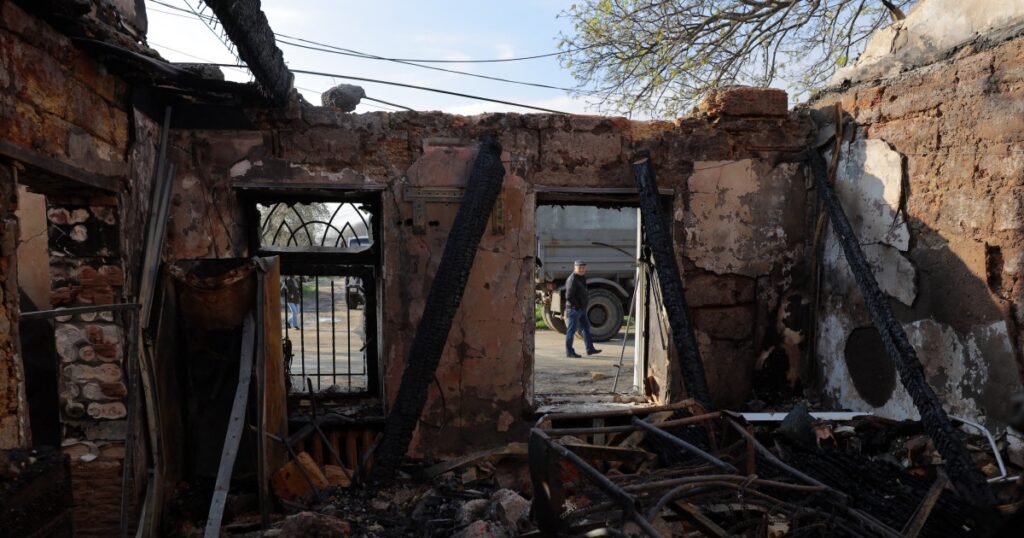
Russian drone strikes killed two and wounded two in Odesa ahead of a 32-hour Orthodox Easter ceasefire. A prisoner exchange returned 175 Russian soldiers, while both sides prepared for the ceasefire amid ongoing tensions.

The latest episode of "CBS News Sunday Morning," airing March 15, explores Hollywood's history and future through interviews with industry figures and highlights the preservation of Chaplin Studios by John Mayer and McG. It also features a segment on the Oscar-nominated documentary "Mr. Nobody Against Putin," which exposes Kremlin propaganda, and reflects on the 1979 Iran hostage crisis with Ted Koppel. Additionally, the episode touches on upcoming Oscars coverage and reveals details of a defamation lawsuit involving actress Rebel Wilson and several producers.
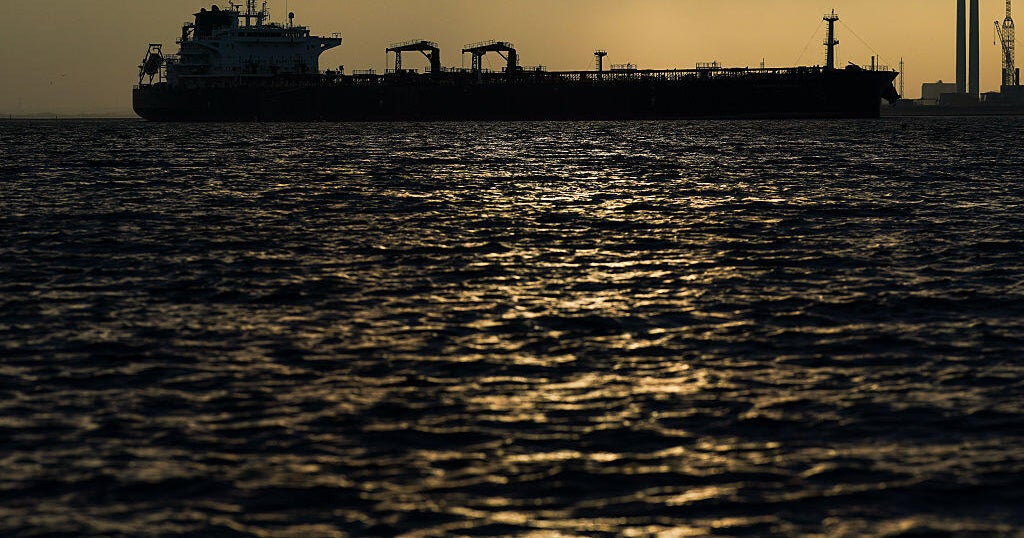
The United States has temporarily eased sanctions on Russian oil, allowing the purchase of petroleum products already loaded onto ships before the announcement, aiming to ease global energy market disruptions caused by conflicts in the Middle East. Treasury Secretary Scott Bessent emphasized the measure is narrowly tailored to avoid benefiting Russia financially and to increase existing supply amid restricted shipping through the Strait of Hormuz. While Russia welcomed the move as stabilizing global markets, European governments and some U.S. lawmakers criticized it for potentially strengthening Russia’s position and undermining sanctions related to the Ukraine conflict.
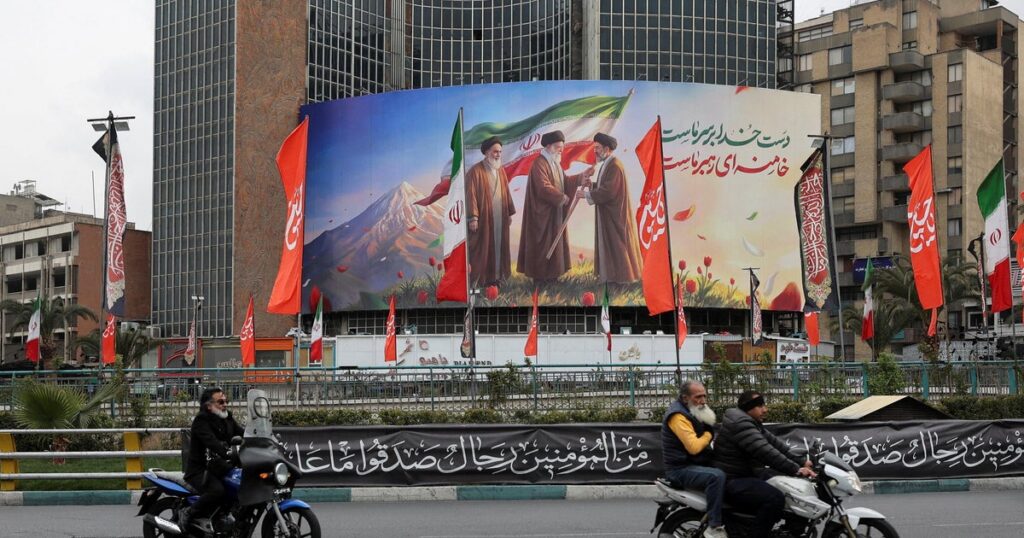
Oil prices have surged due to the escalating Middle East conflict, which has disrupted shipping through the strategic Strait of Hormuz and drawn significant military attention from the U.S. and its allies. Russia has emerged as a key beneficiary of rising energy prices, potentially increasing its oil revenues and military spending amid the ongoing Ukraine war. Meanwhile, the conflict intensifies with attacks on Gulf countries, heightened regional military deployments, and diplomatic efforts to support affected nations and maintain global energy security.

Russian President Vladimir Putin has declared a three-day ceasefire in the conflict with Ukraine, set to coincide with the 80th anniversary of "Victory Day," commemorating Russia's victory over Nazi Germany. The ceasefire, beginning on May 8 and ending on May 11, aligns with Victory in Europe Day, a significant holiday in Russia. Despite this gesture, Ukraine remains skeptical due to past violations by Russian forces and has warned of a response to any breaches, highlighting persistent tensions and difficulties in securing lasting peace.
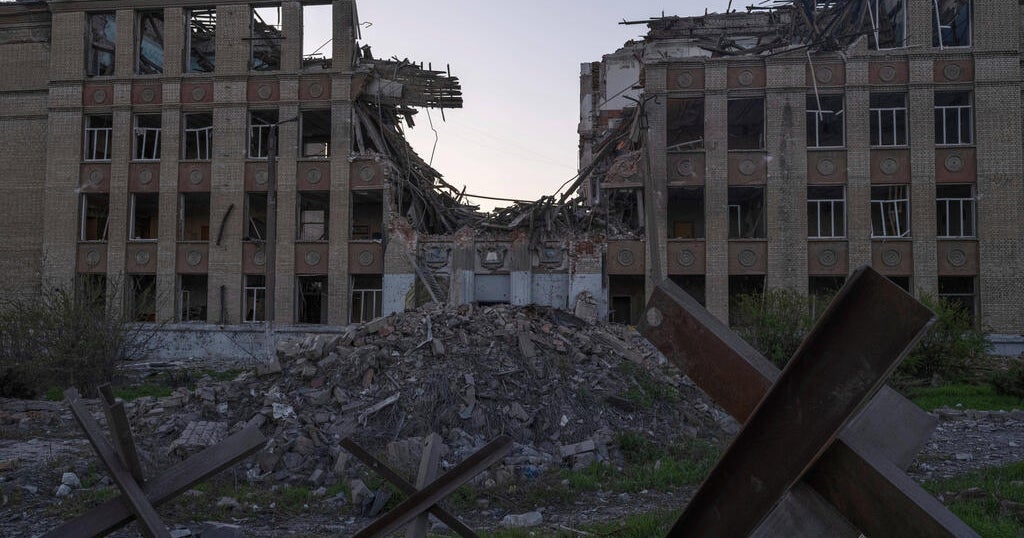
On Easter Sunday, tensions between Russia and Ukraine escalated as both nations accused each other of violating a temporary ceasefire, with Ukrainian President Volodymyr Zelenskyy reporting continued aggressive actions by Russian forces. Despite the ceasefire announced by Russian President Vladimir Putin, breaches were reported by both sides, each blaming the other, in a conflict that has persisted since February 2022. Kremlin spokesperson Dmitry Peskov confirmed there was no directive to extend the ceasefire, suggesting hostilities could resume, while the international community closely monitors the situation due to its impact on regional stability.