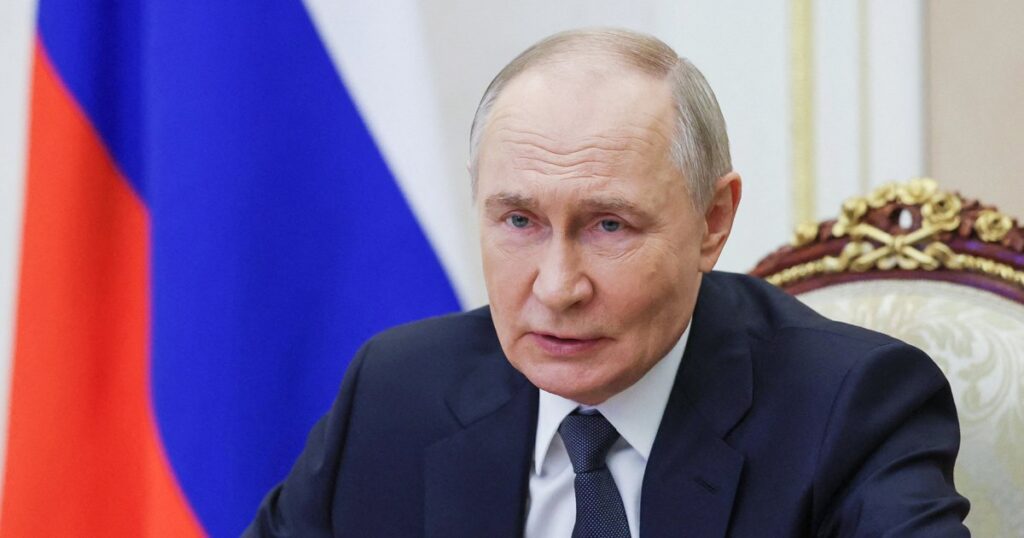
Russian President Vladimir Putin has announced a temporary ceasefire in Ukraine to coincide with the Easter holiday, beginning at 1800 hours on Saturday and lasting until midnight on Sunday. The ceasefire aims to provide a pause in the three-year conflict, with Putin urging Russian forces to remain vigilant and expressing hope that Ukraine will reciprocate the gesture. This announcement comes as Russia's Defense Ministry reports progress in military operations, and the international community will be observing whether the truce holds and leads to further diplomatic efforts.
Posts tagged as “anti-Kremlin”
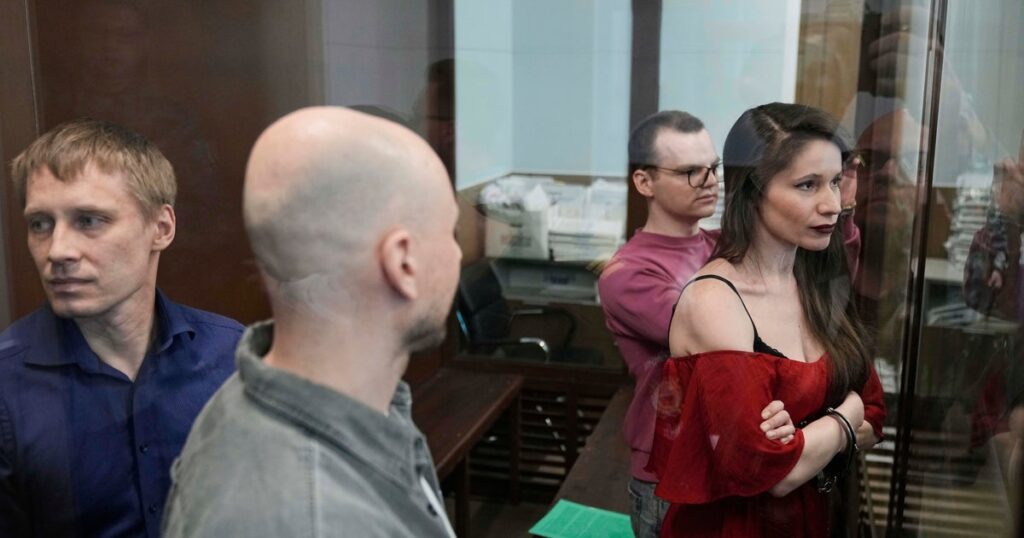
A Russian court sentenced four journalists to five and a half years in prison for extremism due to their ties with an anti-corruption organization founded by the late Alexei Navalny, as part of a broader crackdown on Kremlin critics. The trial, held behind closed doors, reflects intensified suppression of dissent since Russia's military actions in Ukraine began in February 2022, with the journalists maintaining their innocence and attributing their prosecution to their professional work. This case exemplifies the growing challenges for media professionals in Russia, where the distinction between journalism and criminal activity is increasingly blurred, raising international concerns about freedom of speech and press.
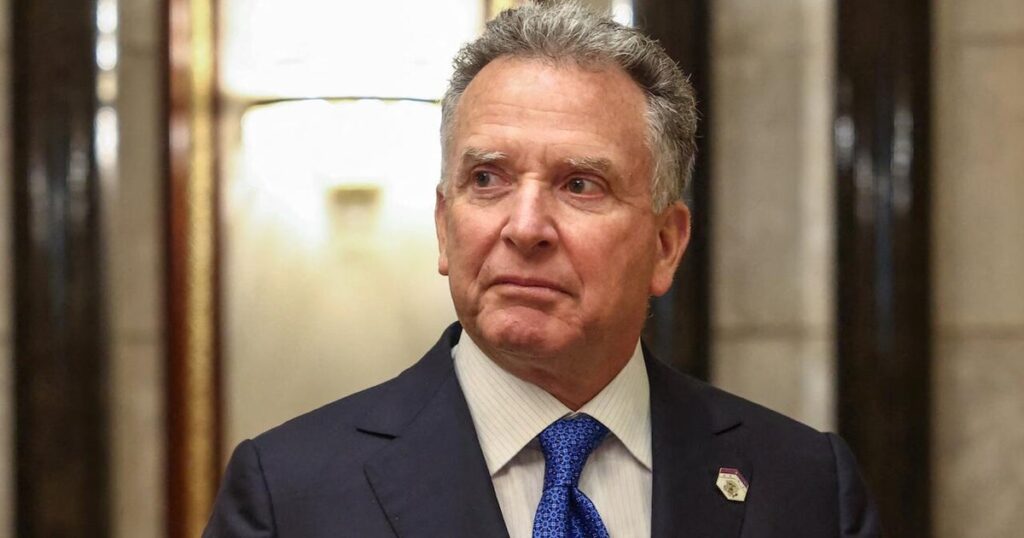
In a recent U.S.-Russia prisoner exchange, dual national Ksenia Karelina, a former ballerina sentenced to 12 years in a Russian penal colony for allegedly supporting Ukraine's military, returned to the United States. The exchange involved Arthur Petrov, accused of forming a global smuggling spy ring, though details of his activities remain undisclosed. Facilitated by U.S. special envoy Steve Witkoff, this exchange underscores the complexities of diplomatic negotiations and marks a significant moment in U.S.-Russia relations.
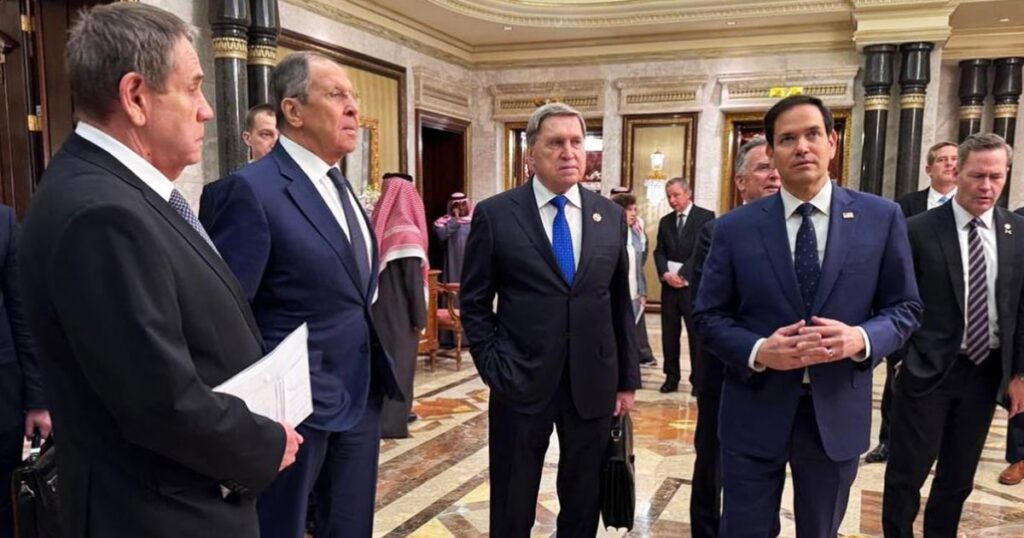
The anticipated joint statement from the United States and Russia regarding a potential ceasefire in Ukraine was not released, as Russian officials continued to review details from recent talks held in Saudi Arabia. These discussions aimed to establish a maritime ceasefire in the Black Sea, but despite initial optimism from the U.S. team, no written agreement was reached. The absence of a formal agreement highlights the ongoing complexities and challenges in achieving a diplomatic resolution to the conflict, as Russian military operations in Ukraine persist.
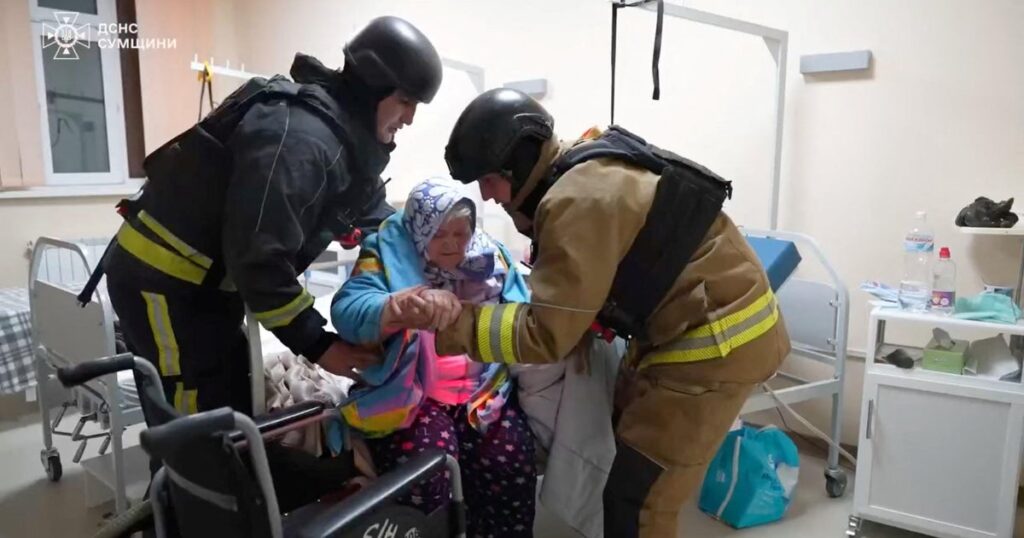
Tensions between Russia and Ukraine have intensified following mutual accusations of air attacks on civilian targets, despite an alleged agreement between Russian President Vladimir Putin and former U.S. President Donald Trump to halt such strikes. Discrepancies have arisen between the Kremlin's account and statements from Trump and the White House, with Russia reportedly launching drone strikes on Ukrainian civilian areas despite the supposed ceasefire. Ukrainian President Volodymyr Zelenskyy has called for increased international pressure on Moscow, highlighting the complexities and challenges of diplomatic negotiations amid ongoing hostilities.
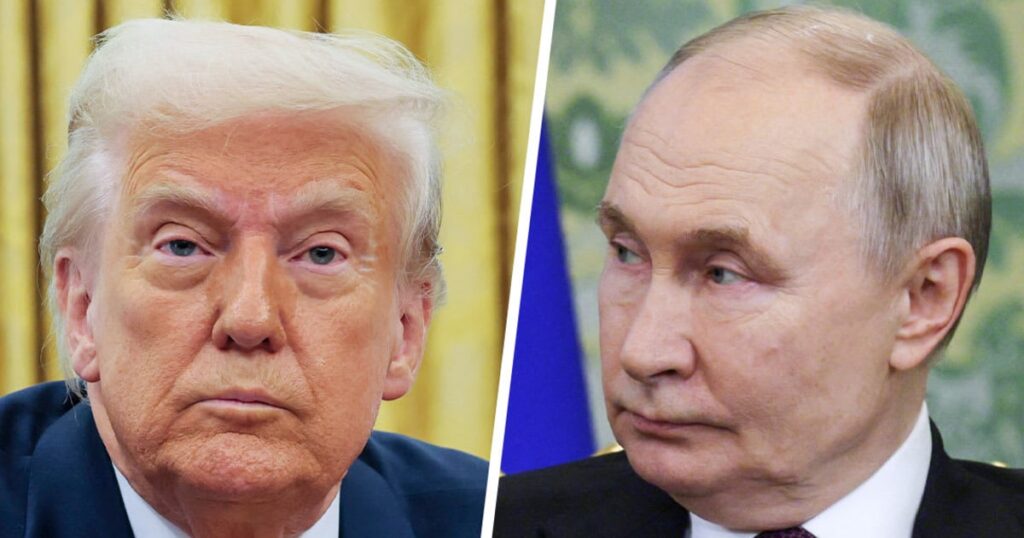
U.S. President Donald Trump and Russian President Vladimir Putin have agreed to initiate steps toward a peace agreement for the Russia-Ukraine conflict, focusing initially on a maritime ceasefire in the Black Sea. The White House emphasized the need for genuine peace efforts, while the Kremlin highlighted the importance of halting foreign military aid to Kyiv as a condition for progress. This agreement marks a significant diplomatic effort, with both sides committed to exploring avenues for peace, and the international community will be closely watching the negotiations.
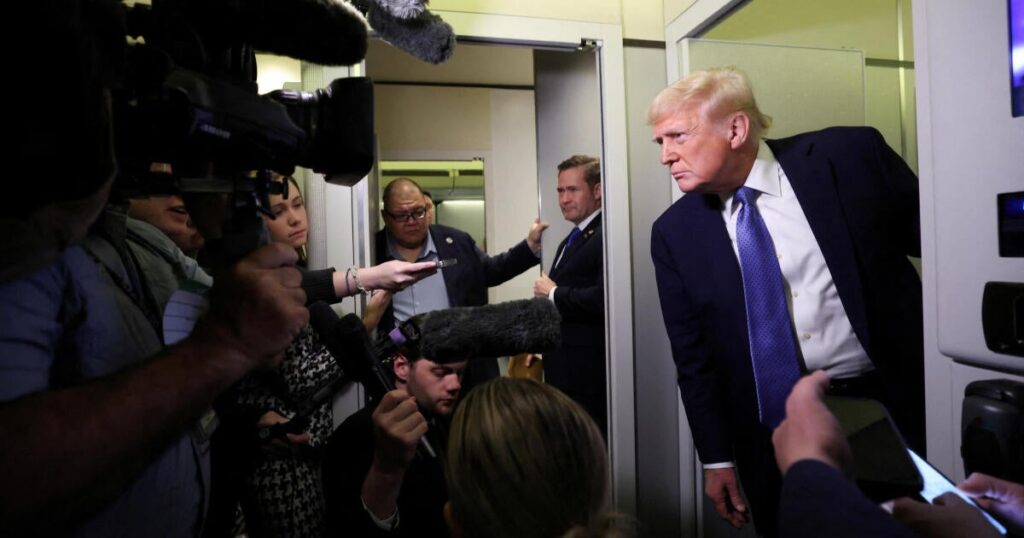
Negotiations between Washington and Moscow have begun to address the division of assets between Russia and Ukraine, aiming to end the ongoing conflict that started with Russia's invasion of Ukraine. President Donald Trump announced plans to discuss the matter further with Russian President Vladimir Putin, focusing on assets like land and power plants as potential steps toward resolution. While a recent proposal for a 30-day ceasefire was made in Saudi Arabia, further discussions are necessary as President Putin has not yet committed to a formal agreement, though diplomatic efforts continue with cautious optimism.
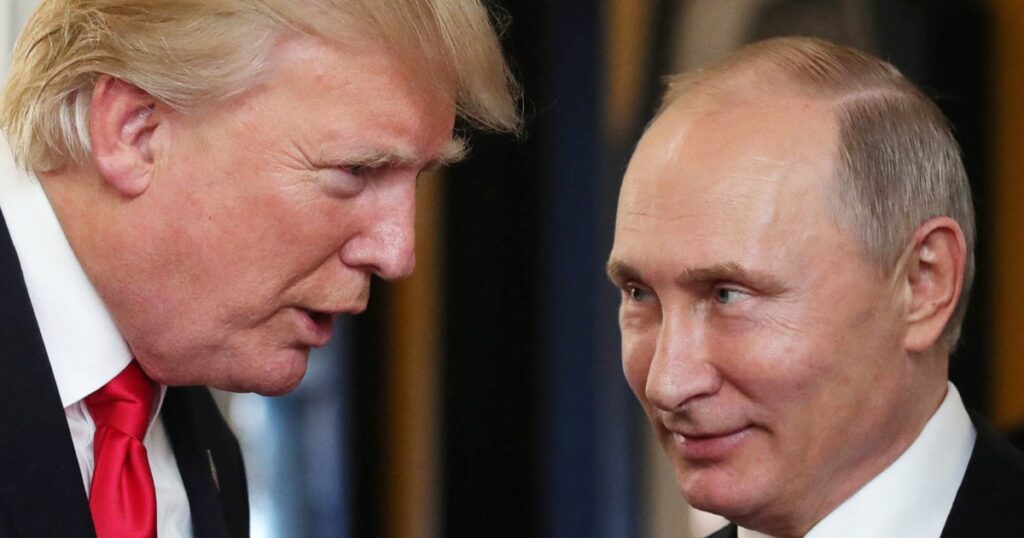
Ukrainian President Volodymyr Zelenskyy has indicated Ukraine's willingness to engage in peace talks following the U.S. decision to pause military aid, amid diplomatic tensions highlighted by a contentious meeting at the White House involving President Donald Trump and Vice President JD Vance. The meeting, which failed to finalize a key minerals agreement between the U.S. and Ukraine, has been portrayed by Russian officials and media as a sign of fragmentation within the Western alliance. Despite these diplomatic challenges, discussions on the minerals agreement continue, with U.S. Treasury Secretary Scott Bessent emphasizing ongoing efforts to sustain economic cooperation between the two nations.