Press "Enter" to skip to content

Posts tagged as “Agence France-Presse”
Millions Rally Nationwide in Massive “No Kings” Protests Against Trump Administration

Millions are expected to participate in the nationwide "No Kings" protests against President Trump, with over 3,100 events planned across the U.S. and a flagship rally in St. Paul, Minnesota, drawing significant attention due to recent federal immigration enforcement controversies. The movement, which began with a smaller demonstration in Paris, aims to oppose various Trump administration policies, including immigration enforcement, healthcare cuts, and perceived abuses of power, and features appearances by notable activists and musicians. Despite White House dismissals of the protests as politically motivated, organizers highlight widespread support from diverse regions, including rural and suburban areas, and the movement has gained international traction with events planned globally.

Markets Slide as Iran-US Peace Talks Stall, Oil Prices Surge Above $100

U.S. financial markets declined sharply amid fading hopes for imminent peace talks between the U.S. and Iran, with major stock indexes falling and bond yields rising, leading to increased mortgage rates globally. Oil prices surged over 40% since the conflict began, driven by heightened tensions, while diplomatic efforts stalled as Iran rejected a U.S. peace proposal seen as one-sided. Military actions, including the targeted killing of an Iranian naval commander by Israel and significant U.S. strikes on Iran’s navy, have escalated the conflict, with warnings from President Trump and concerns over Russia’s involvement further complicating the geopolitical landscape.

US-Iran Tensions Escalate Over Strait of Hormuz as Military Threats and Attacks Surge, Driving Global Oil Prices Soaring

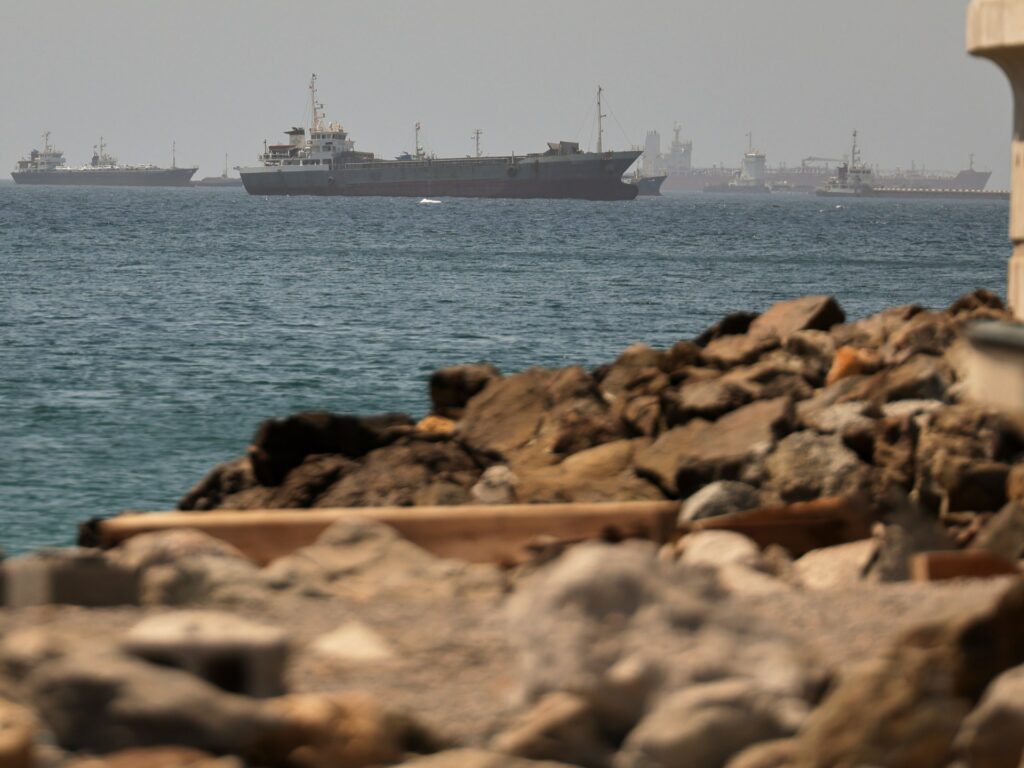
Tensions between the United States and Iran have sharply escalated over the closure of the strategic Strait of Hormuz, with the U.S. issuing an ultimatum threatening to target Iran’s energy infrastructure and Iran responding with warnings of retaliatory strikes on U.S. and Israeli assets. Military engagements have already occurred, causing significant disruptions to global oil supplies and surging prices, while international efforts to secure the strait face challenges due to Iran’s control over critical infrastructure through the IRGC. Experts warn that military action alone may not resolve the crisis and highlight the potential humanitarian risks of targeting energy infrastructure linked to civilian services, prompting calls for careful strategic decisions amid growing regional instability.

Israeli Strike on Iran’s South Pars Gas Field Sparks Retaliatory Attacks, Disrupts Global Energy Markets

The conflict between Israel, the United States, and Iran has escalated sharply after an Israeli strike on Iran’s South Pars gas field, prompting Iranian retaliatory attacks on energy infrastructure across Gulf states and causing major disruptions to global energy supplies. These attacks have led to soaring oil and natural gas prices, closure of the Strait of Hormuz to tanker traffic, and heightened regional tensions, with international actors calling for de-escalation amid widespread condemnation. The ongoing crisis threatens regional stability and global markets, while diplomatic efforts have so far failed to resolve the conflict, leaving the situation highly volatile.

Senior Counterterrorism Official Resigns Over Iran War, Intensifying Scrutiny on National Intelligence Director Tulsi Gabbard

Joe Kent, former head of the National Counterterrorism Center, resigned in protest of the U.S.-Israeli military campaign against Iran, arguing that Iran posed no imminent threat and criticizing the war as influenced by Israeli pressure. His departure has intensified scrutiny on National Intelligence Director Tulsi Gabbard, who has maintained a neutral public stance but is expected to clarify her position during upcoming Senate testimony. The resignation has sparked debate within the Trump administration and Congress, highlighting divisions over U.S. foreign policy and the potential political consequences of the conflict.

Israeli Strikes Kill Senior Iranian Officials as Middle East Tensions Surge, U.S.-China Summit Faces Uncertainty

Tensions in the Middle East have intensified following Israeli strikes that killed senior Iranian officials, prompting Iranian missile and drone retaliations primarily targeting the UAE and escalating violence in Lebanon involving Hezbollah. The conflict has caused significant civilian casualties and infrastructure damage, drawing international concern and calls for negotiated peace, while also disrupting global energy markets and raising oil prices. Meanwhile, diplomatic efforts, including a planned U.S.-China summit, face uncertainty as the conflict diverts attention and complicates international relations.

Trump Urges International Naval Patrols in Strait of Hormuz Amid Rising Tensions, Allies Respond Cautiously

U.S. President Donald Trump has called on allied and rival nations to jointly patrol the Strait of Hormuz to secure the vital oil shipping route amid escalating tensions, but countries like Japan, France, China, the UK, and South Korea have responded cautiously without committing to military involvement. Iran maintains its stance of self-defense, denying closure of the strait and blaming U.S. actions for the insecurity, while allowing some vessels safe passage. Experts warn that even a multinational naval presence may not ensure security due to the strait’s narrowness and asymmetric threats, suggesting that diplomatic solutions may be more effective than military intervention.

Trump Administration Weighs Military Escort for Oil Tankers in Strait of Hormuz Amid Rising Iranian Drone Attacks and Regional Tensions

The Trump administration is considering a military operation to escort oil tankers through the Strait of Hormuz following a series of attacks on vessels in the Persian Gulf, which have disrupted global oil shipments and driven up prices. The proposed operation involves neutralizing Iranian threats through strikes on missile and drone facilities before providing convoy protection with U.S. Navy ships and international partners, amid ongoing drone attacks by Iran targeting U.S. bases and regional infrastructure. As the conflict escalates, the U.S. and allies are working to secure critical maritime routes and counter Iran’s advanced drone warfare capabilities in a highly volatile environment.

We've updated the design to something a little more modern.  Got an opinion?  Let us know!