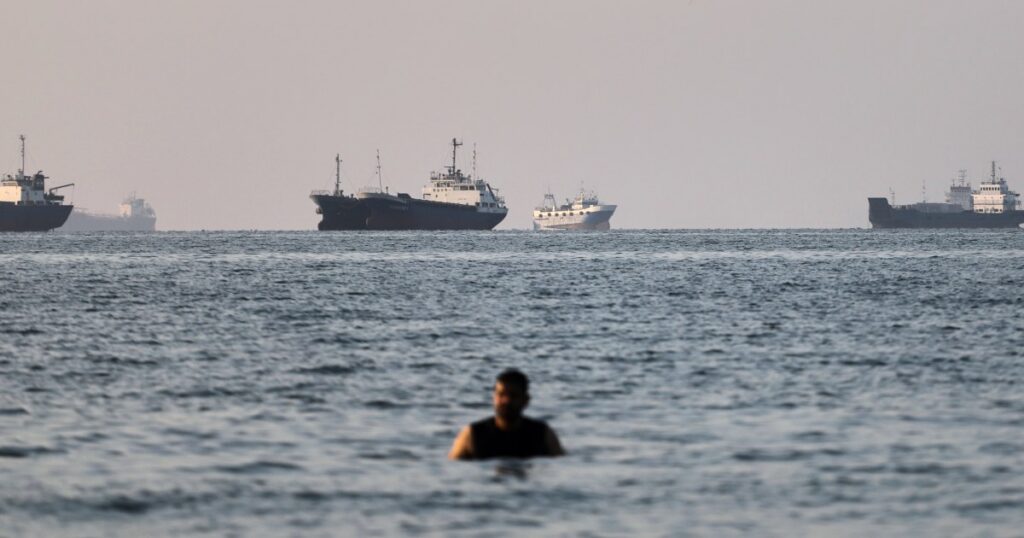
Trump said a U.S.-Iran deal is scheduled to be signed Sunday and would reopen the Strait of Hormuz, but Iran said the memorandum would not be signed that day. Pakistan, a key mediator, said finalization could come within 24 hours.
Posts tagged as “Abbas Araghchi”
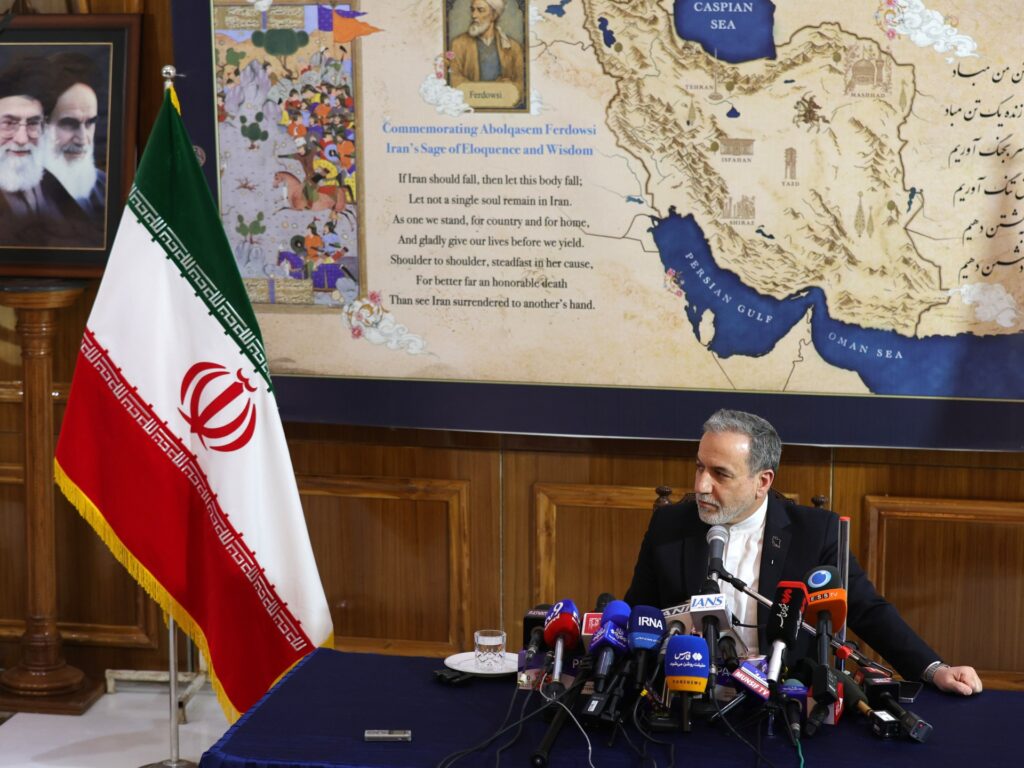
US and Iranian officials said a ceasefire deal may be close, but conflicting accounts over sanctions, nuclear terms and the Strait of Hormuz left the outcome uncertain. Pakistan’s prime minister claimed a final text had been agreed, a statement neither Washington nor Tehran confirmed.
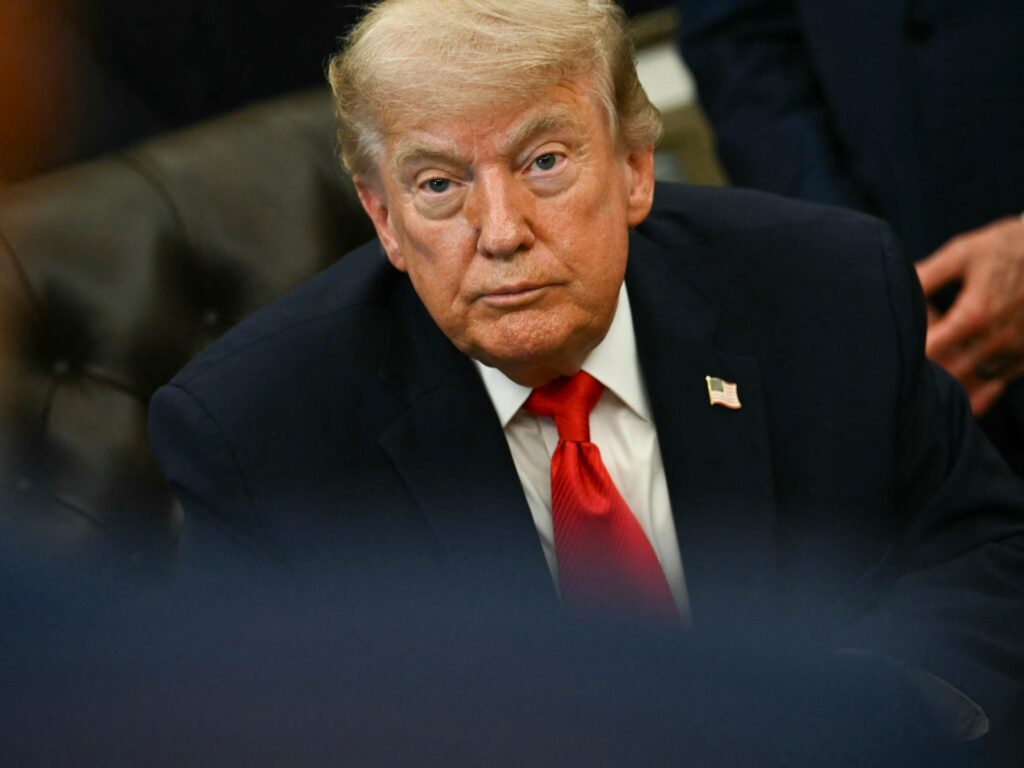
Trump rejected Iranian media reports describing alleged terms of a possible ceasefire agreement, calling them fake and unrelated to what had been agreed. Iranian and U.S. accounts differed sharply over sanctions relief, frozen assets, the Strait of Hormuz and Iran’s nuclear program.
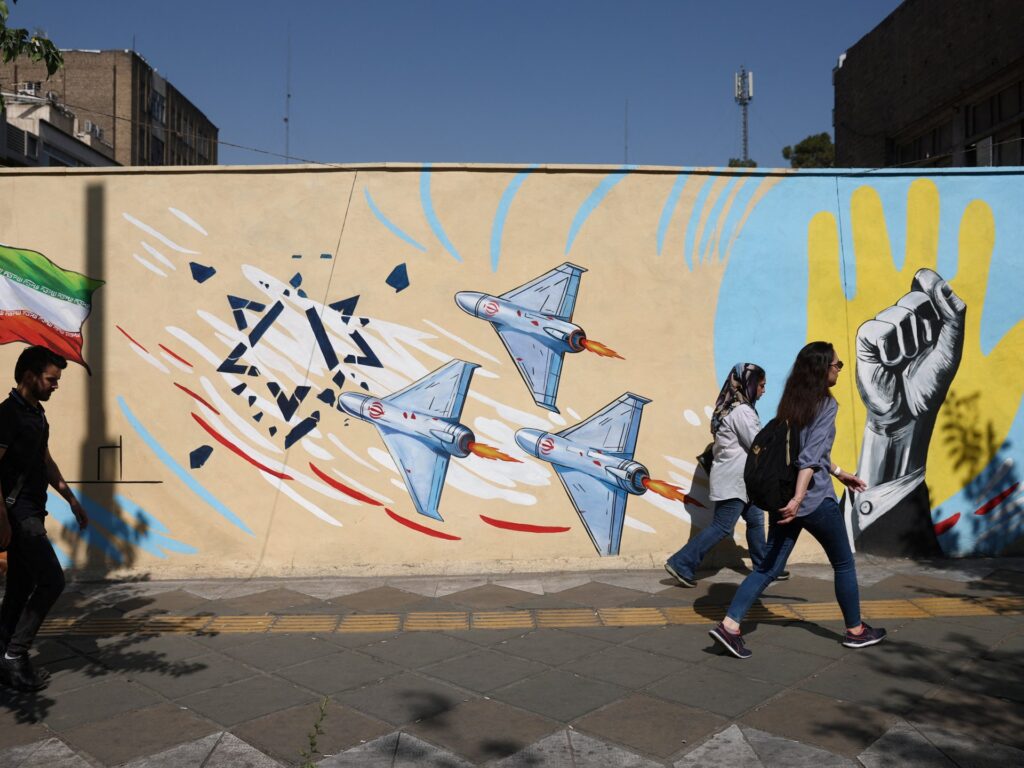
A fragile U.S.-Iran ceasefire collapsed after an American Apache helicopter was downed near the Strait of Hormuz, prompting U.S. strikes on Iranian targets. Iran responded with attacks targeting U.S.-linked military sites in Bahrain, Kuwait and Jordan, with air defenses reporting interceptions.
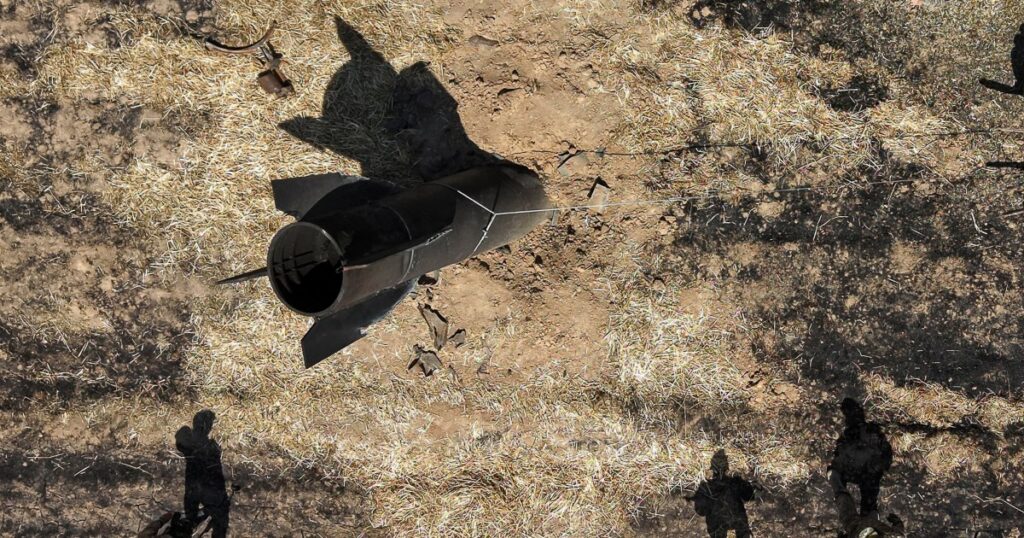
Iran’s Revolutionary Guards said they struck US military targets in Bahrain, Kuwait and Jordan after American attacks on Iranian sites near the Strait of Hormuz. Jordan said it intercepted five missiles, while US officials told Reuters nearly all Iranian missiles and drones were stopped.
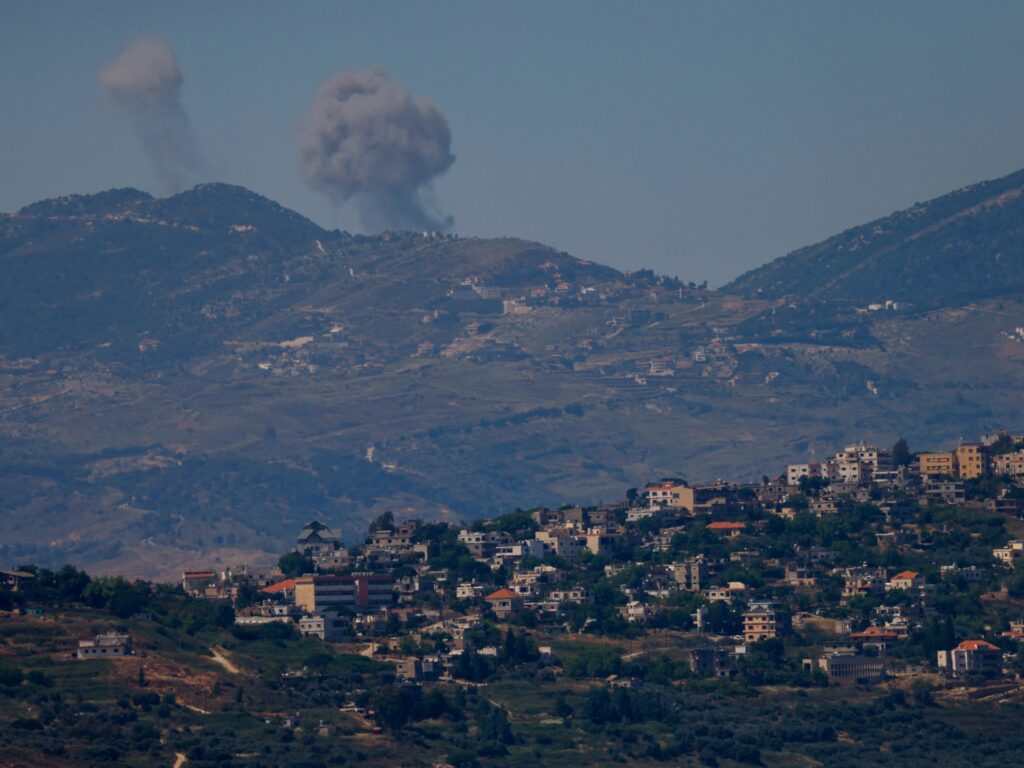
Iran launched missiles and drones toward Kuwait and Bahrain after US strikes on Iranian sites, raising pressure on stalled talks over a ceasefire. The escalation came as Israeli strikes in Lebanon killed nine people, including Lebanese soldiers.
Israeli strikes in southern Lebanon killed nine people Saturday, including three Lebanese soldiers, after a U.S.-brokered ceasefire push. Israel said one targeted vehicle was moving suspiciously in a combat zone and that the incident is under review.