Key takeaways:
- Iranian Foreign Minister Abbas Araghchi said an Islamabad memorandum of understanding to address the US-Israeli war with Iran had “never been closer.”
- Pakistan’s Prime Minister Shehbaz Sharif claimed a final peace deal text had been reached, but neither Washington nor Tehran confirmed that account.
- US officials said any sanctions relief or release of Iranian assets would depend on Iran complying with terms including dismantling its nuclear program and reopening the Strait of Hormuz.
Prospects for a lasting ceasefire between the United States and Iran remained unsettled Friday as officials in Washington, Tehran and Islamabad offered conflicting accounts of how close the sides are to a deal.
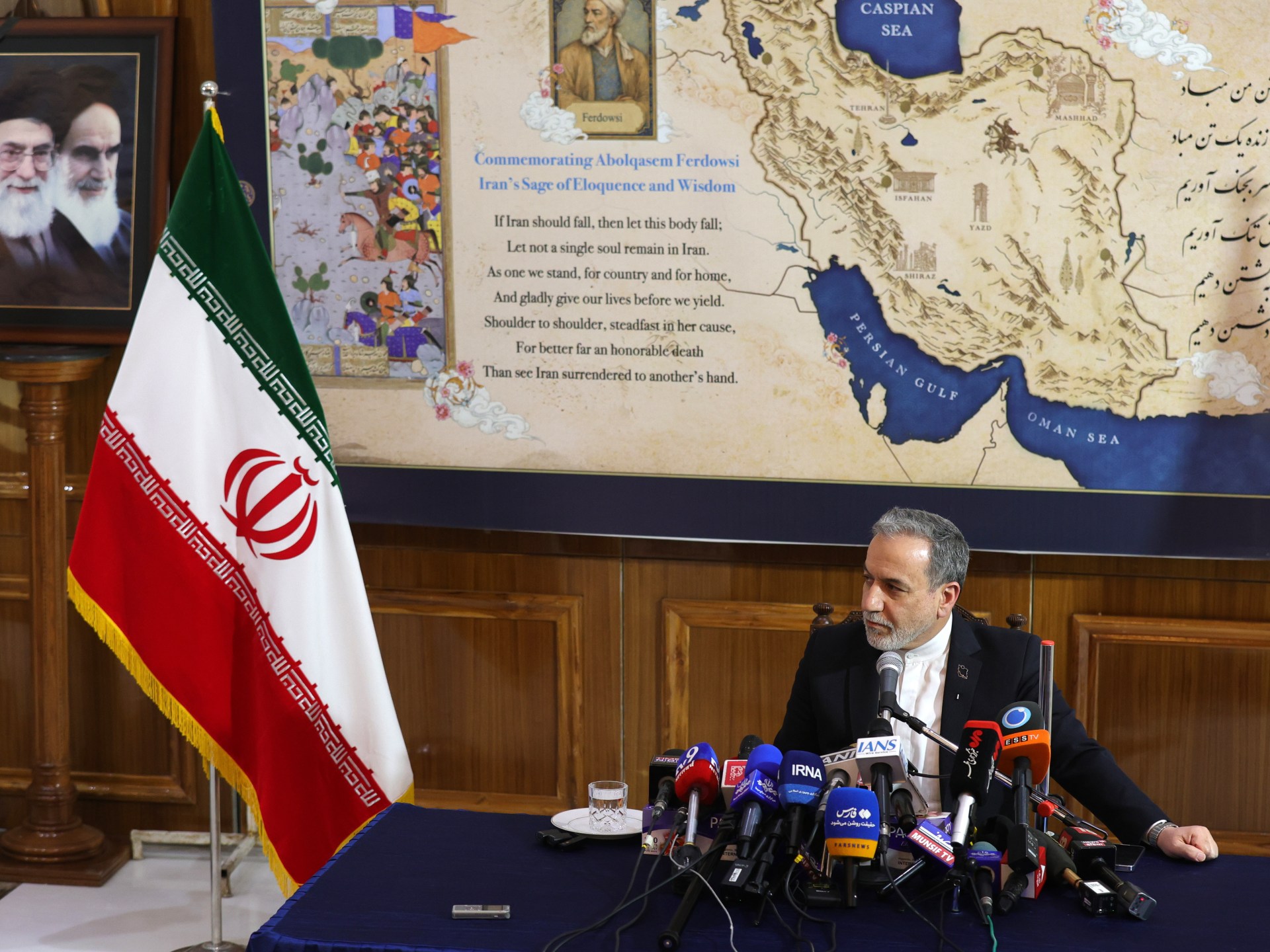
Iranian Foreign Minister Abbas Araghchi said an “Islamabad memorandum of understanding” to address the US-Israeli war with Iran had “never been closer,” calling it the clearest public signal from Tehran that a breakthrough may be possible. But he urged media outlets not to speculate about the agreement’s contents before it is finalized, saying Iran would share details with the public in due course.
Pakistan’s Prime Minister Shehbaz Sharif went further, writing on X that a “final, agreed upon text of the peace deal has been reached” between the US and Iran. “Pakistan is now working closely with both sides to finalise the next steps,” Sharif said. “Peace has never been this close as it is now.” Neither Tehran nor Washington has confirmed that a final version has been agreed.
A senior US official told reporters the deal was “not quite at the finish line yet, but we are very close,” and separately suggested there was an “80 to 85%” chance an agreement could be signed within days. The official said the memorandum would include “significant” sanctions relief and the unfreezing of Iranian assets, but only if Iran complies with obligations that Washington says include dismantling its nuclear program and handing over or destroying nuclear material.
“Most of the people that we’ve been speaking to, and most of the people who have authority within their system, want to sign this deal, but not everybody,” the official said. “And those internal fractures are sort of working themselves out as they continue to try to get to a point where they can say yes to the deal.”
The official added that Iran would “get rewarded economically for complying with their obligations under the deal,” saying there would be “a significant relief of economic sanctions.” Vice President JD Vance has said none of Iran’s frozen assets would be released immediately upon an initial deal.
President Donald Trump, who had suggested a deal could be signed as soon as this weekend, lashed out Friday at Iranian accounts of the draft terms. In social media posts, he called Iranians “very dishonorable people to deal with” and wrote, “With them, there is no such thing as dealing in good faith …. They better get their act together, and FAST!” He also told Axios he still believed a deal could be signed over the weekend and said Iran had privately apologized for releasing false information, though Axios reported it was unclear how that message was conveyed.
Iranian state and semi-official media published reports describing terms that US officials disputed. IRNA said the broad outlines were being finalized but reported that Iran would not give up control of the Strait of Hormuz, a key waterway that carries a fifth of the world’s oil and liquefied gas supplies and has been closed to most shipping by Tehran since shortly after the war began in February. Mehr news agency reported that a draft would end conflict on all fronts, include Lebanon, release $24 billion in frozen Iranian assets, suspend sanctions on oil and petrochemical sales, and lift a US naval blockade on Iranian ports.
Washington rejected those descriptions. US officials said the agreement would require the Strait of Hormuz to reopen, Iran’s nuclear material to be destroyed, its nuclear program to be dismantled and Tehran to stop supporting allied militant movements in the region. A US official also said the US would lift its blockade on Iranian ports under agreed terms.
Tensions remained high around the strait. US officials said American forces shot down two Iranian one-way attack drones Thursday after Tehran attempted to strike commercial ships. Iranian state media said Iran’s military stopped a tanker from transiting the strait and reported explosions early Friday.
The diplomatic push follows renewed fighting this week and months of volatility since an April ceasefire. Trump on Thursday threatened to seize Iran’s Kharg Island oil export terminal and launch new attacks, then said he had called off a third wave of strikes in anticipation of an agreement.
Israel, which began the war alongside the US in February but has not been included in the peace talks, said its priorities remain unchanged. Prime Minister Benjamin Netanyahu said Friday he and Trump were in “full agreement” on preventing Iran from acquiring nuclear weapons. A day earlier, Netanyahu said he had thanked Trump for a commitment that any final deal would limit Tehran’s missile production and end its support for “terrorist proxies,” including Hezbollah.
Fighting in Lebanon continued Friday despite several US-announced ceasefires. A leading Hezbollah politician, Hassan Fadlallah, said the group trusted Iran to insist that Lebanon be included in any agreement. “If the agreement happens, we have complete confidence in the Islamic Republic … [and] that it will insist on any agreement, including the file of Lebanon,” he said in remarks broadcast by Hezbollah’s al-Manar TV.





Be First to Comment