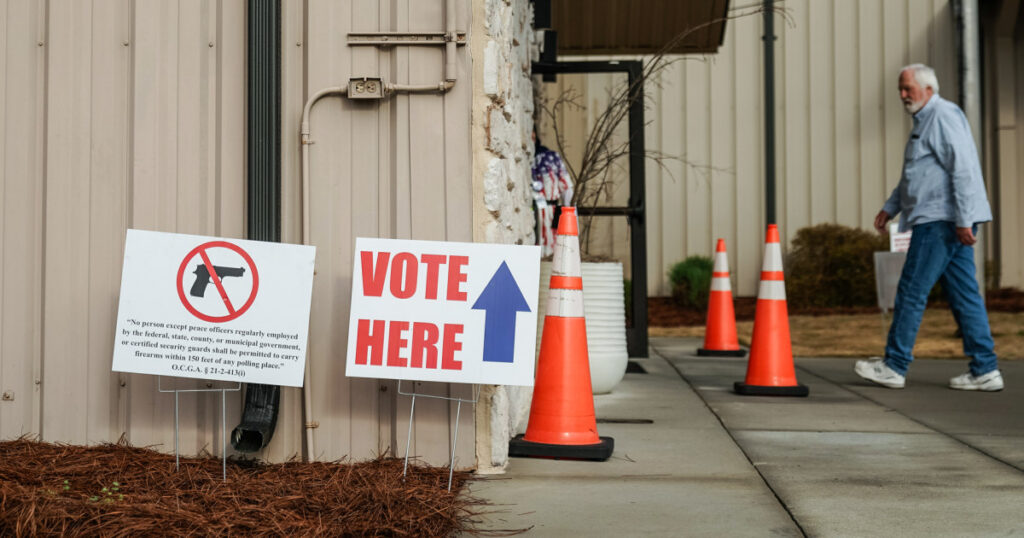
In April, several key elections—including special congressional races in Georgia and New Jersey, a Wisconsin Supreme Court contest, and a Virginia redistricting referendum—will test party strengths and influence the U.S. political landscape. Meanwhile, the Department of Homeland Security remains partially shut down due to partisan disputes, with Senate Republicans and former President Trump clashing over funding tied to controversial voting legislation. These events highlight the ongoing challenges in bipartisan cooperation amid a highly polarized political environment.
Posts tagged as “4th U.S. Circuit Court of Appeal”
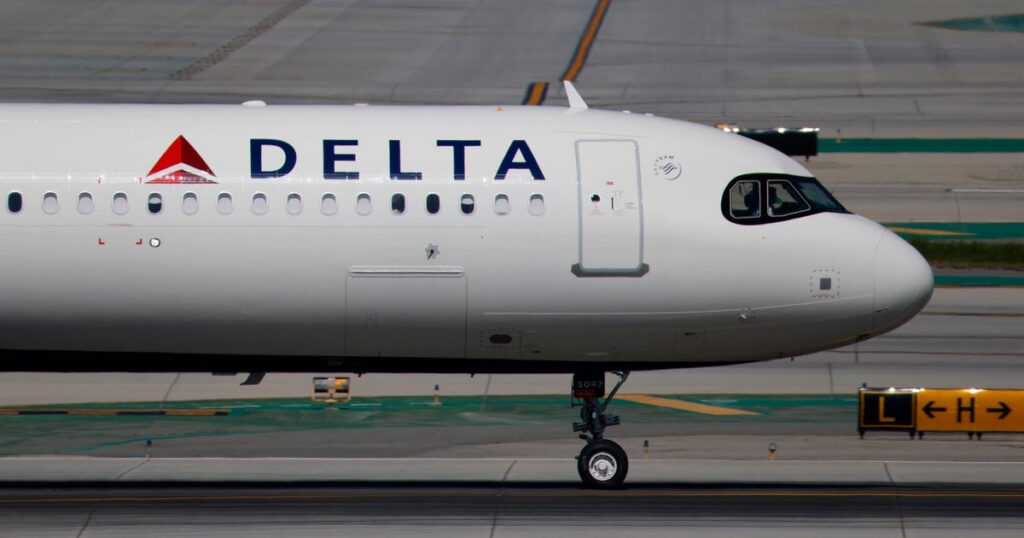
Delta Air Lines has temporarily suspended special services for members of Congress at airports due to operational challenges caused by the ongoing partial U.S. government shutdown and resulting TSA staffing shortages. The shutdown has led to severe workforce reductions, with many TSA employees working without pay and facing financial and mental health hardships, prompting criticism of temporary measures like deploying ICE agents to assist with security. Meanwhile, airlines and airport staff urge Congress to resolve the funding impasse soon, as the Senate nears a potential deal to restore Department of Homeland Security operations and ease widespread travel disruptions.

Robert Frazer, a veteran prosecutor with over 20 years in the New Jersey U.S. attorney’s office, has been appointed interim U.S. attorney, ending nearly a year of legal disputes and leadership turmoil following controversial interim appointments by former President Trump. The prolonged conflict involved court rulings that invalidated previous appointments and criticized the DOJ’s handling, which disrupted ongoing prosecutions and eroded trust in the office. Frazer’s appointment, supported by both political parties, aims to restore stability and refocus the office on its core mission of combating crime and protecting citizens’ rights.
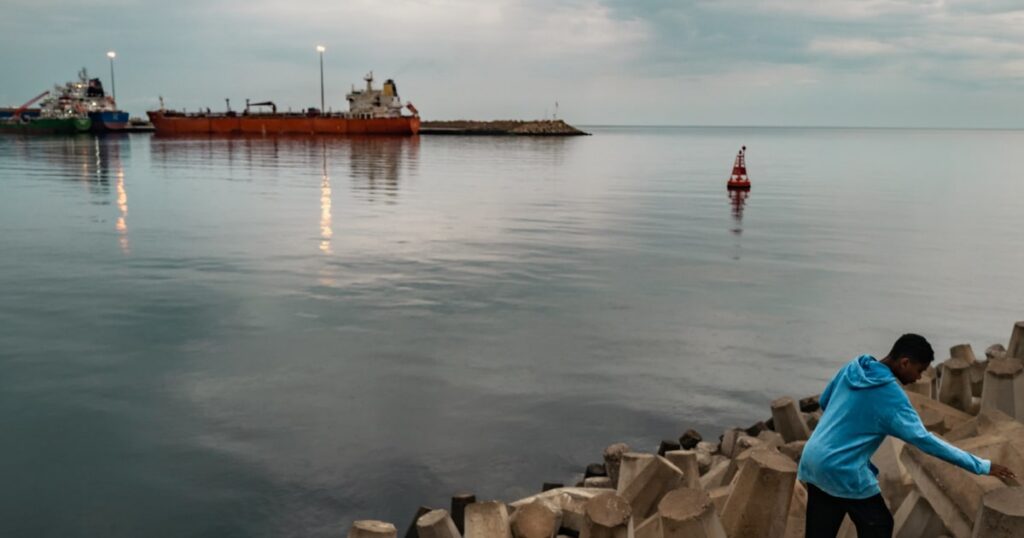
Amid escalating conflict between Iran and Israel following U.S. and Israeli strikes, diplomatic efforts involving indirect talks facilitated by Pakistan and other regional players have reportedly begun, though official confirmations remain pending. The war has caused over 2,000 deaths, displaced millions, and disrupted global energy markets, pushing Brent crude oil prices above $100 a barrel amid fears of supply shortages. Despite ongoing hostilities marked by missile strikes and air raids, U.S. President Donald Trump expressed cautious optimism about potential negotiations, while regional tensions and economic risks continue to mount.
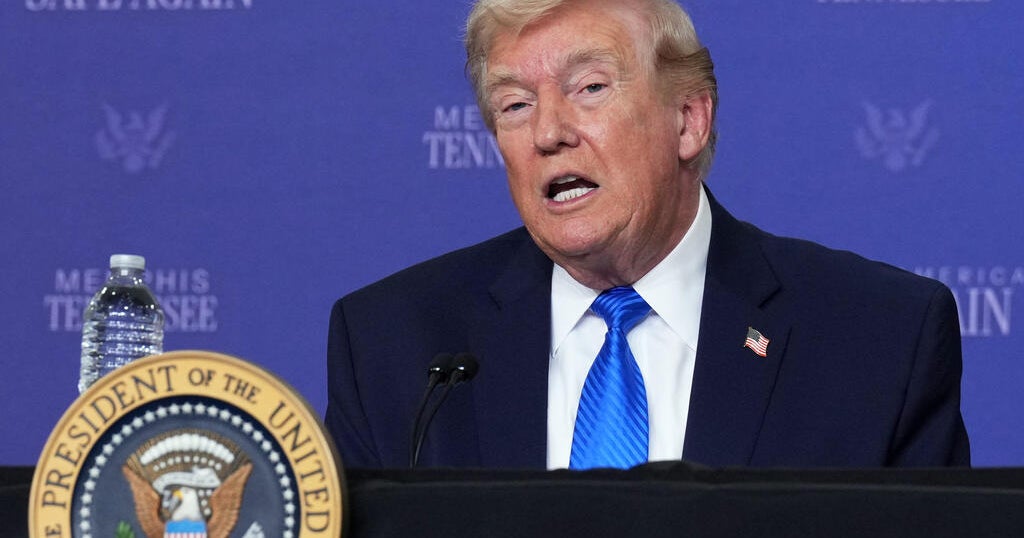
The United States has reportedly initiated indirect communications with Iran through mediators as preliminary steps toward potential negotiations, following President Trump’s remarks about possible agreements and a temporary military pause. Despite Iran’s initial denial of talks, both sides have identified points of agreement, raising hopes for de-escalation amid ongoing tensions and economic impacts such as fluctuating oil prices. However, key details of any deal remain unclear, including Iran’s nuclear intentions and the role of regional actors like Israel, while the U.S. explores incentives like releasing frozen assets to facilitate a resolution.
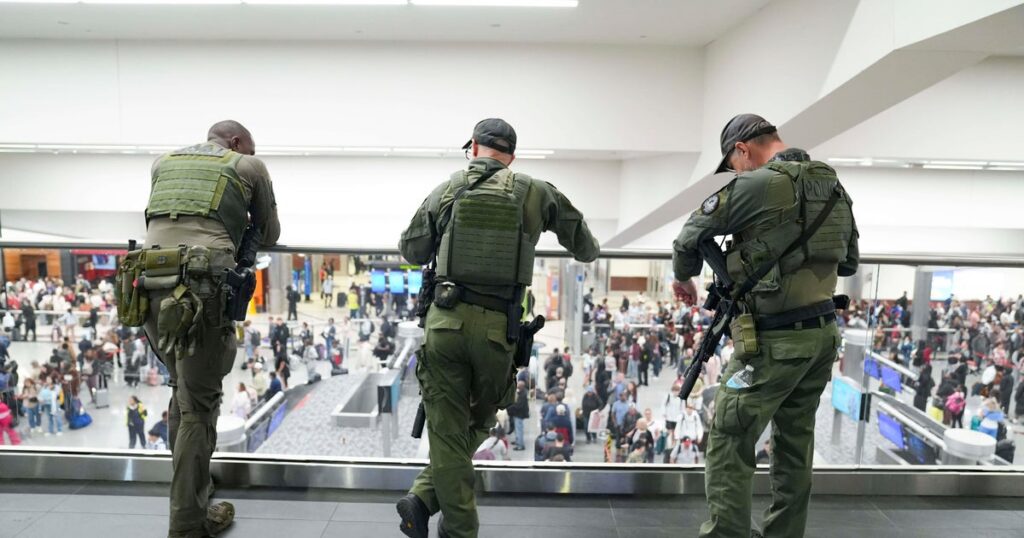
As the partial government shutdown extends into its third week, ICE agents have been deployed to 14 major U.S. airports to assist with crowd control amid severe TSA staffing shortages causing long security wait times. While ICE personnel support TSA officers by managing passenger flow, they are not trained to conduct security screenings, drawing criticism from TSA unions and civil rights groups concerned about safety and traveler anxiety. The deployment has heightened political tensions, with calls for Congress to restore TSA funding as airports continue to struggle under the strain of the shutdown.
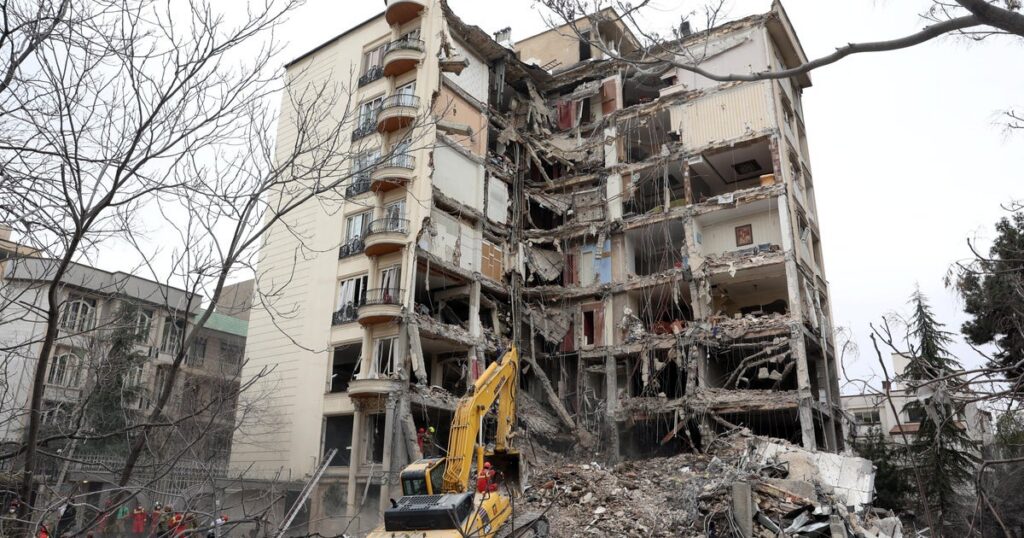
President Donald Trump announced a five-day postponement of planned airstrikes on Iran’s energy infrastructure, citing productive talks aimed at reopening the strategically vital Strait of Hormuz. While Trump claimed progress in negotiations, Iran denied any direct communication and viewed the delay as a tactic to lower energy prices and prepare militarily. The situation remains tense, with global energy prices surging and experts warning that the coming days will be crucial in determining whether diplomacy will de-escalate the conflict or if hostilities will intensify.
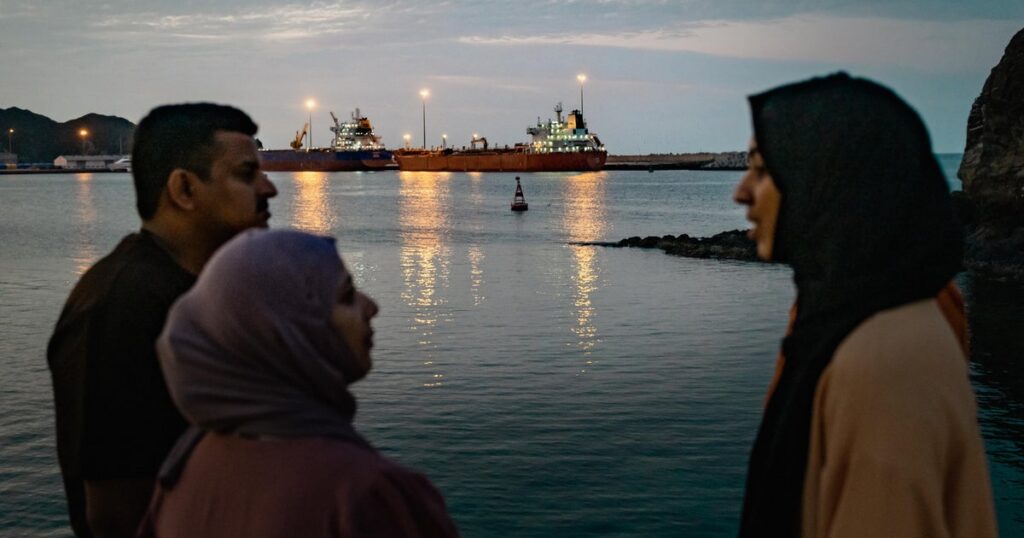
President Donald Trump postponed his ultimatum for Iran to reopen the Strait of Hormuz, citing ongoing "good and productive" negotiations amid escalating regional tensions and threats of military strikes. Iran denied direct talks with the U.S., accusing Washington of initiating the conflict and dismissing claims of missile attacks, while international markets reacted positively to the delay with rising stock futures and falling oil prices. The conflict has caused significant casualties in Iran, prompted internal crackdowns, and led to cautious diplomatic responses, with U.S. officials defending their hardline stance as necessary to de-escalate the situation.