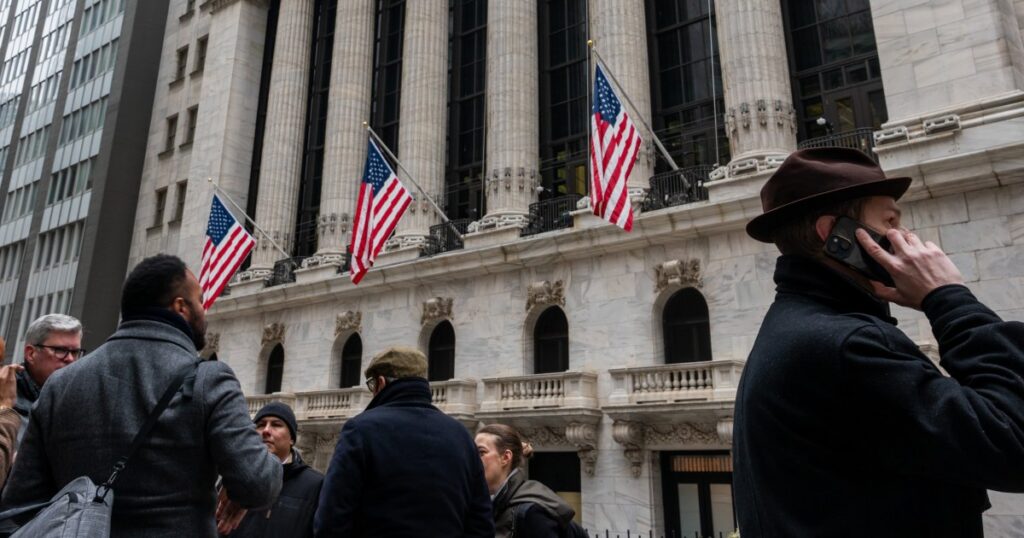
U.S. stock markets surged on Monday after President Donald Trump announced a five-day delay in military strikes on Iranian power plants, easing fears of immediate conflict amid tensions over the Strait of Hormuz. The announcement led to a sharp decline in oil prices, though crude remains significantly higher than pre-conflict levels, contributing to rising gasoline costs in the U.S. Despite the temporary de-escalation, Iranian officials rejected dialogue with Washington, maintaining a tense diplomatic standoff.
Posts tagged as “4th U.S. Circuit Court of Appeal”
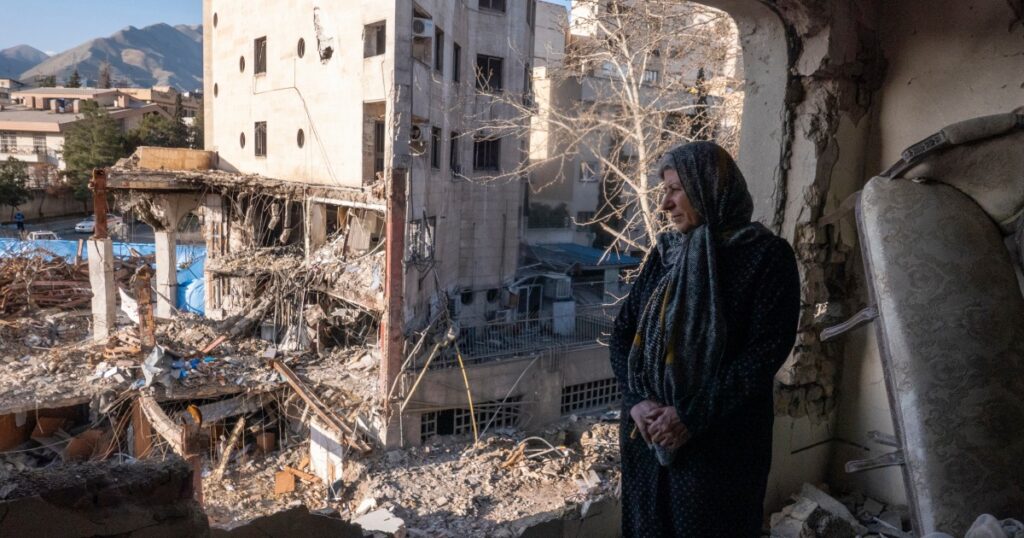
Tensions between the United States and Iran have sharply escalated over the closure of the strategic Strait of Hormuz, with the U.S. issuing an ultimatum threatening to target Iran’s energy infrastructure and Iran responding with warnings of retaliatory strikes on U.S. and Israeli assets. Military engagements have already occurred, causing significant disruptions to global oil supplies and surging prices, while international efforts to secure the strait face challenges due to Iran’s control over critical infrastructure through the IRGC. Experts warn that military action alone may not resolve the crisis and highlight the potential humanitarian risks of targeting energy infrastructure linked to civilian services, prompting calls for careful strategic decisions amid growing regional instability.
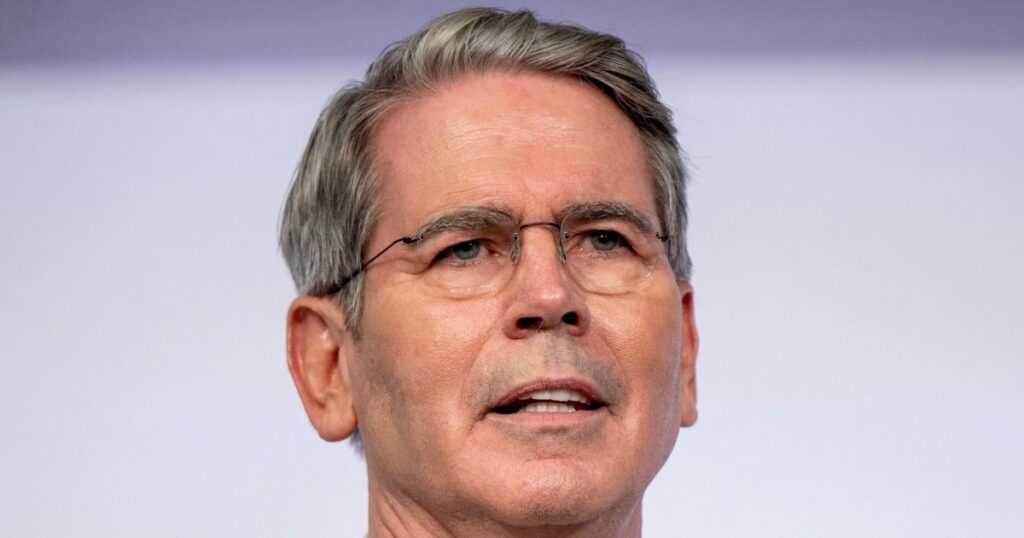
U.S. Treasury Secretary Scott Bessent defended recent U.S. military strikes on Iranian infrastructure as necessary escalations to de-escalate tensions, while also explaining the easing of sanctions to release Iranian oil onto global markets as a strategic move against Iran. Iran warned of retaliatory attacks on U.S. and allied infrastructure if its fuel and energy facilities were targeted, though the U.S. has so far avoided directly hitting Iran’s oil infrastructure. Meanwhile, growing political opposition in Congress criticized the administration for lack of authorization, transparency, and a clear strategy, calling for an end to the conflict.

Cuba experienced its second nationwide power outage in less than a week, attributed to the shutdown of a key power plant unit, marking the fourth major blackout in four months amid worsening living conditions and public protests. The Cuban government blames U.S. sanctions and an energy blockade for the crisis, which has disrupted vital oil supplies, particularly from Venezuela, and has prompted humanitarian aid deliveries. Amid escalating tensions and rhetoric of possible U.S. military intervention, Cuban officials emphasize vigilance, sovereignty, and rejection of regime change while hoping for a resumption of fuel supplies.
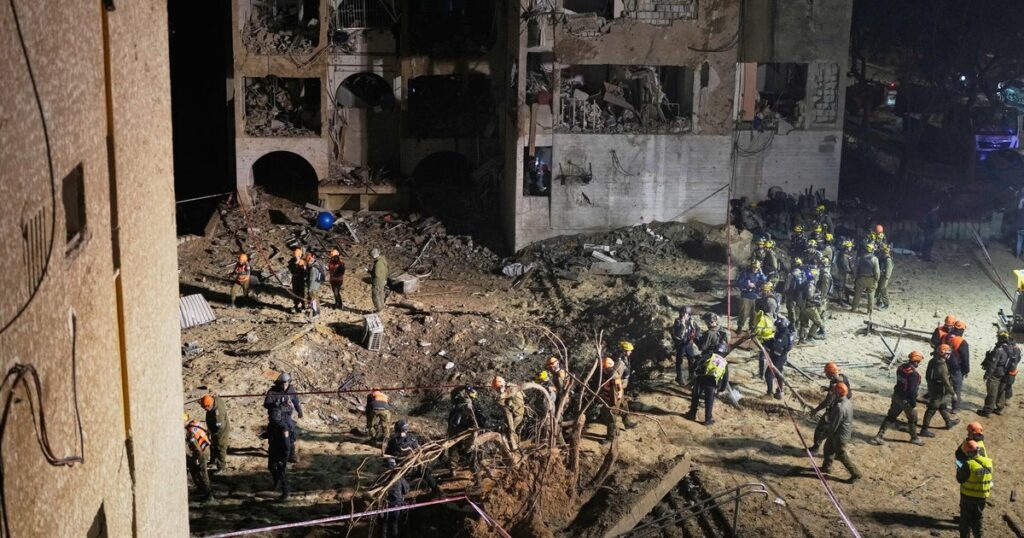
Iranian missile strikes targeted the Israeli towns of Dimona and Arad near the country’s main nuclear research center, injuring at least 90 people and causing significant damage. The attacks followed an airstrike on Iran’s Natanz nuclear facility and marked an escalation in the ongoing conflict, with Israeli officials condemning the strikes as reckless and strategically aimed at civilians. Meanwhile, U.S. intelligence testimony before Congress revealed differing objectives between the U.S. and Israel in the conflict and warned of potential broader regional impacts, including threats to U.S. forces and disruptions to global oil supplies.
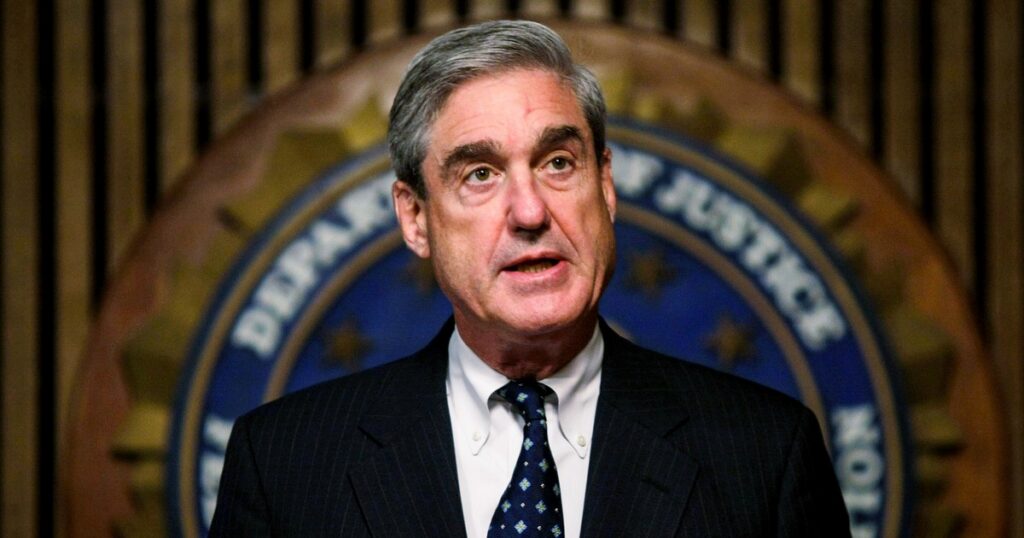
Robert Mueller, the former FBI director known for leading the investigation into Russian interference in the 2016 U.S. presidential election, has died at age 81. He served as FBI director from 2001 to 2013, transforming the bureau’s focus toward counterterrorism after 9/11, and later led a nearly two-year special counsel investigation that charged 34 individuals but did not establish conspiracy between the Trump campaign and Russia. Mueller was widely respected for his integrity, served as a Marine in Vietnam, and had been diagnosed with Parkinson’s disease before his death.

K-pop supergroup BTS reunited for their first concert in nearly four years at Seoul's historic Gwanghwamun Square, drawing tens of thousands of fans and marking a symbolic return after completing their mandatory military service. The performance featured traditional Korean elements, songs from their new album "Arirang," and global hits, and was live-streamed on Netflix to a worldwide audience. This concert launched BTS's extensive global tour, highlighting their enduring cultural impact and resilience.
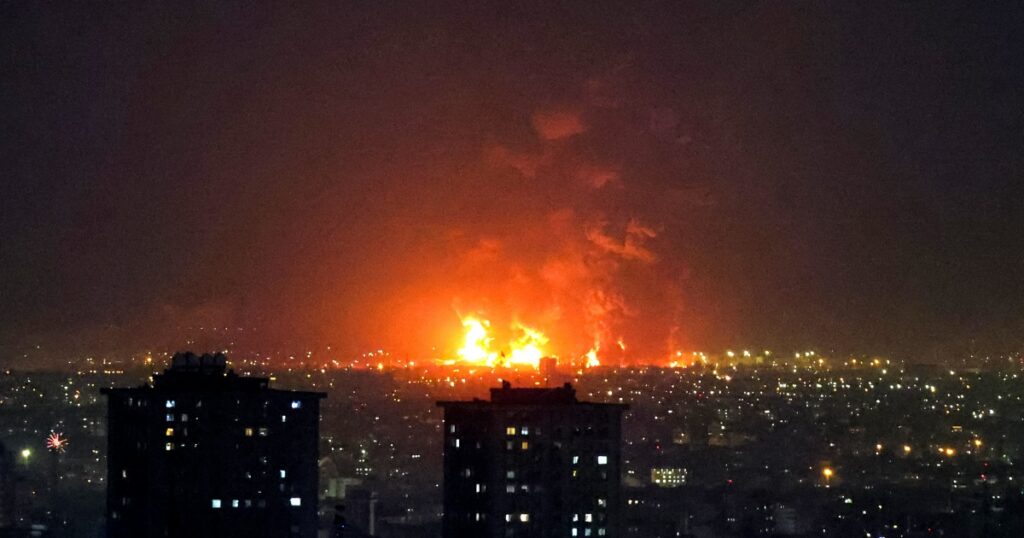
The U.S. Treasury Department has temporarily eased sanctions on Iranian oil shipments already at sea to help lower soaring global energy prices, allowing purchases of oil loaded before a specified deadline until April 19. This narrowly tailored move aims to increase supply without significantly benefiting Iran financially, marking a shift from previous maximum pressure policies amid ongoing tensions and geopolitical conflicts affecting oil markets. However, experts remain skeptical about the relief’s effectiveness, while high fuel costs continue to impact industries like aviation, prompting operational adjustments and discussions of increased security measures in critical shipping routes.